Sustainable Fashion
Wood-Fibre Windbreaker Wins Place on TIME Inventions List
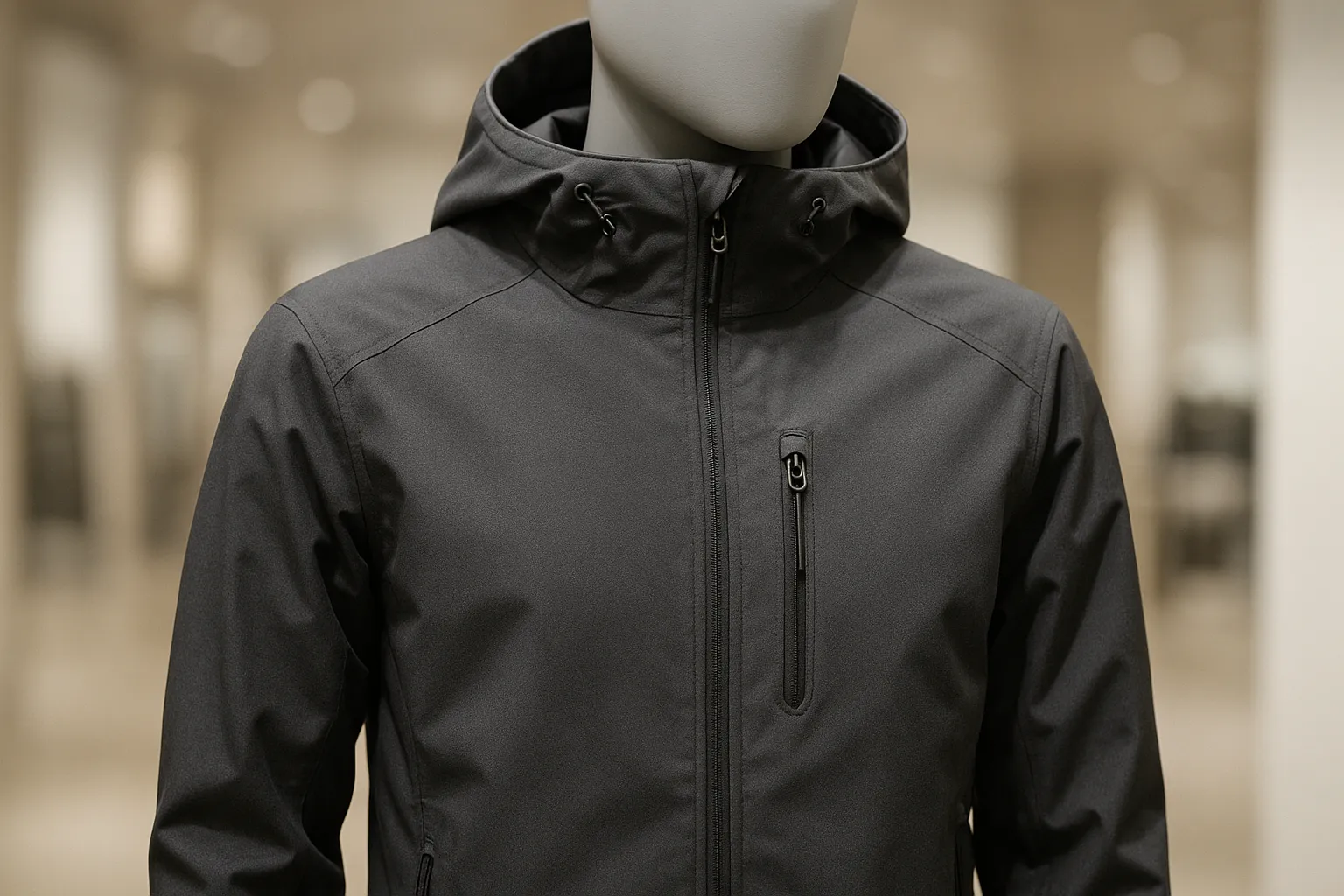
Armedangels' Tencel Lyocell windbreaker, built without PFAS or synthetic fibres, earns a spot on TIME's Best Inventions 2026 in outerwear.
A jacket built from trees rather than petroleum
Functional outerwear has long been one of fashion’s stubbornest problems. Rain shells, windbreakers and packable jackets are typically built on polyester or polyamide shells, held together with membranes and finished with chemical treatments that keep wind and water out. The German label Armedangels set out to test whether that formula could be broken, and the result has now been recognised on an international stage: its 100 per cent Tencel Lyocell windbreaker has been named on TIME’s Best Inventions 2026 list in the outerwear category.
According to the brand, this is the first windbreaker whose ripstop outer fabric is woven entirely from wood fibre, with no membrane, no synthetic fibres and no PFAS. The jacket launched in March as part of the spring/summer 2026 collection.
Why the recognition matters
Each year, the American magazine compiles 300 inventions judged on criteria including originality, effectiveness, ambition and impact. For the latest edition, nominations were sought from editors and correspondents around the world as well as through an open online application process. Landing a place in the outerwear category puts a fairly small Cologne-based brand alongside far larger players in performance clothing.
Founder and CEO Martin Höfeler framed the project as a direct challenge to the sector’s assumptions: for functional outerwear, the industry remains almost entirely dependent on polyester, polyamide and chemical finishes. The team therefore started with a simple question — whether a fabric made from wood could do what normally requires synthetic materials.
From certified wood to a dense ripstop
The jacket began in Cologne in 2007 with a brand that has spent years working on lower-impact materials. This particular project was developed together with the Lenzing Group, textile consultancy Montebelo and weaving mill Hermin Textile.
The raw material is Lenzing’s Tencel Lyocell, made from certified or controlled wood in a closed-loop process in which the solvent is recovered and reused. Lenzing states that this route needs at least 50 per cent less water and produces at least 50 per cent fewer CO₂e emissions than conventional unbranded lyocell, calculated according to ISO 14040/44 via Higg MSI 3.8.
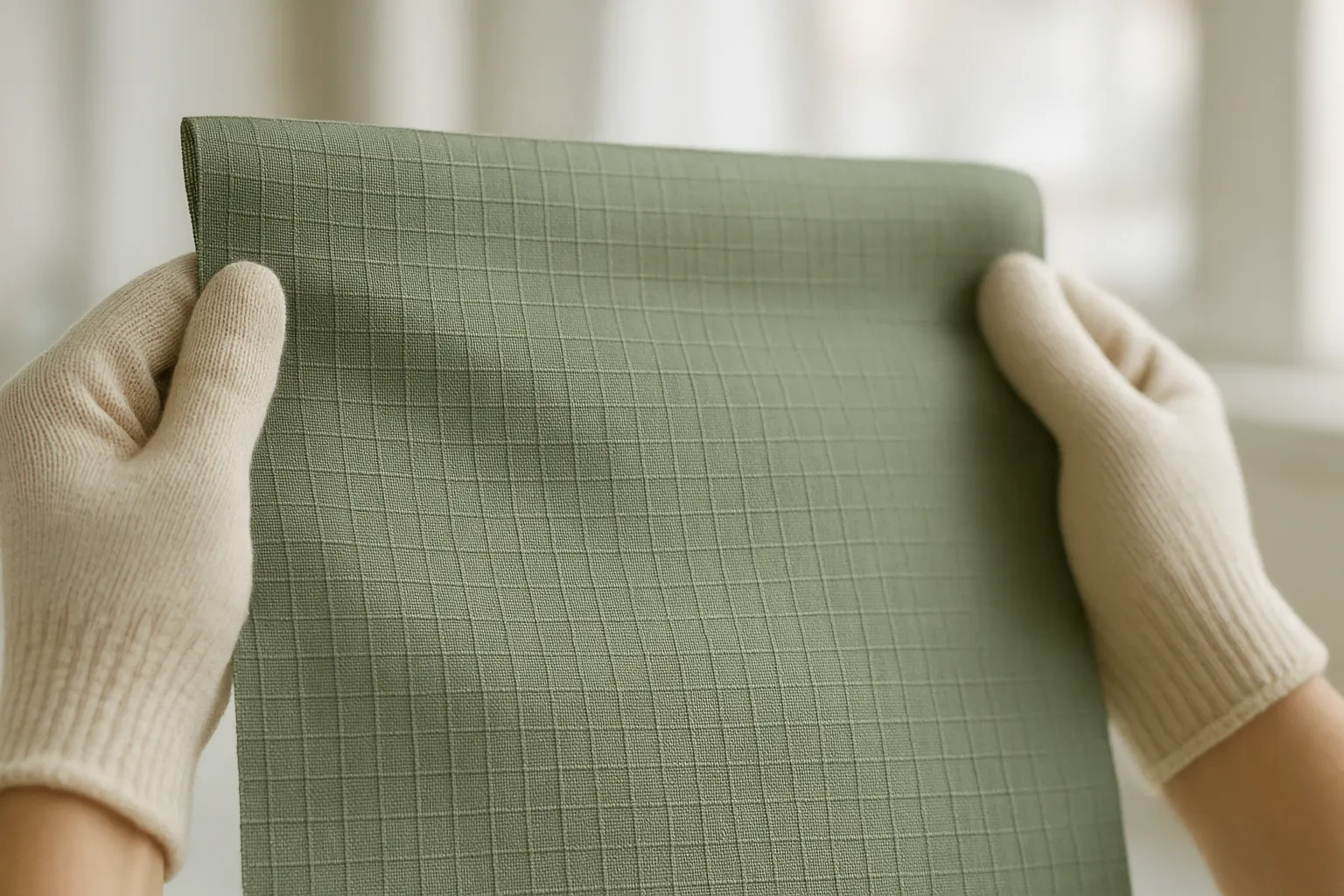
Those fibres are then spun into ultra-fine, high-strength yarns in Taiwan. Hermin Textile weaves them into a dense ripstop construction, the grid-reinforced weave familiar from technical outerwear. The woven fabric is subsequently densified permanently under pressure and heat — an approach borrowed from the way rock compacts under pressure. The brand reports wind resistance of up to 97 per cent as a result.
How the fabric handles weather
Lyocell has a useful behaviour in damp conditions: the fibres swell slightly when exposed to moisture, causing the fabric structure to close up. A PFC-free finish adds protection against light rain, so the jacket is lightly water-repellent but not waterproof. For a windbreaker intended for city wear and changeable spring days, that is a deliberate and honest set of limits rather than an overclaim.
Trimmings almost entirely free of plastic
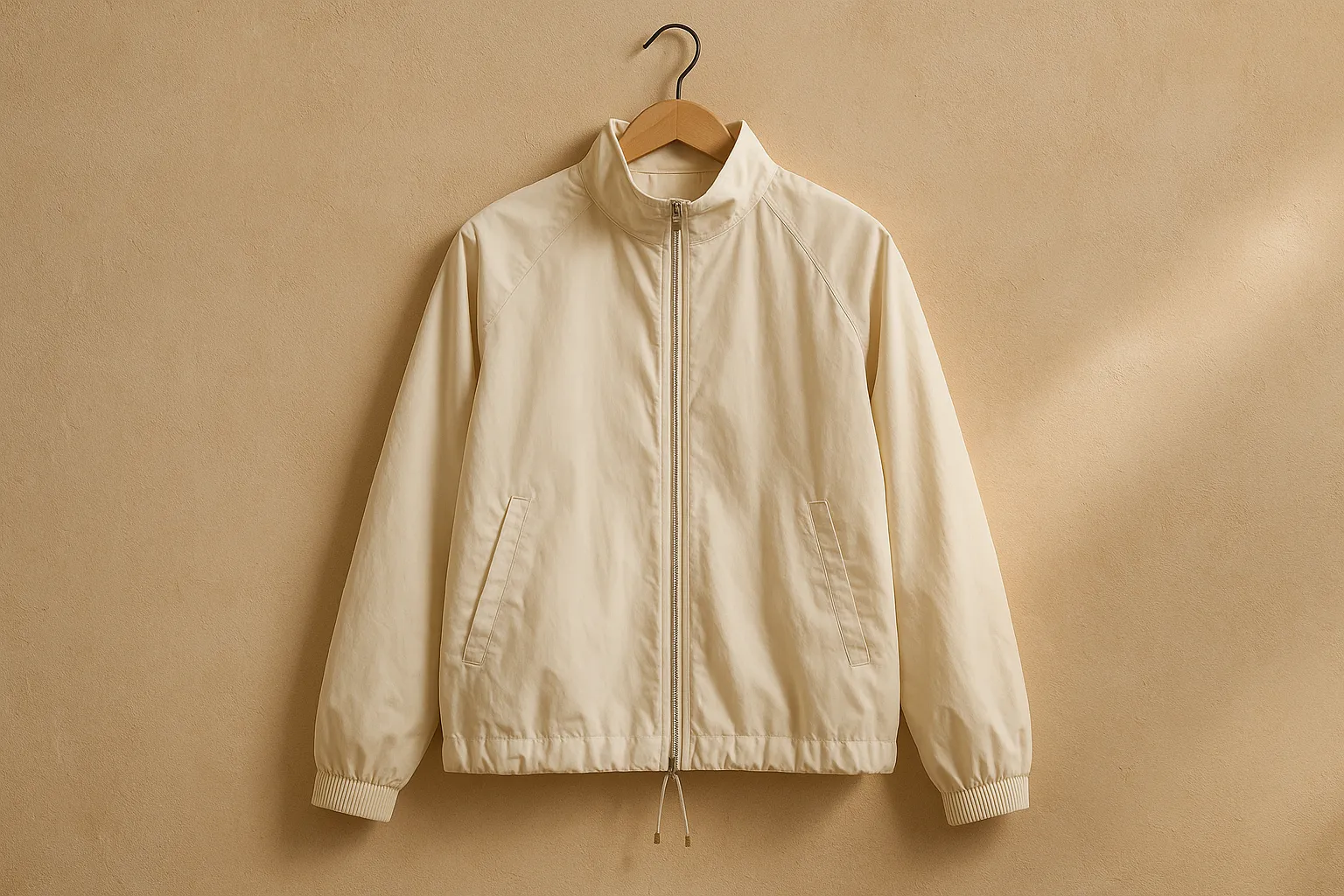
The shell is only half the story. Armedangels also reworked the components, and 99.9 per cent of the trimmings are non-synthetic and not petroleum-based. That includes a cotton zip tape with metal teeth, metal cord stoppers, cuffs made from cotton and natural rubber, and a water-based reflective print.
One small detail remains plastic: an end piece on the zip, for which a sufficiently sustainable alternative is not yet available. It is a minor component, but worth noting for anyone who wants the whole picture. Progress in this field tends to arrive with a handful of stubborn exceptions still attached.
Design, fit and availability
The windbreaker was designed digitally in CLO3D, which reduces the need for physical sampling during development. It has a gender-neutral fit and comes in three colourways.
A proof of concept, not a finishing line
Armedangels describes the jacket as a proof of concept: evidence that a wood-based fabric can meet functional outerwear requirements, and a foundation for developing more outerwear without synthetic fibres. Whether dense lyocell ripstop can scale to heavier shells or fully waterproof garments is a question for the next round of development, and the lack of a plastic-free zip end piece shows where supplier innovation still lags behind.
Still, the template is now on the table. Wood-based yarn, a dense mechanical weave, a PFC-free finish and natural rubber instead of elastane demonstrate that performance outerwear does not have to be built on fossil carbon by default — and that a question as plain as “can wood do this?” can carry a jacket onto an international inventions list.
What to look for next
The components that made this possible are becoming easier to specify: certified lyocell, dense ripstop weaving, mechanical densification instead of membranes, PFC-free finishes and metal-and-cotton hardware. For shoppers, the practical takeaway is to read the trim list as carefully as the fabric content, because a jacket is only as low-impact as its zip, cuffs and cord stops. For the industry, the challenge is to take each of those details from a one-off proof of concept to something any brand can order as standard.