Victoria's Secret
Victoria's Secret Bets on Kylie Jenner and Creators
Kylie Jenner's Fantasy Bra moment shows Victoria's Secret is buying conversation, not followers, as creator-led marketing reshapes the lingerie brand.
When the Fantasy Bra became a media strategy
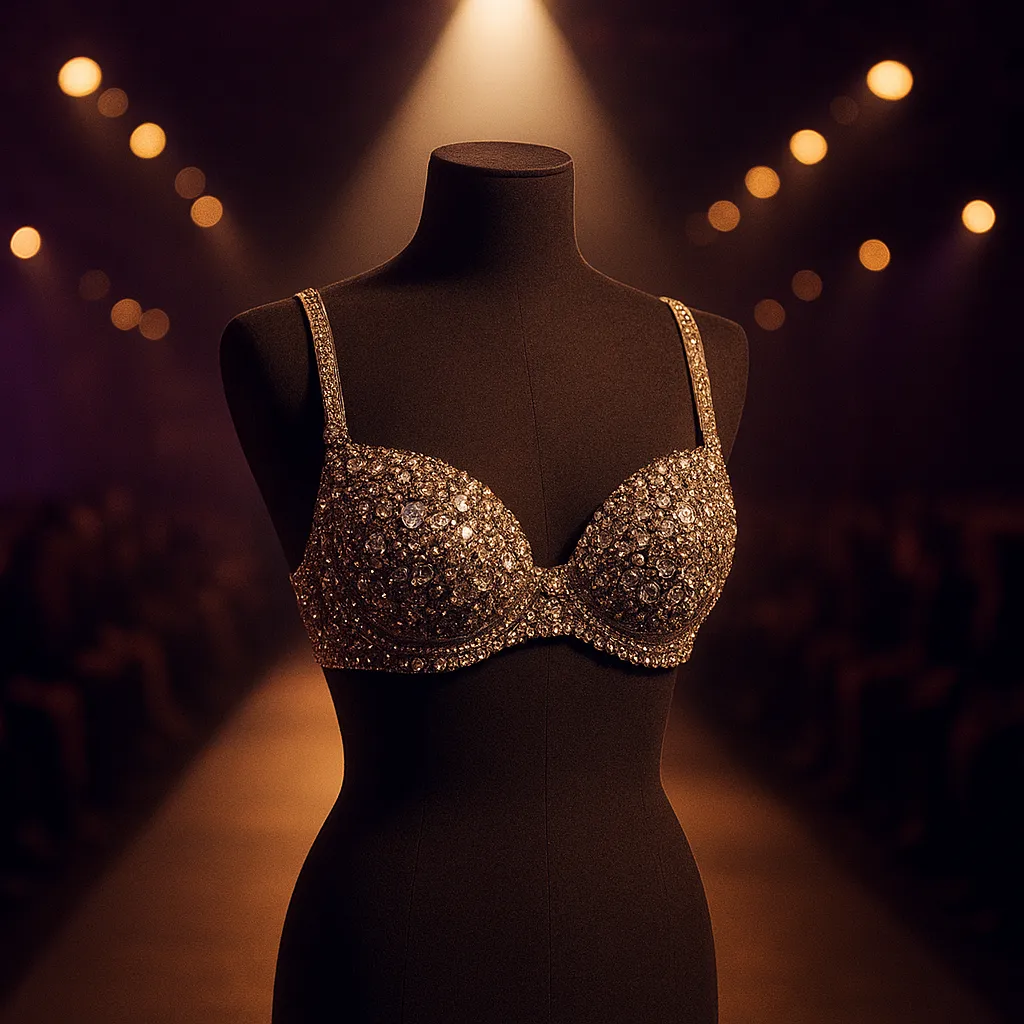
Victoria’s Secret has long treated its Fantasy Bra as the ultimate accolade, a bejewelled garment reserved for the Angels who had spent years building a career on its runway. This year the honour went to a newcomer with no modelling tenure at all: Kylie Jenner, the reality television star and founder of Kylie Cosmetics, who made a surprise appearance at the brand’s Los Angeles show on 18 October.
The choice was not about couture credentials. Within a week, conversations centred on Jenner generated 129.4 million US dollars in media impact value (MIV) for Victoria’s Secret, according to data from Launchmetrics. Jacob & Co., the American jewellery house that created the 50 million dollar bra with the brand, picked up 18.5 million dollars in MIV of its own.
The smallest number tells the biggest story
For all the headline figures, the most revealing statistic is the modest one. Jenner’s best-performing Instagram post generated 2.1 million dollars, less than 2 per cent of the total. The value did not flow from her own channels but from the coverage and commentary her appearance provoked. In practice, casting her was a media decision dressed as a casting decision.
Victoria’s Secret chief creative officer Adam Selman made that logic plain, calling Jenner “an unexpected talent who has a massive following and massive cultural impact”. She has around 381 million Instagram followers, yet the Launchmetrics breakdown shows the larger return came from what other people said about her.
That pattern is consistent with wider research from Launchmetrics, which found that 77 per cent of the MIV generated by brand ambassadorships comes from the conversations surrounding the ambassador. During fashion’s biggest moments, media voices still drive an average of 70 per cent of total MIV.
No broadcaster, so reach must be earned
The stakes are higher now that the show has no traditional broadcaster. This year it streamed free on YouTube, Instagram and TikTok, which meant reach had to be earned rather than bought through a television slot. Peak viewership across livestreams reached 3.64 million, up 32.9 per cent on 2025, according to Streams Charts.
Heritage names meet new faces
The casting was a deliberate blend of career models and newcomers from outside the fashion world. Rosie Huntington-Whiteley made her first Victoria’s Secret appearance in 16 years, and veteran Angels including Adriana Lima, Candice Swanepoel and Alessandra Ambrosio walked alongside newcomers such as Washington Spirit footballer Trinity Rodman and Solange Omon, winner of the brand’s open casting series ‘Angels Among Us’.
Beneath the cast sits a creator base. The VS & Pink Creator Program has more than 16,000 members, ranging from loyal customers to established influencers, and ‘Angels Among Us’ drew more than 100,000 social media applicants and over 1.7 billion impressions, according to the company.
The cost to prestige
The trade-off is prestige. Comments calling Jenner’s casting disrespectful to professional models drew thousands of likes on the brand’s Instagram, a reminder that an honour handed out for reach rather than tenure can dilute what made it valuable in the first place. The Fantasy Bra was once a symbol of a long career; this year it became a conversation starter.
A wider shift in marketing budgets
Victoria’s Secret is following the money. US creator advertising spend is forecast to reach 44 billion dollars in 2026, more than three times the 2021 level and growing nearly four times faster than the media industry overall, according to the Interactive Advertising Bureau. British consumer goods group Unilever said in 2025 that it would put half of its media spend into social channels and work with 20 times more influencers.
Audiences, however, are moving away from the biggest names. In 2026 research by US youth insights firm YPulse, 73 per cent of 13 to 39-year-olds said they trust smaller creators more than big influencers, and 62 per cent said they are tired of seeing the same big names everywhere.
Sales, not just impressions
Since chief executive officer Hillary Super took charge in September 2024, the company has paired bigger marketing moments such as the show with a sharper focus on bras and fewer promotions. The first quarter of 2026 marked a fourth consecutive quarter of comparable sales growth, with net sales up 15 per cent, followed by a 10 per cent rise to 1.61 billion dollars in the second quarter.
Analysts at American bank Bank of America who visited a Los Angeles store after this year’s show reported frequent sell-outs of Fashion Show merchandise. The quarter that includes the show has yet to be reported.
The Fantasy Bra once crowned a long career on the Victoria’s Secret runway. This year it served a different purpose: starting a conversation that heritage Angels, a celebrity and thousands of creators could carry far beyond the show itself. The Angels are still there, but the audience now has a part to play too.