Uniqlo
Uniqlo's US Strategy: LifeWear and Localised Growth
Uniqlo's US expansion balances LifeWear basics with localised campaigns and regional flagships, targeting secondary markets and digital growth.
Uniqlo’s US Strategy: LifeWear and Localised Growth
Uniqlo, the Japanese retail giant, is making bold moves in the United States, blending its signature LifeWear philosophy with a targeted approach to regional expansion. At the helm of its North American marketing efforts is Nico Cessot, who recently shared insights into the company’s aggressive brick-and-mortar and digital scaling strategy. For retail strategists and brand directors, Uniqlo’s playbook offers valuable lessons in balancing global consistency with local relevance.
The LifeWear Model: Low SKUs, High Volume
At its core, Uniqlo’s success lies in its LifeWear concept: everyday essentials that are high-quality, functional, and affordable. Unlike fast-fashion competitors that churn out thousands of trend-driven styles each season, Uniqlo focuses on a limited number of SKUs (stock-keeping units) per category, driving volume through timeless basics. This low-SKU, high-volume model allows for efficient inventory turnover and economies of scale, crucial for maintaining margins in a competitive market.
In the US, this approach is particularly advantageous. American consumers are increasingly value-conscious amid inflationary pressures, and Uniqlo’s promise of durable, well-made basics at accessible price points resonates. By keeping its assortment tight, Uniqlo can also react quickly to demand shifts, reducing the risk of markdowns and overstock—a common pitfall in the apparel industry.
Localised Marketing Campaigns
While the product range remains consistent globally, Uniqlo tailors its marketing to local tastes and cultural moments. Cessot emphasised that the company doesn’t rely on a one-size-fits-all approach. Instead, it develops regional campaigns that speak to the specific communities it serves.
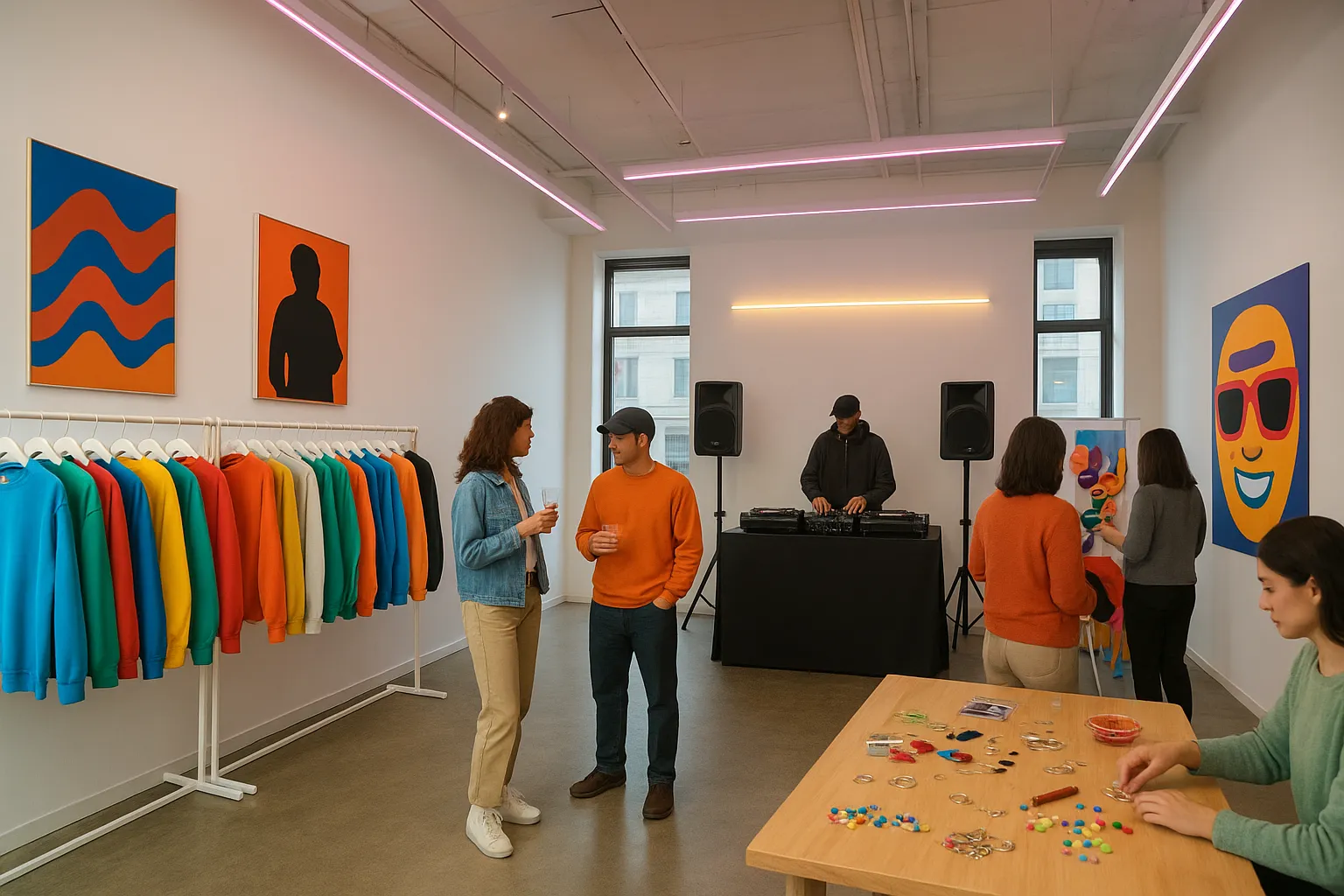
For example, in the US, Uniqlo has partnered with local artists and influencers to create buzz around store openings and product launches. It also leverages area-specific events, such as university collaborations or city festivals, to deepen its connection with consumers. This localisation extends to store design and merchandising: flagship locations in cities like Chicago or Houston might feature layouts and product selections curated for the local climate and lifestyle.
This strategy is particularly important as Uniqlo expands beyond traditional coastal hubs like New York and San Francisco. By investing in secondary markets, the brand taps into underserved areas where competition may be less intense and real estate costs more manageable. However, success in these regions requires a nuanced understanding of local consumer behaviour, which Uniqlo achieves through data-driven insights and community engagement.
Regional Flagships as Brand Beacons
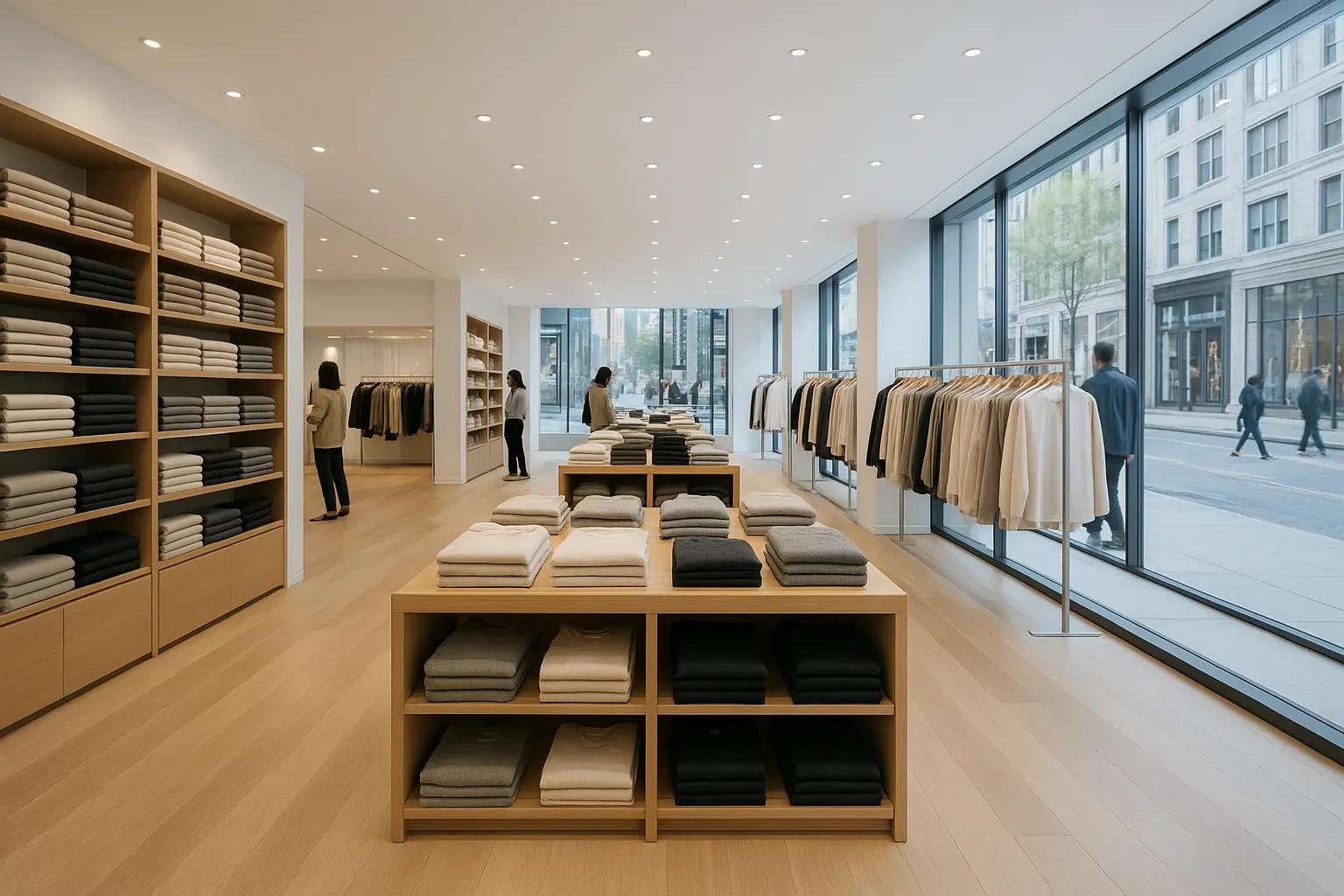
Uniqlo’s brick-and-mortar expansion is not just about opening more stores; it’s about creating destinations. The company has been strategically opening large-format flagship stores in key regional cities, positioning them as brand beacons that showcase the full LifeWear range and foster community.
These flagships often incorporate unique elements, such as in-store alterations, collaboration pop-ups, or even coffee bars, turning shopping into an experience. They serve as hubs for local events and can drive online sales in surrounding areas through increased brand awareness. For retail strategists, this omnichannel approach—using physical stores to amplify digital presence—is a blueprint for modern retail success.
Navigating Inventory Turnover and Loyalty
One of the operational challenges Uniqlo faces in the US is managing inventory turnover across a vast geography. With a low-SKU model, the stakes are high: if a particular item doesn’t sell, it can lead to missed opportunities. To mitigate this, Uniqlo employs advanced analytics to forecast demand and optimise stock allocation. It also uses its digital channels to drive traffic to stores and vice versa, creating a seamless customer journey.
Retaining consumer loyalty amid macro-inflationary pressure is another priority. Uniqlo’s value proposition—quality basics at fair prices—helps, but the brand also fosters loyalty through its app and membership program, which offers exclusive promotions and early access to collaborations. By integrating online and offline data, Uniqlo can personalise offers and communications, encouraging repeat purchases.
Lessons for Retail Strategists
Uniqlo’s US strategy offers several takeaways for merchandisers and brand directors:
- Focus on core competencies: A tight, high-quality assortment can outperform a broad, trend-driven one.
- Localise where it matters: Marketing and store experiences should reflect regional culture, even if the product is global.
- Use flagships as brand amplifiers: Large-format stores can serve as community hubs and drive omnichannel growth.
- Invest in data and analytics: Efficient inventory management and personalised marketing are non-negotiable.
- Build loyalty beyond price: Value, convenience, and community can create sticky customers even in tough economic times.
As Uniqlo continues its US expansion, its ability to balance global efficiency with local relevance will determine its long-term success. For brands looking to scale in competitive markets, the Uniqlo model provides a compelling case study in strategic growth.