True Religion
True Religion's D2C Pivot and Its Billion-Dollar Ambition
True Religion is targeting $1 billion in sales within five years, with e-commerce and a bigger store estate driving growth beyond its denim heritage.
A brand once defined by premium denim is now writing a very different growth story. True Religion, known in the 2000s for contrast-stitched jeans that sold for hundreds of dollars in department stores, has moved well beyond its starting point. Sportswear and accessories now account for more than half of its product range, and its chief executive, Michael Buckley, has stopped describing the company as a denim label.
“True Religion is an authentic and accessible lifestyle apparel brand born from denim,” Buckley explains. That repositioning is paying off: the business expects revenue of $550 million this year, up from $470 million in 2025, and is setting its sights on $1 billion in sales within five years.
The plan, as Buckley frames it, is straightforward: deepen the core US business, broaden the assortment, strengthen both wholesale and direct-to-consumer, and be present wherever customers are shopping. For him, the billion-dollar target is the latest milestone in a long relationship with the company. He first arrived in 2006, when its jeans were priced between $300 and $500 at luxury retailers, and he returned as chief executive in November 2019.
In the intervening years, Buckley ran Robert Graham Designs from 2011 to 2016, overseeing its sale to Differential Brands Group for $180 million, and then led Differential — owner of Hudson Jeans, Robert Graham and Swims — between 2016 and 2018. Earlier roles included leadership positions at Diesel Jeans.
Recognisable codes, a different business model
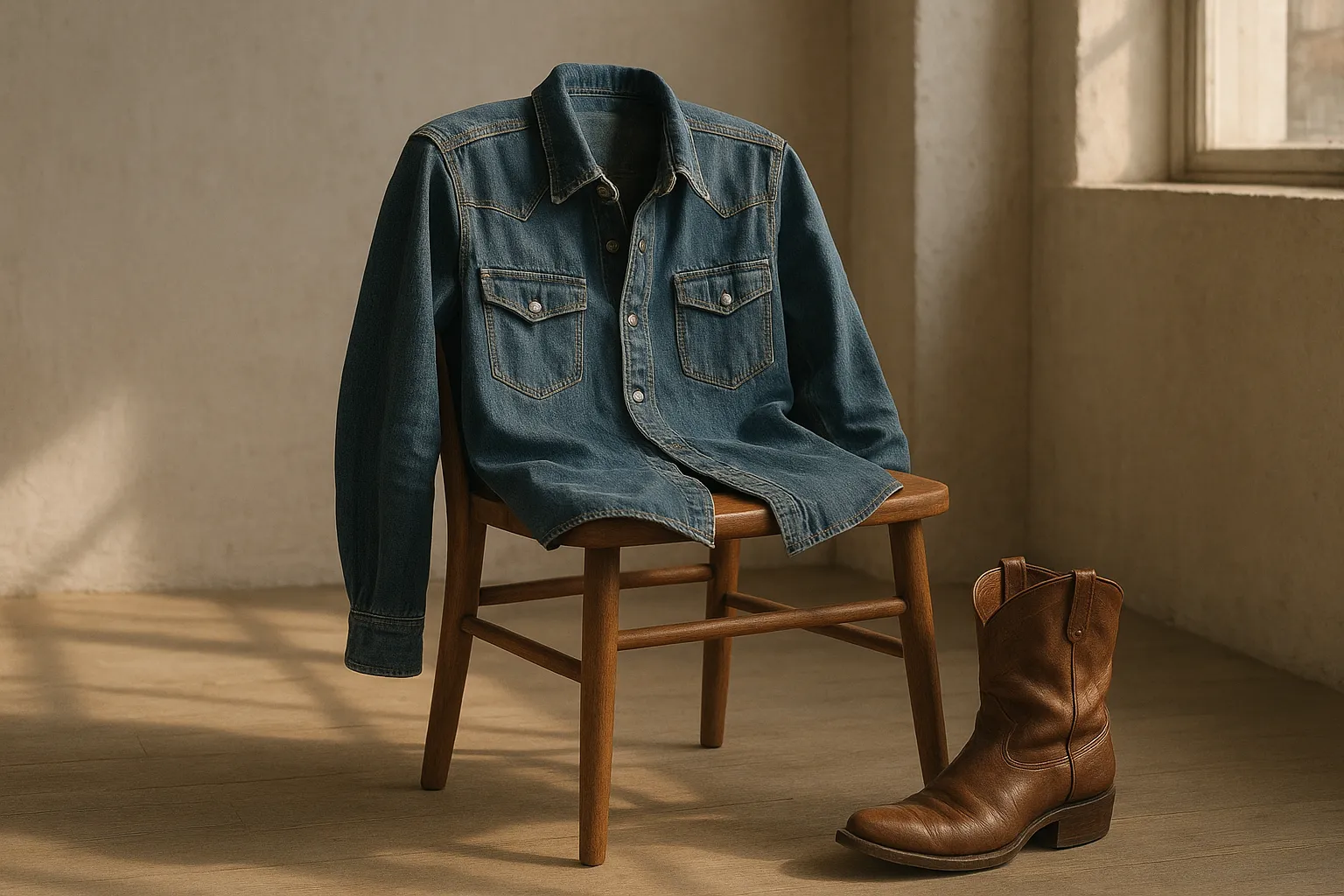
Looking back to his first spell, Buckley says the brand’s jeans were instantly identifiable thanks to their signature stitching, horseshoe logo and fit. “It taught me that a great brand has to stand for something unmistakable,” he says. Coming back taught him something else: heritage is not a reason to preserve a business model that no longer works. The customer base, product range and distribution have all widened, he argues, while the DNA that makes the brand recognisable has stayed put.
His first step after returning was research. He wanted to understand who was actually buying the product, and the findings reshaped decisions on pricing, distribution, merchandising, marketing and communications. Rather than hunting for a new audience, the focus shifted to serving the loyal, culturally influential customer who had been there all along.
E-commerce and stores as twin engines
Two channels sit at the centre of the growth plan. The first is digital: e-commerce is expected to account for roughly $200 million of this year’s revenue, and in May the company brought in Andrew Rauch, previously with Foot Locker and Urban Outfitters, to scale the online business. Buckley has said the brand’s own website should represent 40 to 50 per cent of total revenue.
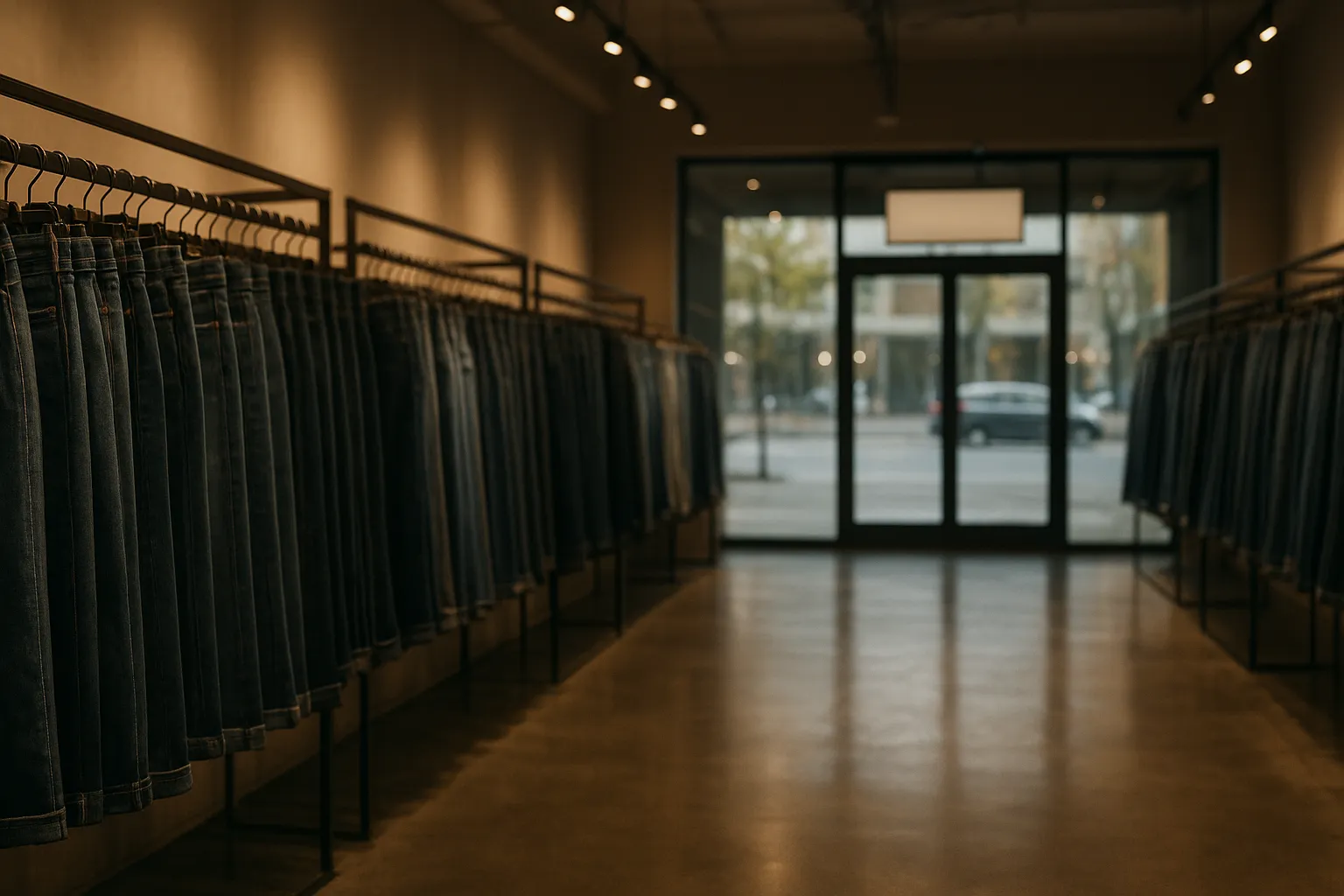
The second is physical retail. True Religion currently operates more than 60 stores across the United States and is working towards a goal of 150 or more. Buckley is a firm believer that stores offer something digital cannot fully replicate: discovery, fit, community and experience. The strength of an omnichannel model, he argues, is that each channel reinforces the others — someone might first encounter the brand on social media, engage with it online, visit a shop to try things on in person, and then return to the website to buy.

Wholesale, marketplaces and future demand
Beyond its own doors and website, the company intends to supply more product to wholesale partners, including off-price accounts, and it joined TikTok Shop in September. Asked whether future growth will come chiefly from international markets, new categories or new channels, Buckley insists there is meaningful opportunity in all three, with priority going to wherever consumer demand is strongest. He points to a total addressable market of 110 million people and intends to double, perhaps triple, the number of people shopping the brand over time.
Denim remains part of the identity, even if it no longer defines the entire range. It is, Buckley says, where the craftsmanship, stitching and some of the most recognisable brand codes originated.
The growth stands out against a sluggish US denim market. Category leader Levi Strauss & Co. lifted third-quarter revenue 4.3 per cent to $1.61 billion, but its US business slipped 1 per cent on a reported basis — a contrast that highlights how a broader lifestyle assortment can outpace a category still tied to a single product type.
One playbook, applied repeatedly
Buckley describes the same method at Robert Graham, at Differential and now at True Religion. First, understand who is actually buying the product. Second, protect what makes the brand distinctive. Then ensure that product, price, distribution, inventory, marketing and channel strategy all reflect the consumer being served. “That philosophy has been remarkably consistent throughout my career,” he says.
The approach was visible during New York Fashion Week in September, when the brand held a retail event on 9 September and an invite-only evening, “That Was Then, This Is Now”, at Flyfish on 13 September. Fashion week, as Buckley sees it, is about placing the brand where its consumer actually experiences fashion — in retail, in music, in nightlife and in culture.
As for his legacy, he prefers to look forward. Positioning a brand with extraordinary heritage, strong cultural relevance and a deeply loyal community for decades of continued relevance and growth is, he says, among the contributions he is most proud to make.