Timberland
Timberland and Marcolin Extend Eyewear Licence to 2031
Marcolin and Timberland renew their eyewear licensing deal for a further five years, taking the partnership to 2031 and expanding sunglasses and optical frames worldwide.
A Partnership Built to Last
Marcolin and Tbl Licensing Llc have renewed the multi-year licensing agreement covering the design, production and worldwide distribution of Timberland branded sunglasses and optical frames. The extension adds a further five years to the arrangement, moving the expiry date to 2031 and continuing a working relationship that first began in 2003.
For anyone who follows the eyewear sector, the news is less a surprise than a confirmation. Two decades of collaboration is a long run in an industry where licences often change hands, and the decision to extend rather than renegotiate from scratch signals that both sides see continued value in the pairing.
What the Extension Covers
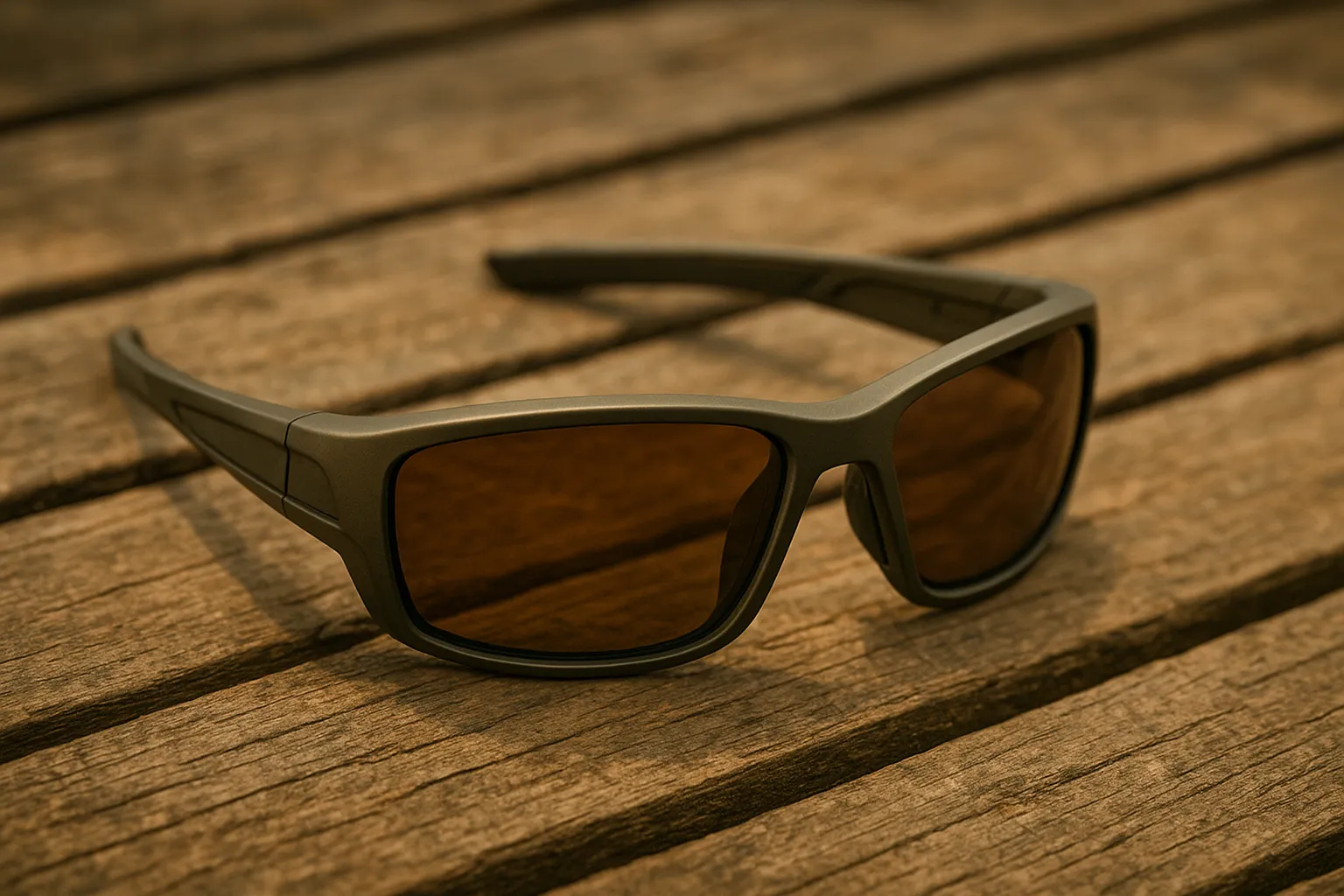
The renewed agreement spans the full eyewear offer: sunglasses built for outdoor wear and optical frames designed for everyday prescription use. Under its terms, Marcolin takes responsibility for design, manufacturing and global distribution, while Tbl Licensing Llc retains oversight of how the Timberland name is expressed across the category.
Distribution Reach
Marcolin’s network gives the collections a broad footprint. Timberland eyewear reaches consumers through several distinct routes:
- Timberland monobrand boutiques, where the frames sit alongside the brand’s footwear and apparel
- Specialist opticians, the traditional backbone of the prescription eyewear market
- Independent points of sale, which carry curated selections in many regional markets
- E-commerce channels, increasingly important for sunglasses in particular
Taken together, these channels allow the line to appear both where shoppers go specifically to buy glasses and where they encounter the brand incidentally while browsing other product categories.
Design Language and Materials
The collections are not generic frames with a logo attached. Stylistic elements drawn from Timberland’s heritage run through the range, keeping the eyewear visually consistent with the footwear and outdoor clothing that built the brand’s reputation.
Material choice plays a role here too. Bio-based materials feature in the collections, reflecting the wider shift across the eyewear industry towards lower-impact inputs. It is a practical alignment: outdoor consumers tend to notice what things are made from, and material stories travel well in a market where many frames look broadly similar on the shelf.
“The renewal of the agreement for a further five years confirms the solidity of the relationship and the common strategic vision that has long guided the partnership, with the aim of continuing to create value and strengthen the brand’s presence in the eyewear segment,” the two companies said in a joint statement.
Why This Matters for Marcolin
The deal fits a wider pattern in Marcolin’s approach. The company has been steadily consolidating its licensing portfolio in the optical and sun accessories space, adding and retaining brands that give it diversity across price points and consumer segments.
Licensing is a distinctive business model. A manufacturer invests in design and production capability, then converts brand equity owned by someone else into sellable product. Get it right and both parties gain: the brand owner reaches consumers in a category they do not operate themselves, while the licensee gains a recognisable name that shortens the path to a sale. Get it wrong and a mismatch of positioning or quality damages both reputations. Longevity, in this context, is a meaningful indicator.
The View from the Brand Side
For Tbl Licensing Llc, eyewear sits outside Timberland’s core activity of footwear and apparel, yet it performs an important role. Accessories extend a brand into moments where its main products are not in play — into the optician’s chair, into a holiday suitcase, into the checkout basket of an online shopper.
Eyewear is one of the more visible accessory categories for exactly this reason. Glasses are worn on the face. They are seen by everyone a person meets. A well-executed frame range keeps a brand present in daily life rather than confined to the shoe rack.
Looking Ahead to 2031
With the new expiry date fixed at 2031, the immediate work is less about negotiation and more about execution. That means keeping the design pipeline aligned with the brand’s heritage story, ensuring bio-based material commitments hold up as the range evolves, and making the most of distribution channels that differ sharply from one market to another.
The relationship now stretches across more than a quarter of a century. In licensing terms, that is close to an endorsement in itself — a signal to retailers, buyers and consumers that the Timberland eyewear line is not a temporary experiment but an established part of the brand’s offer.