Sustainable Fashion
Sustainable Fashion Shines at Blenheim Palace Show
Cherwell Collective's third annual Sustainable Fashion Show at Blenheim Palace diverted 85kg of waste, showcasing over 50 upcycled looks and highlighting circular design education.
A Palace of Possibility: Sustainable Fashion Takes Centre Stage
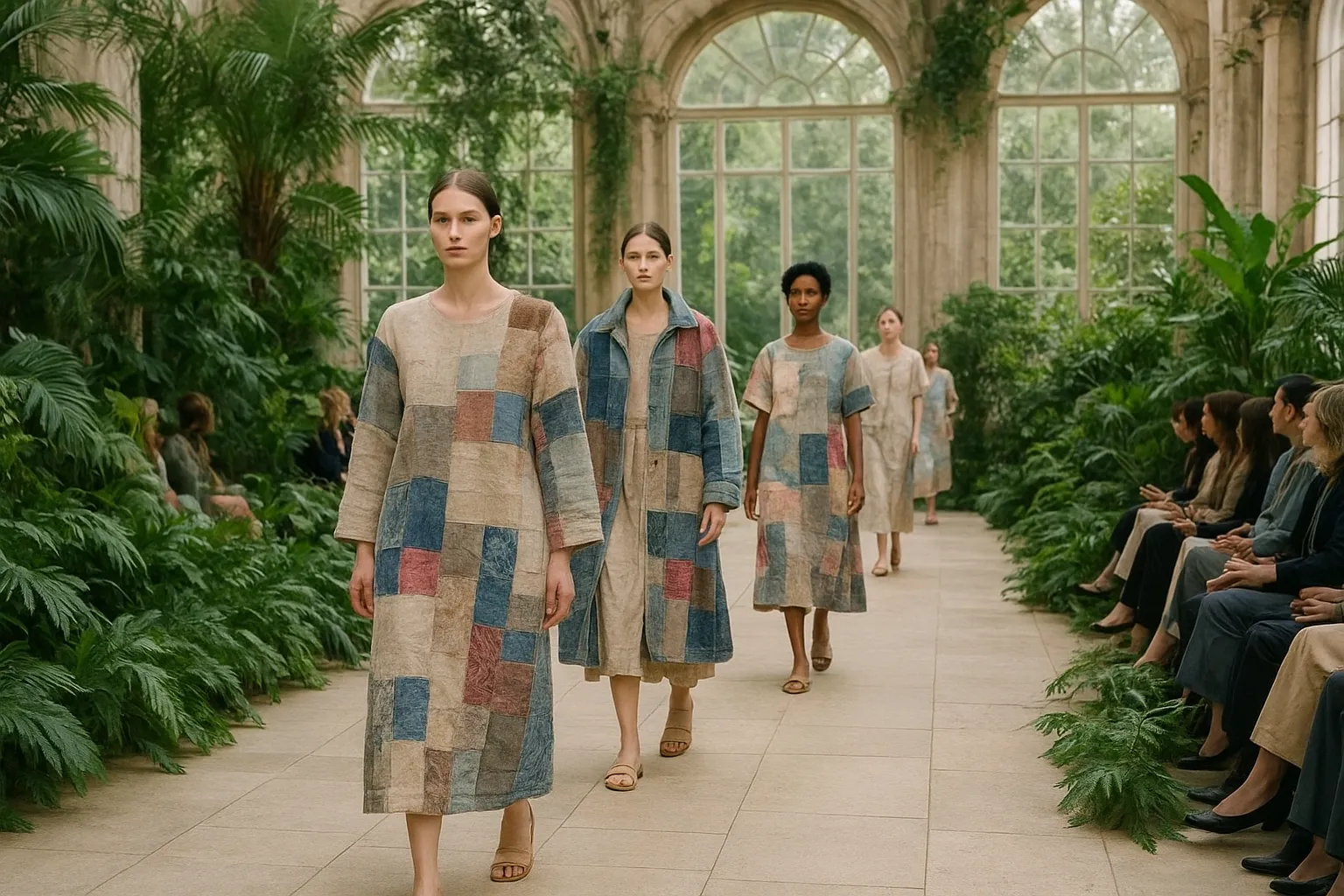
In the grandeur of the Orangery at Blenheim Palace, a quiet revolution unfolded on the runway. Over 50 looks, each constructed entirely from circular, upcycled, or sustainable materials, demonstrated that high fashion and environmental responsibility can share the same spotlight. This was the third annual Sustainable Fashion Show by Cherwell Collective, an Oxfordshire grassroots organisation that served as the local hub for Sustainable Fashion Week. The event was more than a display of creativity; it was a practical answer to the global textile waste crisis.
From Waste to Wardrobe: The Numbers Behind the Glamour
The statistics speak to a deeper purpose. By diverting more than 85 kilograms of waste from landfill, the show generated carbon savings equivalent to 6,500 car miles. These figures are not mere trivia; they represent tangible environmental gains achieved through conscious design choices. Over 20 models of diverse ages, sizes, and backgrounds walked the runway, reinforcing the message that sustainable fashion is for everyone. Inclusivity, like circularity, is a core principle.
Material Innovation on the Runway
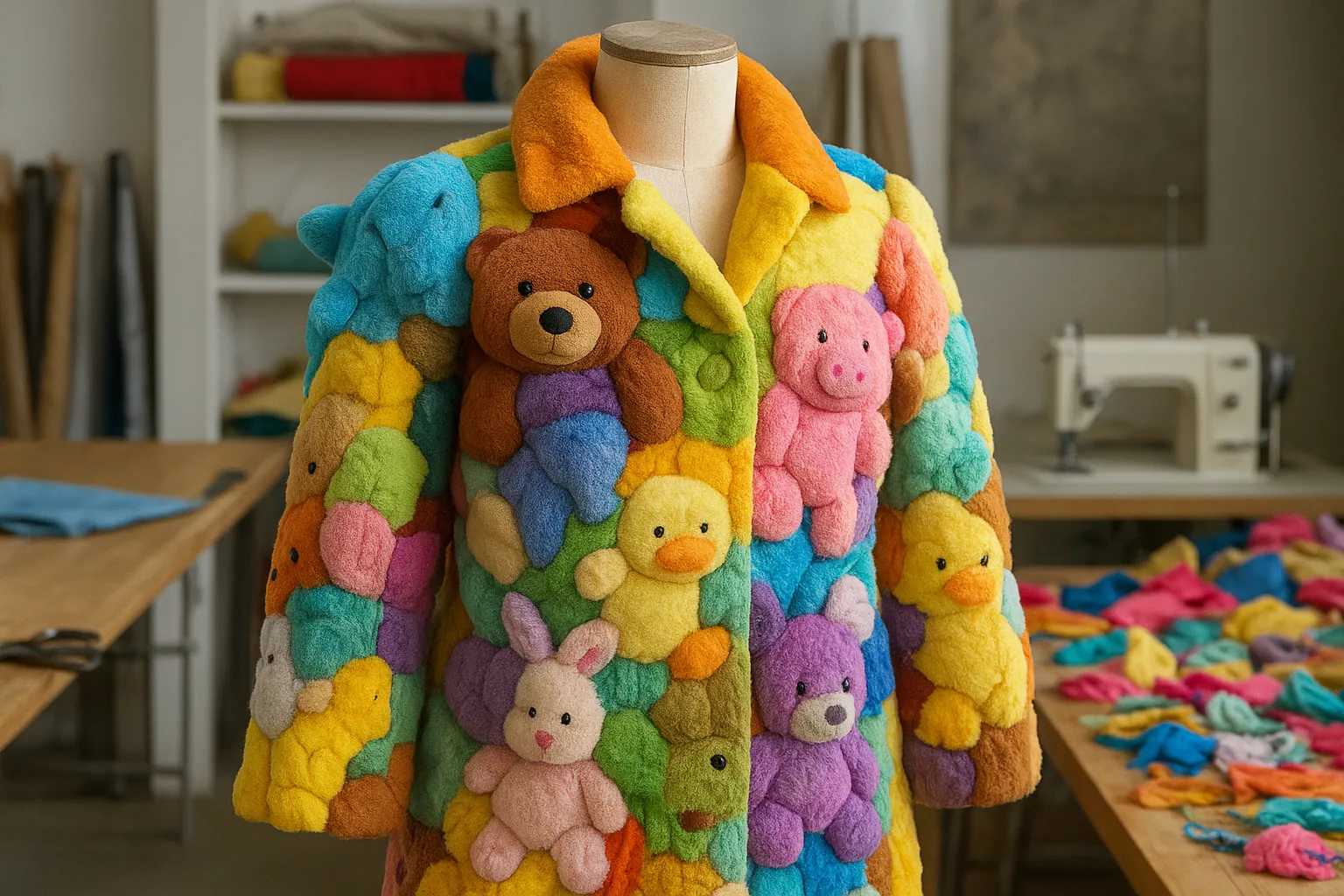
Ten regional designer collections showcased a spectrum of experimental material innovations. Student designers from Activate Learning drew attention to synthetic sportswear waste by upcycling discarded football kits into striking new pieces. Other technical solutions included garments constructed from obsolete technology waste, deadstock fabrics, vintage household linens, and repurposed upholstery. The finale was a showstopper: a floor-length patchwork coat engineered from secondhand plush toys. Each look told a story of transformation, proving that waste is merely a resource in disguise.
Bridging Education and Industry
For fashion educators and curriculum developers, the Blenheim Palace show offers a compelling case study. It underscores the growing necessity of integrating circular design methodologies, material upcycling, and waste metrics directly into design pedagogy. When students work alongside established local organisations, they gain real-world platforms to test alternative production methods. Such academic-community partnerships equip future designers with the skills to balance artistic innovation with measurable environmental impact—a balance the industry increasingly demands.
The Carbon Cost of Fashion
Attendees had the immediate opportunity to purchase runway looks online, with proceeds directly supporting Cherwell Collective’s ongoing Carbon Cost of Fashion campaign. This direct link between showcasing and commerce creates a tangible feedback loop: consumers can support sustainable design while funding further advocacy. As the fashion industry faces heightened pressure to shift toward closed-loop manufacturing, events like this demonstrate how regional educational hubs can lead the charge, training designers who see waste as a starting point rather than an endpoint.
A Blueprint for Regional Hubs
Cherwell Collective’s initiative proves that grassroots action can resonate far beyond a single runway. By combining creativity, education, and environmental metrics, the Sustainable Fashion Show at Blenheim Palace offers a replicable model for communities everywhere. It shows that the journey toward a circular textile economy begins locally—in orangeries, classrooms, and collective workshops—and that every discarded garment holds the potential for reinvention.