SCAD
SCAD Appoints Paul Austin as Executive in Residence for 2026–27
Savannah College of Art and Design welcomes fragrance strategist Paul Austin as executive in residence for 2026–27, bridging scent, fashion, business and spatial design.

The Savannah College of Art and Design has named fragrance industry strategist and creative director Paul Austin as its executive in residence for the 2026–2027 academic year. Austin, who founded the New York-based Austin Advisory Group and co-created LilaNur Parfums, previously mentored at the SCAD Perfume Atelier during the 2025–2026 academic calendar.
A cross-disciplinary mandate
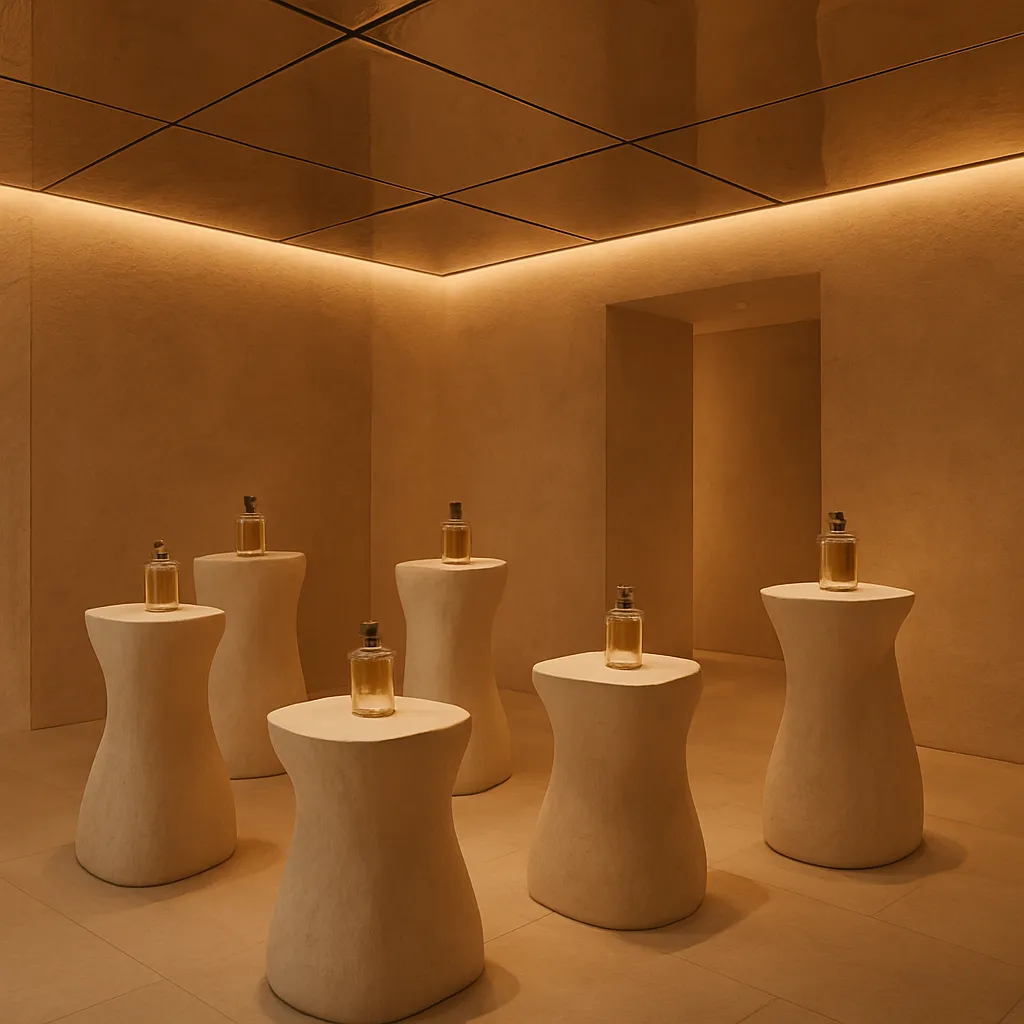
In this expanded role, Austin will advise students, faculty and academic leadership across the School of Fashion, the De Sole School of Business Innovation and the School of Building Arts. His remit is to guide cross-disciplinary projects that translate olfactory and sensory design into commercial fashion, branding and built environments. The appointment reflects a deliberate move to treat scent not as an isolated consumer product but as an experiential medium that spans retail environments and spatial design.
Commercial depth behind the academic brief
Austin’s career spans the fragrance and luxury sectors at significant commercial scale. He formerly served as global head of fine fragrances at Quest International and later as senior vice president of fine fragrances following the company’s acquisition by Givaudan. His advisory portfolio includes corporate collaborations with Estée Lauder Companies, SK-II and Rolls-Royce, as well as a strategic post with the French natural ingredients house Robertet.
That mix of brand-side, ingredient-side and corporate advisory experience is central to what he brings to the studio. Students working across luxury and brand management, beauty and fragrance business, fashion marketing, fashion design and interior design will have access to a practitioner who has operated at the intersection of creative direction and commercial strategy.
Why institutions are rethinking the curriculum
The appointment signals how leading creative institutions are adapting curriculum models to meet the luxury sector’s increasing reliance on multi-sensory branding and experiential retail. By bridging business education, spatial architecture and fashion product development through established practitioners, design universities reinforce professional placement outcomes and institutional viability.
As luxury houses place greater commercial weight on proprietary fragrance and sensory identity, integrating high-level corporate expertise directly into studio coursework offers students a tangible pathway into specialised creative management roles. It also gives faculty and academic leadership a working bridge to current industry practice, where the boundaries between product, environment and brand narrative are increasingly fluid.
What the residency means in practice
The executive-in-residence model is not simply a visiting lecture series. It places an active industry figure inside the academic structure, with a mandate to advise across schools and to shape projects that cross conventional departmental lines. For students, the value lies in working through real commercial tensions: how a fragrance brief informs a retail concept, how a brand story translates into spatial atmosphere, and how sensory identity can be built into a fashion collection from the earliest stages.
For SCAD, the arrangement strengthens its position as a design school that connects studio craft with the business realities of the luxury market. The residency runs through the 2026–2027 academic year and encompasses programmes in luxury and brand management, beauty and fragrance business, fashion marketing, fashion design and interior design.