Ross Stores
Ross Stores Opens 51 New Locations Across 17 States
Ross Stores has opened 51 new outlets across 17 states, completing its fiscal 2026 growth plan with 115 openings and debuting in Massachusetts.
A Year of Growth Wrapped Up Early
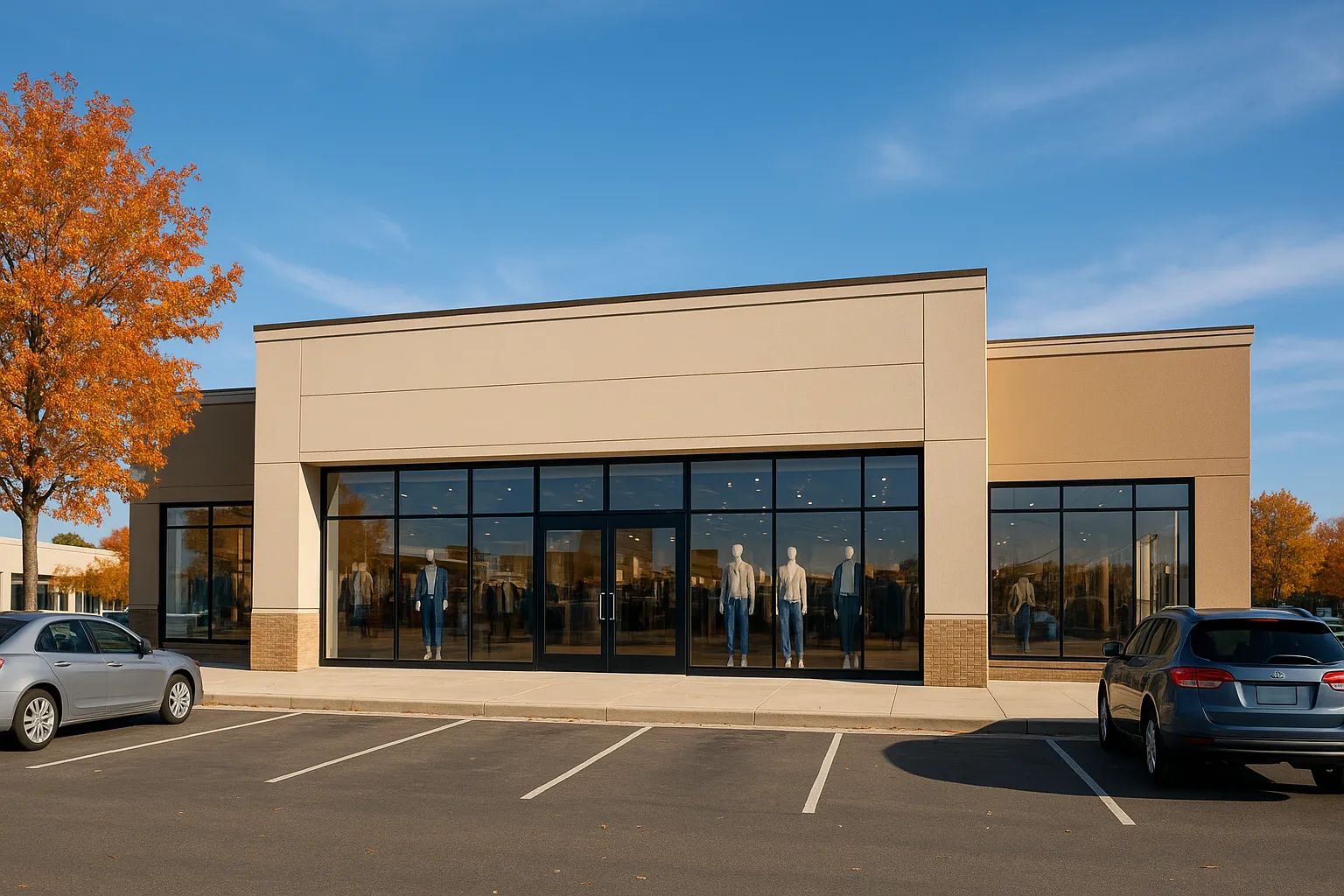
Ross Stores has closed out its store expansion programme for the year ahead of schedule. The Dublin, California-based retailer added 51 new outlets across 17 states during September and October, taking its total openings for fiscal 2026 to 115 and completing the growth plan it set for the period.
The latest wave breaks down into 41 Ross Dress for Less stores and ten DD’s Discounts locations. With these additions, the Group now trades from approximately 2,377 sites spanning 45 states, as well as the District of Columbia, Guam and Puerto Rico.
Massachusetts Debut for Ross Dress for Less
The most notable feature of this round of openings is the arrival of Ross Dress for Less in Massachusetts, where the banner has secured its first sites. Further stores have also been added in New York and in other markets where the chain already has a foothold.
DD’s Discounts, meanwhile, kept its growth concentrated on its established heartlands of California, Florida and Texas rather than pushing into new territory. The approach suggests a deliberate strategy of deepening presence where brand awareness and supply chains are already strong.
Richard Lietz, executive vice president of property development at Ross Stores, described the milestone as a reward for the chain’s recent trading. He pointed to the strong performance of newer stores as the foundation for entering Massachusetts while building on existing positions in New York and elsewhere.
Confidence in Both Formats
Lietz signalled that the company sees plenty of runway left for both chains, pointing to continuing shopper appetite for branded merchandise at reduced prices. That demand, he suggested, supports the case for further expansion rather than consolidation.
The group’s long-term ambition is substantial: it believes the estate can eventually support at least 2,900 Ross Dress for Less stores and 700 DD’s Discounts sites. Against current numbers, that implies a significant increase in both banners over time.
Two Distinct Off-Price Propositions
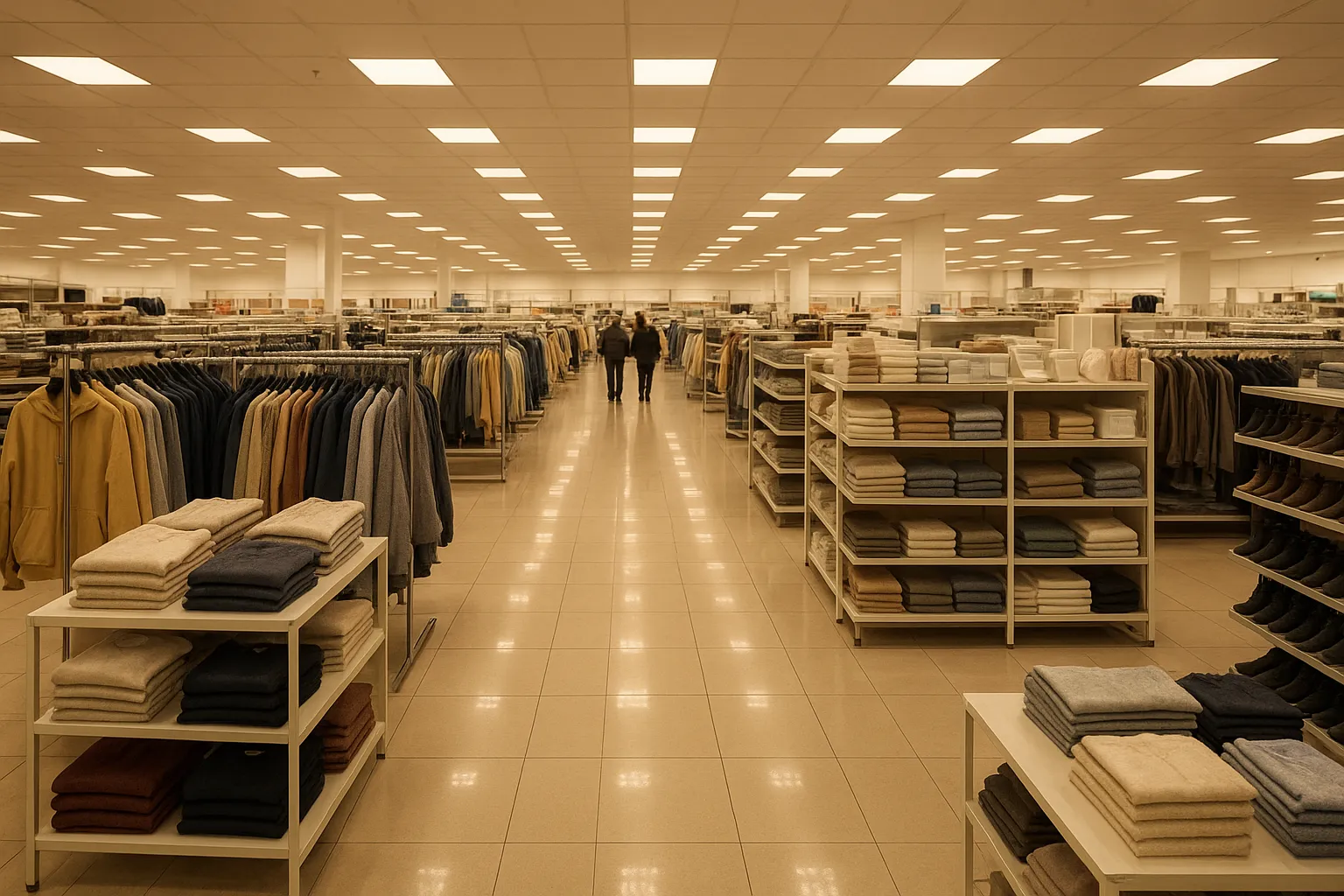
Ross Dress for Less is presented as the largest off-price apparel and home fashion chain in the United States, with 1,993 stores currently in operation. Its shelves carry brand name and designer clothing, accessories, footwear and home goods, pitched at prices the company says sit 20 to 60 per cent below what department and specialty stores charge at full price.
DD’s Discounts takes a different position in the market. Its 384 stores across 24 states offer a more moderately priced assortment, with savings advertised at between 20 and 70 per cent compared with moderate department and discount store prices. The two chains therefore serve overlapping but distinct shopper groups — one leaning towards branded bargains, the other towards everyday value.
Running both formats gives the retailer two routes into a value-conscious market and allows it to match different types of location, from prosperous suburbs to more price-sensitive catchments.
The Financial Backdrop
Ross Stores is listed on the Nasdaq and reported revenues of 22.8 billion dollars for fiscal 2025. The pace of openings reflects a retailer willing to commit capital to physical space at a time when many competitors have been scaling back their store estates in favour of online operations.
Off-price retailing has proven resilient because it offers shoppers the appeal of recognisable brands without the full price tag. Inventory sourced from manufacturers’ excess stock and end-of-season lines keeps costs down, and the no-frills, constantly changing nature of the offer encourages repeat visits.
Giving Back Alongside Growth
The expansion has also come with community commitments. Alongside the new openings, the company made donations to local Boys & Girls Clubs and to First Book, a literacy organisation. Such contributions are a familiar part of retail openings, helping to build relationships in the towns and neighbourhoods where new stores establish themselves.
What Comes Next
With 115 openings completed, fiscal 2026’s store plan has been delivered in full. The focus now shifts to whether the group can carry that momentum towards its stated long-term targets. The debut in Massachusetts offers a useful test case: a new state, an unfamiliar market and a chance to see whether the off-price formula travels as well as the company expects.