Delivery
Reliability Beats Speed in EMEA Delivery, But Costs Climb
New research shows only 27% of EMEA logistics firms give delivery dates before checkout, yet 63% say reliability matters more than speed as costs rise 9%.
The gap between promise and checkout
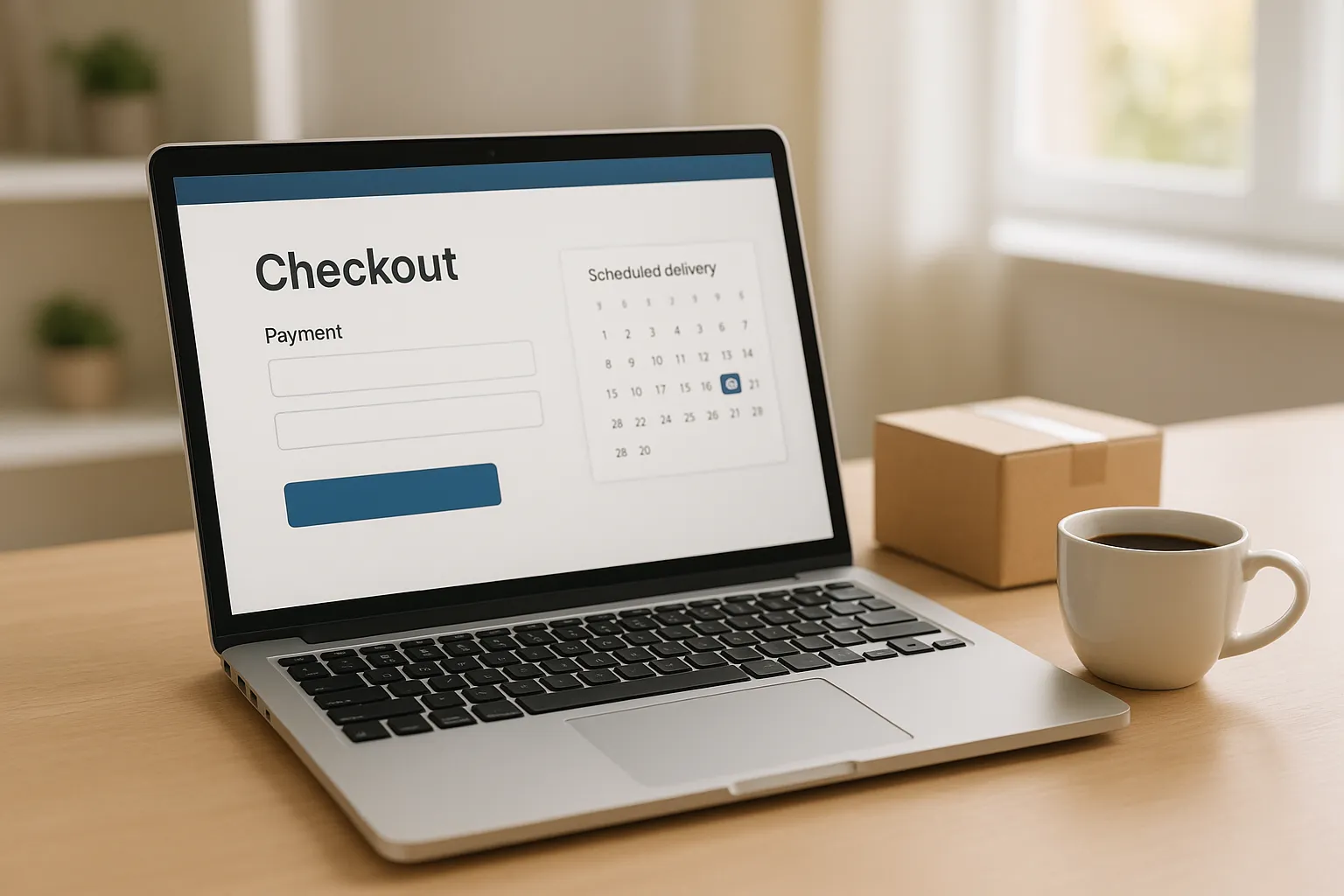
Online shoppers in Europe, the Middle East and Africa are often left guessing when their order will arrive. Research among logistics and delivery companies in the region shows that only 27 per cent tell customers the expected delivery date before they reach the checkout. That means the vast majority of retailers and carriers are asking people to commit to a purchase without a clear timeline for when it will land on their doorstep.
The same research, presented at an industry meeting in Amsterdam, found that 43 per cent of the companies surveyed do offer same-day or express delivery. There is a curious mismatch here: a large share of the sector has invested in speeding up fulfilment, yet fewer than three in ten make the arrival date visible at the point of decision. Speed exists in the operation, but it is not always communicated where it matters most.
What customers actually value
When more than 500 executives in logistics and delivery were asked what matters most to their customers, the answer was not velocity. Some 63 per cent named reliability as the single most important factor. Only 11 per cent said speed was the most important. The message is clear: a parcel that arrives when promised is worth more than one that arrives quickly but unpredictably.
That has direct implications for how businesses design their checkout and post-purchase communications. A precise, honest delivery estimate builds trust. A vague window or a surprise at the door erodes it. Shoppers will forgive a two-day wait far more readily than a missed promise, especially when they have planned around it — whether that means being home to receive a parcel, arranging for a neighbour to take it in, or simply knowing it will not sit on a doorstep in the rain.
Costs are moving in the wrong direction
At the same time, the economics of delivery are becoming harder to manage. Of the companies surveyed, 96 per cent reported higher costs per delivery, with an average increase of 9 per cent compared with the previous year. For 76 per cent of them, delivery costs grew at least as fast as revenue — a squeeze that leaves little room for error.
Rising costs put pressure on the very promises customers value most. If a business does not understand what each delivery truly costs across its carrier network, it risks either overpaying for service levels it does not need or underdelivering on the promises it has made. Both outcomes damage the customer relationship, and the second is harder to recover from.
Closing the gap between promise and performance
The picture that emerges is of a sector that has focused heavily on speed while underinvesting in the clarity and consistency that customers actually reward. According to Kushal Nahata, chief executive and co-founder of FarEye, the software company behind the research, businesses need greater visibility into their carrier networks and a clearer view of the total cost per delivery. They also need to give customers delivery promises that are both clearer and more dependable.
That means treating the delivery estimate as a core part of the shopping experience rather than an afterthought. It means knowing which carriers perform reliably on which routes, and pricing delivery options in line with what they actually cost to fulfil. And it means resisting the temptation to promise a date the operation cannot consistently meet.

What retailers can take away
For retailers and online stores, the findings suggest a few practical priorities:
- Show a delivery date before checkout. A specific, realistic date beats a generic estimate and reduces abandoned baskets.
- Measure reliability, not just speed. Track on-time performance by carrier and route, and use that data to set customer expectations.
- Understand the true cost per delivery. With costs up 9 per cent on average, margin discipline depends on knowing where the money goes.
- Align promises with capacity. A promise kept is worth more than a faster one broken.
The competitive advantage in delivery is shifting. Speed still matters, but it is no longer the differentiator it once was. What customers want — and what the data supports — is the confidence that what was promised will actually happen. Companies that can deliver on that confidence, while keeping costs under control, will be the ones that earn repeat business in a market where every delivery is scrutinised.


