Primark
Primark's Game-Changing Deal for Recycled Polyester
Primark signs long-term deal with Circ to use recycled polyester from textile waste in its clothing from 2029, boosting circular fashion.
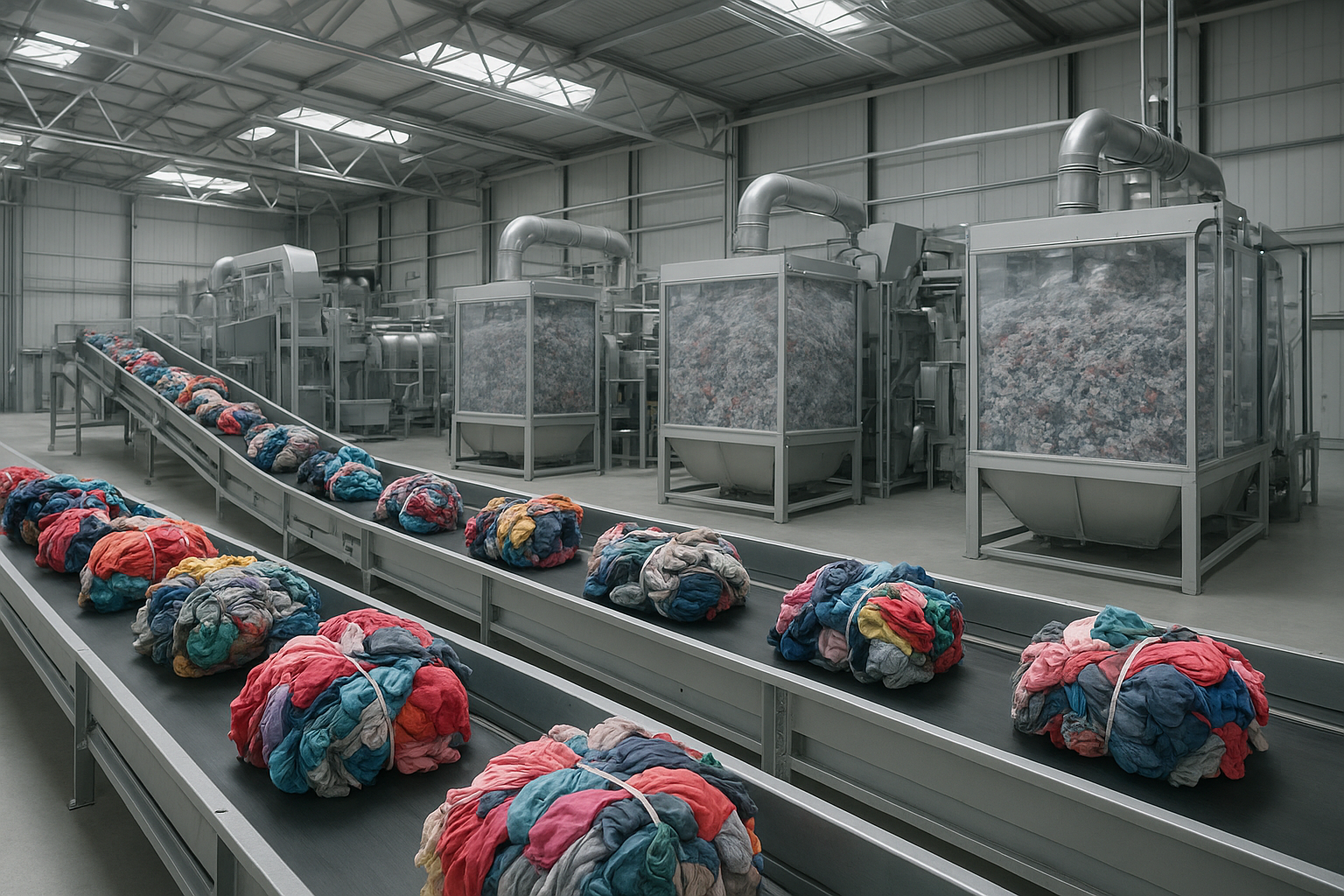
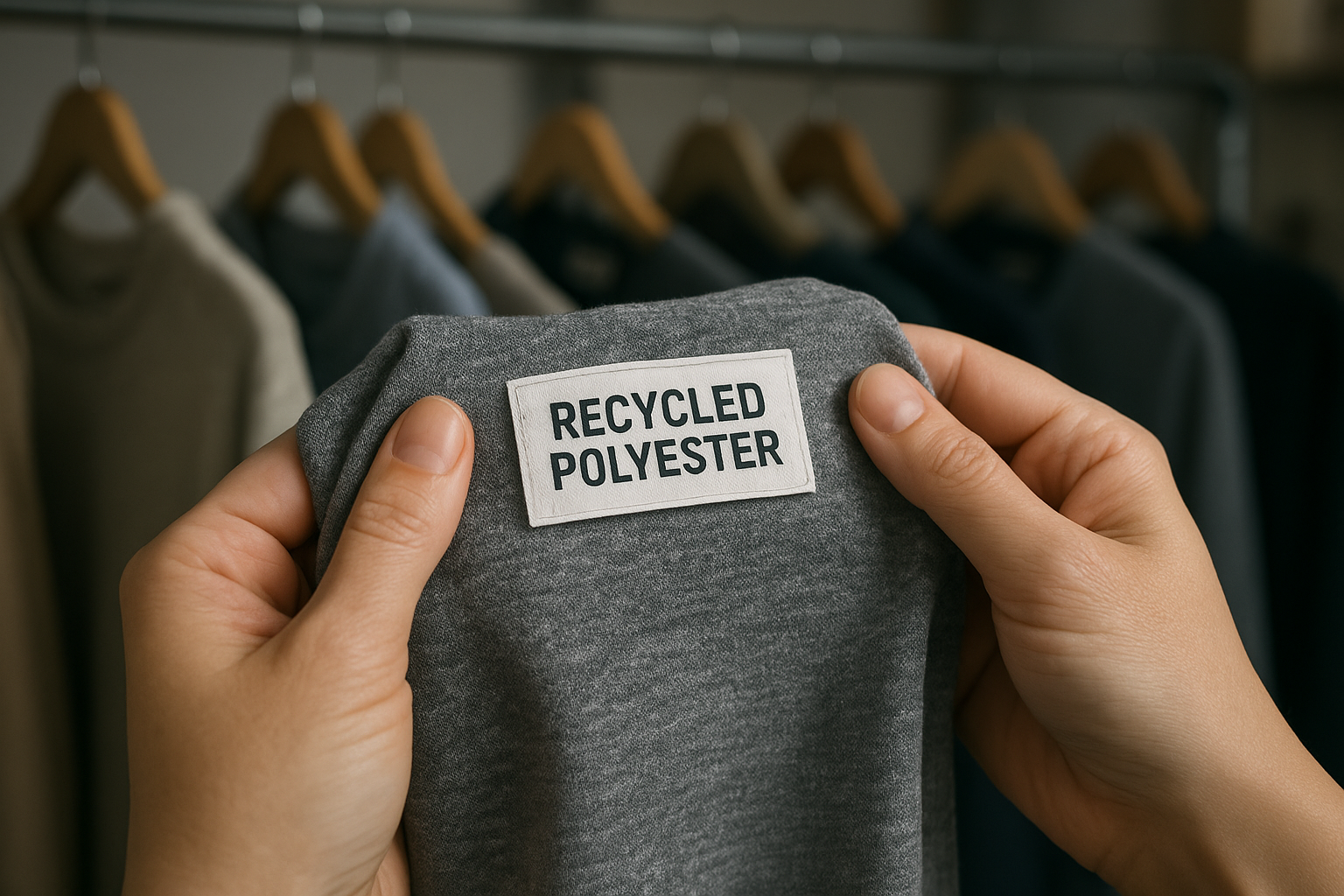
Primark, the budget fashion giant, has made a significant move towards sustainability by signing a long-term purchase agreement with Circ, a textile-to-textile recycling company. From 2029, Primark will incorporate recycled polyester derived from textile waste into its clothing, marking a major step in reducing its reliance on virgin polyester and advancing its circular economy commitments.
A Landmark Deal for Circular Fashion
This agreement represents Primark’s first multi-year offtake deal with a textile-to-textile recycler. It underscores the retailer’s ambition to scale its use of circular materials and drive demand for innovative recycling solutions. Circ’s technology is designed to recycle polycotton blends—a common but challenging mix—by separating and recovering both polyester and cellulose, which can then be reintroduced into fashion supply chains. The recycled polyester will be produced at Circ’s planned commercial facility, which will source textile feedstock globally, including post-consumer and post-industrial waste. The facility aims to maintain the value of European textile waste.
Peter Majeranowski, CEO of Circ, commented: “This partnership with Primark represents exactly the kind of long-term commercial commitment needed to move textile-to-textile recycling from innovation to industry standard. When a global fashion retailer commits to integrating recycled materials into future collections, it sends a powerful signal across the industry: the demand is here, the materials are ready, and the opportunity to scale circular material supply chains is real.”
Primark Cares: A Commitment to Longevity and Recycling
The partnership builds on Primark’s Primark Cares strategy, which focuses on keeping clothes and materials in use for longer and reducing waste. Through circular design principles, a Circular Product Standard, and initiatives supporting clothing reuse and repair, Primark aims to show that clothes made to last longer don’t have to come at a higher price.
Lynne Walker, director of Primark Cares, added: “We launched Primark Cares with a focus on improving the quality and longevity of our clothing, and in the process show that clothes made to last longer don’t have to come at a higher price. Since then, we’ve delivered tangible progress, including increasing the use of recycled fibres, introducing products designed to be recycled and enhancing traceability across our supply chain. This partnership is an important milestone in accelerating our ambitions to further embed circularity in our business and help scale innovative textile-to-textile recycling solutions that could play a transformational role in the future of fashion.”
What This Means for the Fashion Industry
Primark’s commitment sends ripples across the fashion world. It signals that there is a viable market for recycled materials and that retailers are willing to invest in scaling the necessary infrastructure. As more brands follow suit, the demand for textile-to-textile recycling will grow, making it a standard practice rather than a niche solution. This shift could significantly reduce the fashion industry’s environmental footprint, which is currently dominated by virgin material production.
Circ’s technology addresses a critical gap: polycotton, a blend used in a vast array of garments, has long been difficult to recycle because the fibres are tightly intertwined. By successfully separating them, Circ enables a closed-loop system where old clothes become new ones, reducing waste and conserving resources.
The Road Ahead
While the first recycled polyester garments from this partnership won’t hit shelves until 2029, the groundwork is being laid now. Primark and Circ are working to ensure a steady supply of feedstock and to integrate recycled materials seamlessly into Primark’s supply chain. This long-term vision is crucial for making circular fashion a reality.
For consumers, this means that in the not-too-distant future, they’ll be able to buy affordable clothing made from recycled materials, knowing that they’re supporting a more sustainable industry. As Primark continues to expand its Primark Cares initiatives, it sets an example for other retailers to follow, proving that style, affordability, and sustainability can go hand in hand.
In conclusion, Primark’s deal with Circ is more than just a business agreement; it’s a statement of intent. It demonstrates that the fashion industry is ready to embrace circularity, and that with the right partnerships and commitments, we can move towards a future where textile waste is not a problem, but a resource.