Paris Fashion Week
Paris Fashion Week SS27: $795.6M Earned Media Value Record
Paris Fashion Week SS27 shattered records with $795.6 million in EMV, a 59% rise, as Dior and Schiaparelli lead a new era of 360-degree fashion marketing.
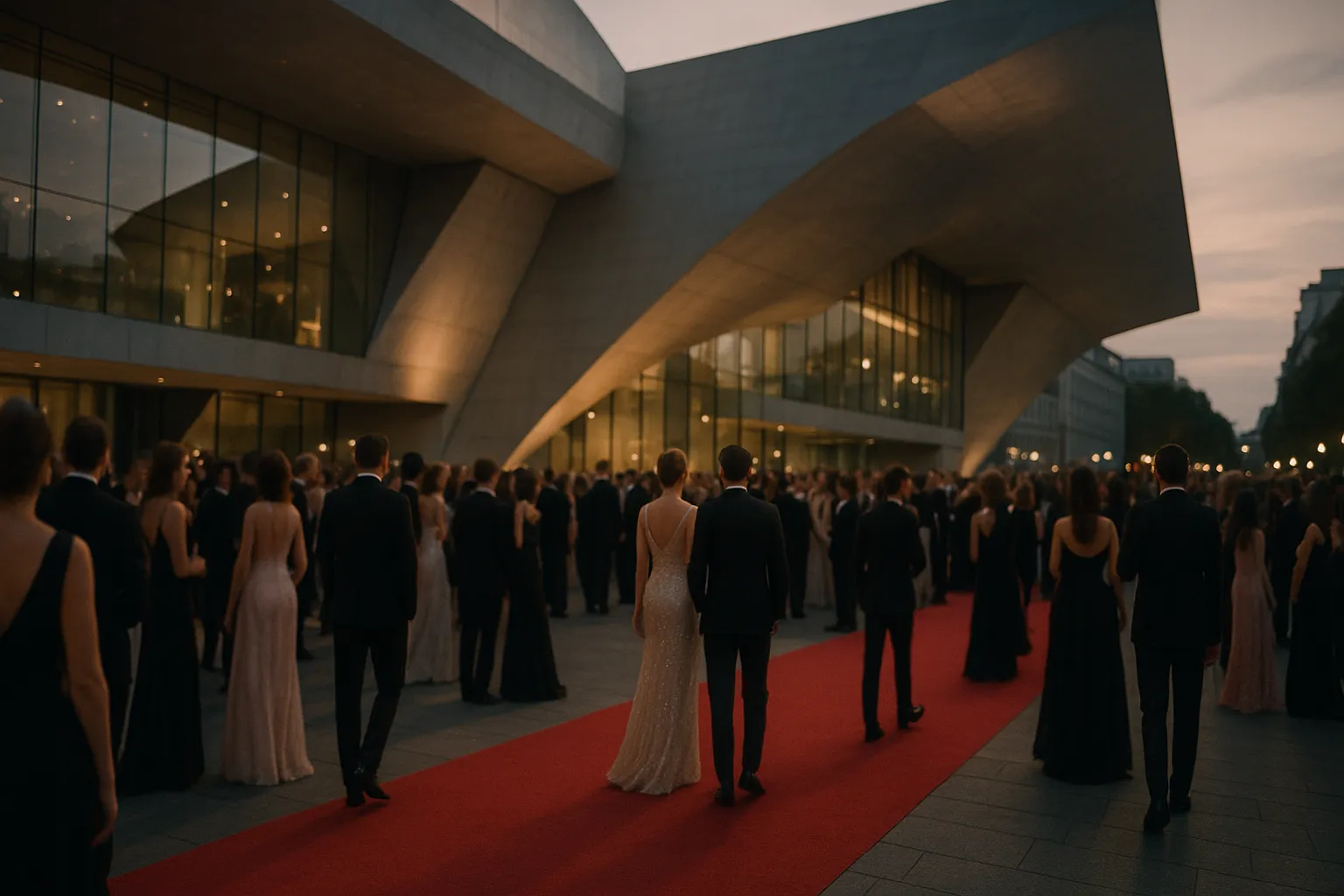
Paris Fashion Week has long been the crown jewel of the fashion calendar, but the spring/summer 2027 womenswear season has redefined its scale. According to figures from communications agency Karla Otto and influencer marketing platform Lefty, the event generated an astonishing $795.6 million in earned media value (EMV), a 59 per cent increase year on year and the highest total ever recorded for a single season. To put that into perspective, Milan Fashion Week womenswear SS27 reached $311 million in EMV, while London Fashion Week mustered $27.3 million. Paris is not merely leading the pack; it is operating in a different league entirely.
The driving force behind this surge is the 360-degree marketing strategy adopted by the major houses. Rather than relying on a single viral moment, the top-performing brands engineered a multi-layered approach: front rows packed with high-impact celebrities and culturally astute personalities, set designs built for social media engagement, and a renewed emphasis on artisanal craftsmanship that resonates with discerning audiences. This trifecta has turned Paris into the most visible fashion event of the season.
Dior and Schiaparelli lead a historic surge
Dior nearly tripled its EMV compared to the previous year, thanks to a sustained partnership with Thai stars Lingling Kwong and Orm Kornnaphat, alongside appearances by Jennifer Lawrence, Rihanna and Toheeb Jimoh. The house’s ability to blend Hollywood glamour with a targeted approach to Southeast Asian audiences proved formidable.
Schiaparelli, meanwhile, broke into the top five for the first time, propelled by the visibility of Thai actors Napatsakorn Pingmuang and Harit Buayoi, who sat alongside singer Tate McRae. The brand’s distinctive aesthetic and its knack for creating memorable moments paid off with a 343 per cent increase in EMV.
Top five brands by EMV at Paris Fashion Week womenswear SS27:
- Dior (+297 per cent)
- Schiaparelli (+343 per cent)
- Chanel (+14 per cent)
- Miu Miu (+82 per cent)
- Louis Vuitton (-7 per cent)
While Louis Vuitton saw a slight decline, the overall trend is unmistakable: Paris is where brands come to make a measurable impact, and the competition is intensifying.
Audience diversification: the rise of independent platforms
Beyond the traditional front-row celebrities, brands are increasingly exploring new territories to reach fresh audiences. Video games, niche sports and independent editorial platforms are all part of the mix. Chanel, for instance, invited British commentator Chani Ra, while Stella McCartney enlisted authors Violet Grace Atkinson and Julia Berolzheimer to secure more in-depth and thoughtful media coverage, moving beyond the fleeting buzz of Instagram posts.
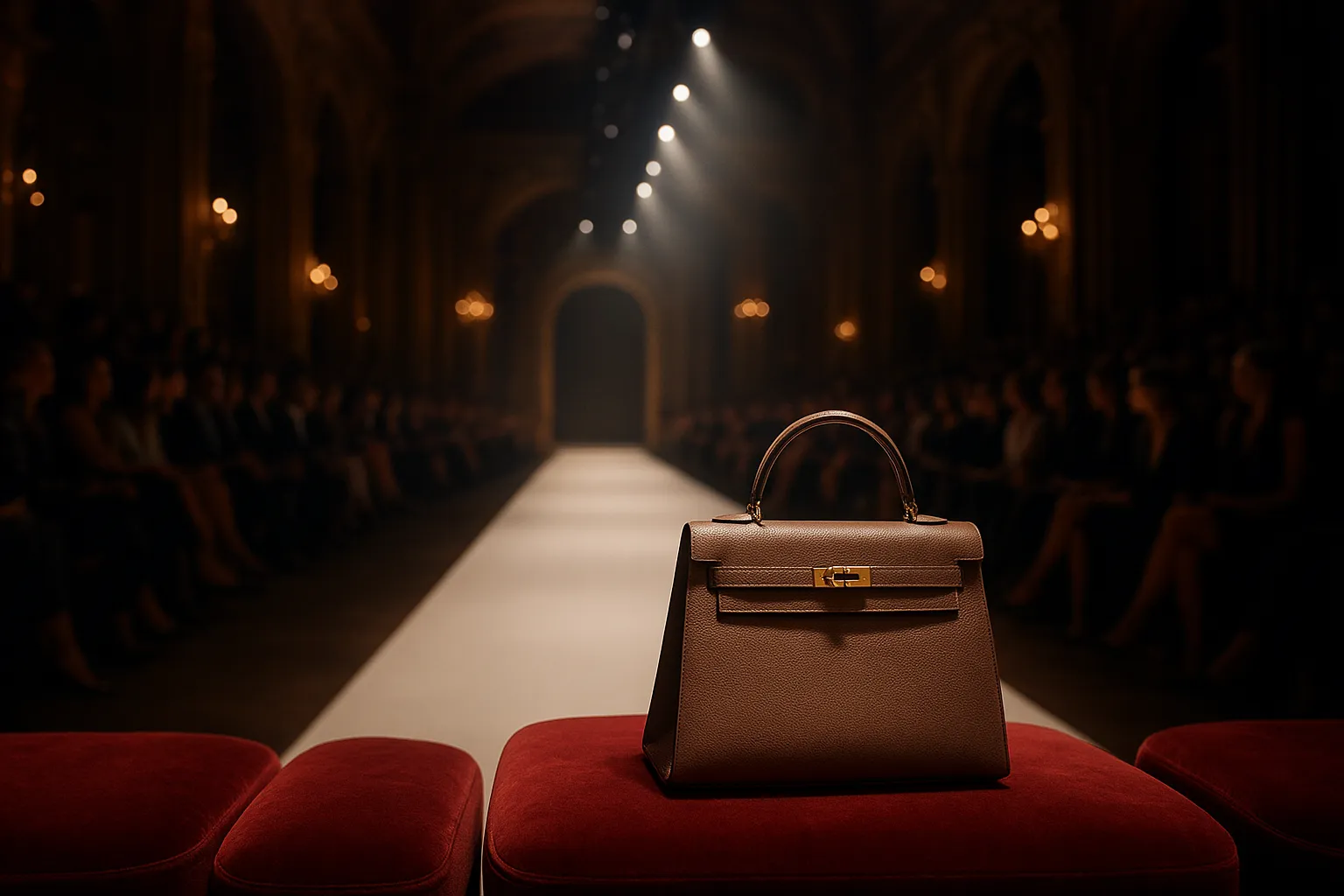
Chanel also capitalised on viral moments by inviting Rachel Ojuromi to walk in its show after she recreated the house’s outfits in Nigeria, and by publishing a TikTok video featuring Kristen Wiig, Pedro Pascal, Dua Lipa and Nicole Kidman. The appearance of Gabrielle Chanel’s personal 2.55 bag from the house’s archives on the runway further amplified excitement, proving that heritage can be just as compelling as a celebrity endorsement.
Regionally, China remains a priority, but the approach has shifted. While the overall number of invited Chinese celebrities has decreased, their individual impact has intensified. Actress Dilraba Dilmurat, for example, single-handedly generated $20 million in EMV for Dior by taking over the house’s Weibo account. This targeted strategy prioritises depth over breadth, ensuring that every collaboration resonates with the right audience.
What about smaller brands?
For emerging labels and independent designers, the numbers coming out of Paris can feel intimidating. Few can afford the visibility offered by Thai superstars or LVMH’s Hollywood-style set designs. So how can smaller players compete in a game that seems rigged in favour of the giants?
The answer, according to industry observers, lies in a different approach: “human curation” and quiet sharing. Rather than exhausting resources to feed a voracious algorithm and chase mass EMV, smaller brands should reconnect with relational dynamics reminiscent of the pre-social media era. The goal is not to flood public news feeds but to invest in “Dark Social”—the untraceable space of private message recommendations, WhatsApp groups and highly qualified word-of-mouth.
For these labels, the challenge is to move away from the artificial figure of the “economic persona” (the standardised influencer) and instead address real profiles: genuine customers, niche creatives and passionate tastemakers. It is a strategy of deliberate scarcity, where a community of 5,000 highly engaged insiders will always convert better than one million phantom likes generated by fandoms. In other words, micro-influencers remain more relevant than ever, and authenticity is the ultimate luxury.
As Paris Fashion Week continues to shatter records, the contrast between the blockbuster tactics of the major houses and the quiet, community-driven strategies of independent labels becomes ever more apparent. Both approaches have their place, but the future of fashion marketing may well depend on how well brands can balance spectacle with substance—and mass reach with meaningful connection.