Textile Waste
New Scheme to Overhaul UK Textile Collections
Next, Primark and Tesco fund WRAP's programme to redesign UK textile collections, aiming to cut waste and boost recycling. Learn how.
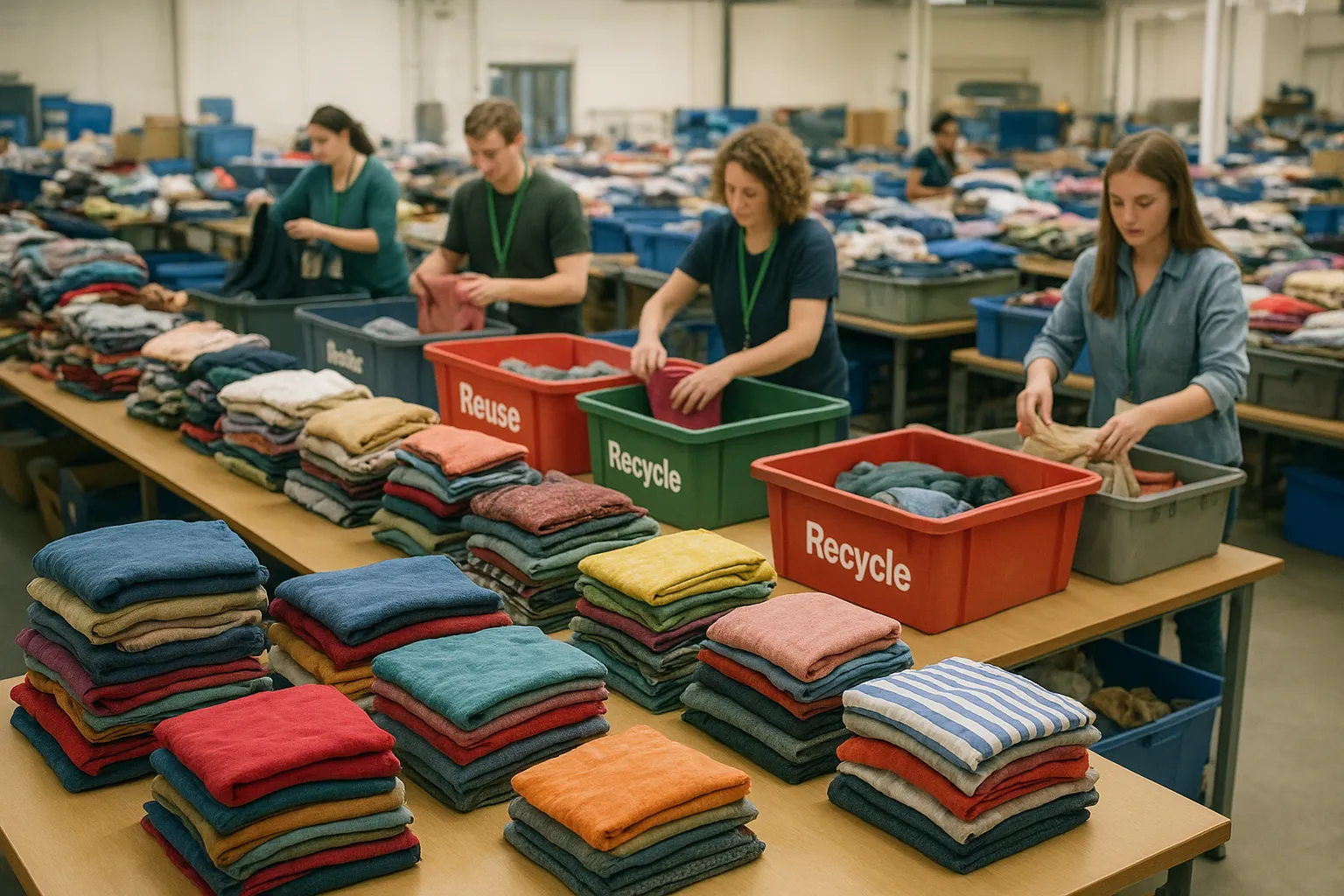
The UK’s approach to textile waste is set for a major overhaul, thanks to a new industry-led initiative. Next, Primark and Tesco are funding a programme coordinated by the Waste and Resources Action Programme (WRAP) to redesign the way used textiles are collected, sorted, and processed. The Textiles Collections Transition Programme aims to tackle the growing mountain of textile waste and the declining value of recycled materials, which have put significant pressure on the sector.
The scale of the challenge
New research from WRAP reveals that the UK generates 1.45 million tonnes of post-consumer textiles every year – equivalent to 21 kilograms per person. Nearly half of these textiles are thrown away in household rubbish bins. Of those discarded items, around 84% are incinerated, and 11% end up in landfill. These figures highlight the urgent need for a more effective collection and recycling system.
A collaborative blueprint for change
The programme’s first phase, supported by the three retailers, has produced a report identifying best practices and potential solutions for improving textile collections. WRAP will now collaborate with a wide range of stakeholders – including retailers, brands, local authorities, charities, collectors, sorters, and recyclers – to develop a blueprint for industry-wide action. This blueprint is expected to be published in spring 2027.
Catherine David, chief executive of WRAP, emphasised the collective effort required: “Transforming textile collections is an industry-wide challenge that no organisation can solve alone. By investing in this programme, Next, Primark and Tesco are showing the leadership needed to move from ambition to action and help build a system that works for the whole sector.”
Financial pressures mount
The initiative comes at a critical time for textile collection and sorting operations. WRAP reported that the price charities receive for collected textiles has plummeted from £375 per tonne in January 2024 to just £70 two years later. Meanwhile, the cost of collecting and sorting worn-out textiles is estimated at £88 million annually. These economic challenges have made it increasingly difficult for charities and businesses to sustain their operations.
Focus areas for the programme
The Textiles Collections Transition Programme will concentrate on three key areas:
- Increasing public participation: Encouraging more people to donate or recycle their unwanted textiles rather than throwing them away.
- Establishing a financially sustainable collection system: Developing models that ensure collection and sorting operations are economically viable.
- Improving material quality: Enhancing the quality of collected textiles to support fibre-to-fibre recycling and reduce waste.
Katherine Organ, sustainability manager for non-food at Tesco, commented: “At Tesco, we are committed to reducing waste and helping build a more circular future for textiles. By supporting WRAP’s Textiles Collections System Transition Programme, we are bringing organisations across the value chain together to develop practical, scalable solutions that improve collections, keep materials in use for longer, and unlock greater reuse and recycling across the UK.”
What’s next?
WRAP is actively seeking additional industry partners to test and scale the solutions developed through the programme. The ultimate goal is to create a system that keeps textiles in circulation for as long as possible, reduces the environmental impact of waste, and supports the UK’s transition to a circular economy for textiles. With the blueprint due in 2027, the coming years will be crucial in shaping a more sustainable future for fashion and textiles in the UK.