Denim
Lenzing and Kaihara Launch the Remod Denim Collection
Lenzing and Kaihara unveil the Remod denim collection, pairing three Tencel Lyocell fibre types with heavyweight jackets, wide-leg jeans and cotton-free shirting.
A wood-based answer to denim’s enduring textures
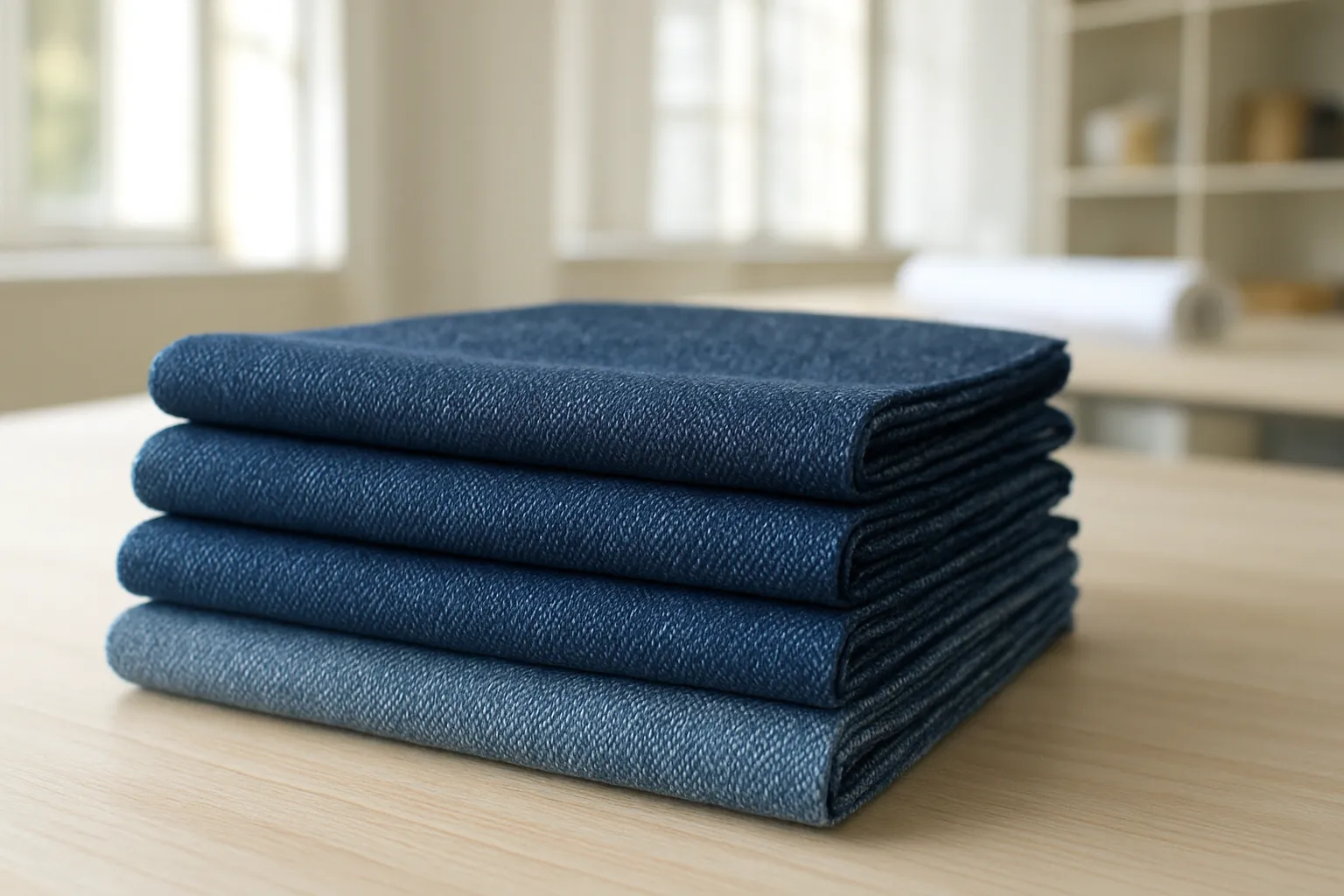
Denim has always been judged on how it feels in the hand and how it ages on the body. A new collaboration between Austrian fibre producer Lenzing Group and Japanese denim manufacturer Kaihara Corporation takes that idea in a different direction, showing how wood-based fibres can imitate the textures wearers expect while adding drape, softness and a lighter environmental footprint.
The result is the Remod collection, presented at the Kingpins Amsterdam trade show on 14 October 2026. Rather than treating Tencel Lyocell as a single ingredient, the partners built the range around three distinct fibre options — Tencel Lyocell Standard, Tencel Lyocell — HV100 and Tencel Lyocell dtex 2.2 — each chosen for what it brings to a specific garment type.
The line-up covers heavyweight men’s jackets, mid-weight wide-leg and stretch jeans, and casual shirting made without cotton. It is a deliberately broad showcase: the same fibre family, interpreted three ways, across garments that ask very different things of a fabric.
The relationship behind the collection is not new. Tencel fibres have appeared in Kaihara’s collections since the 1990s, and each successive chapter has placed different demands on the material. What sets this range apart is the way each fibre variant is given its own stage, treated as a discovery of what that particular fibre type can do rather than as a generic blend component.
Three fibres, three ways of reproducing texture
The engineering behind the collection is focused on texture, which shapes both the character and the visual appeal of premium denim. Each fibre variant approaches that challenge differently.
Tencel Lyocell — HV100
HV100 uses Variocut technology to create deliberate variations in fibre length. The result is a controlled irregularity — subtle unevenness and a matte surface that reads much like cotton. For brands, that means the familiar look of cotton denim without relying on cotton itself.
Tencel Lyocell dtex 2.2
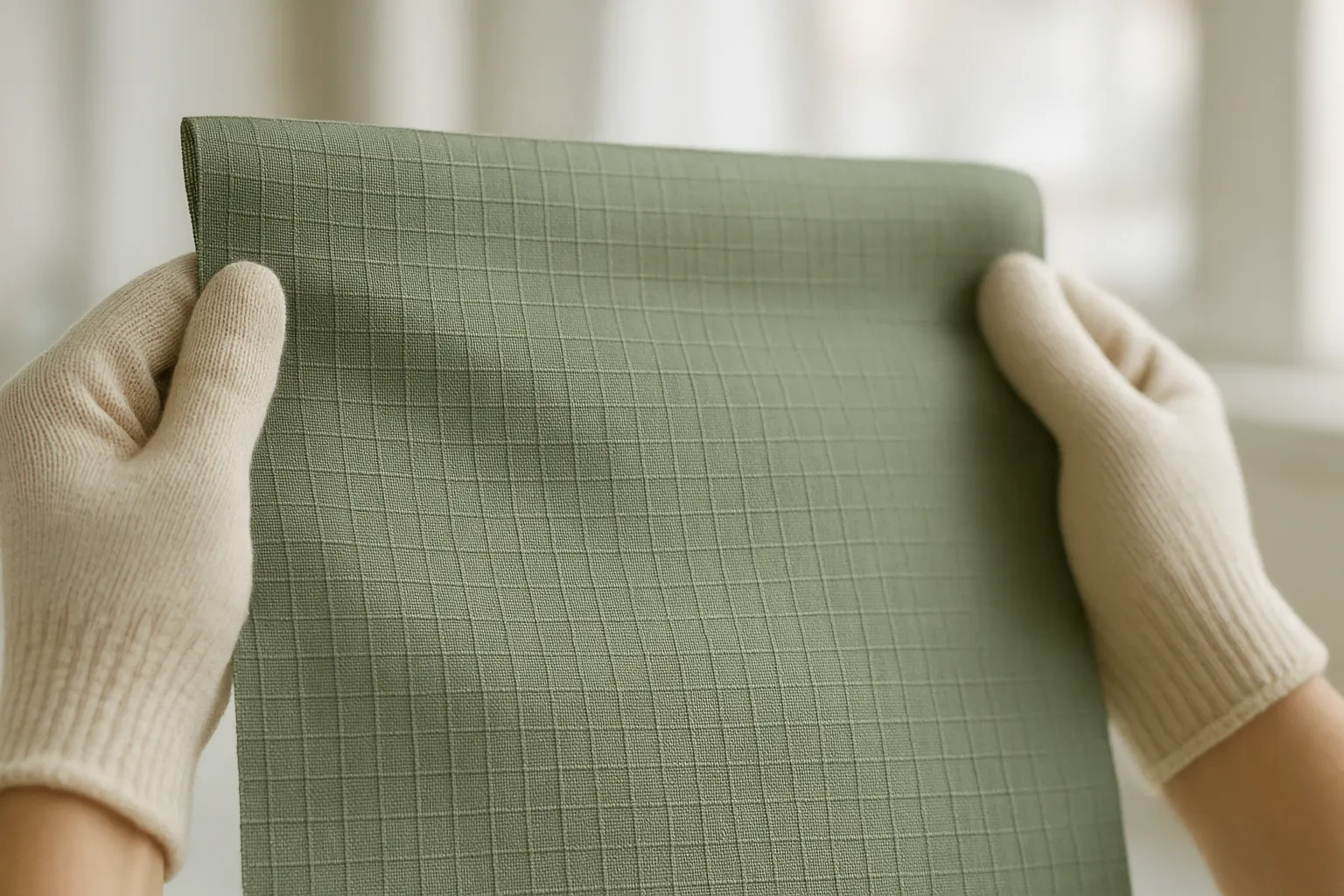
This variant has a 51 millimetre staple length and a coarser structure. It delivers a drier hand and a natural slub pattern reminiscent of linen, yet it achieves that effect without adding extra weight to the fabric — useful where a textured look is wanted but a heavier cloth is not.
Tencel Lyocell Standard
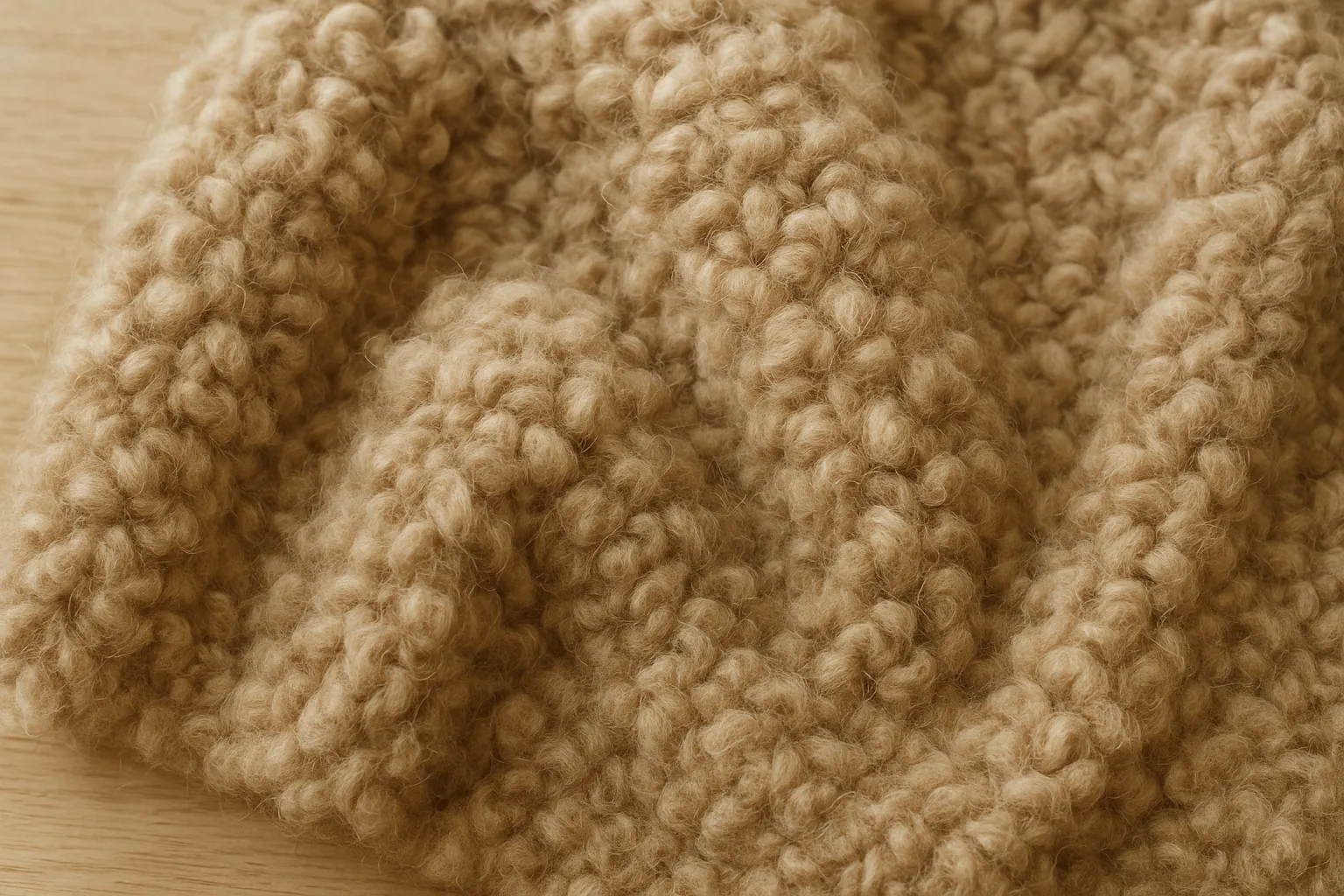
Where the other two chase cotton and linen effects, the standard fibre leans into its own strengths: fluid drape, softness and depth of colour. It is the option that lets a denim garment move and fall differently from the expected.
Together the three fibres allow Kaihara to add value in distinct ways across the range, matching each fabric quality to the garment it suits. Denim’s identity is closely tied to these tactile details, and the collection treats them as a design decision rather than an accident of production.
A mill network closing in on fifty partners
The Remod collection arrives as the HV100 mill partner network marks its first anniversary — and reaches its widest footprint yet.
The programme launched in October 2025 with 17 mills across five countries. By April 2026 it had grown to 37 mills. Today it includes nearly 50 mills in 13 countries. The third cohort, Volume 3, brings Indian mills into the programme for the first time, among them LNJ, Signet, Anubha and Bhaskar. Further additions include Nien Hsing from Taiwan; Discovery, Foison and Advance from China; Vicunha from Brazil; and NDM and Rajby from Pakistan.
The appeal for mills is practical. The fibre drops directly into standard manufacturing setups, so partners can adopt it using their existing equipment, processing steps and chemical formulations — no additional capital expenditure required.
That predictability matters in a sector where planning runs months ahead. A material that behaves consistently in supply, in processing and in how it wears gives brands a foundation they can build a season around, while keeping the authenticity, longevity and comfort that make denim a wardrobe staple.
Why the collection matters beyond the runway
Trade-show launches come and go, but the Remod collection is notable for how it connects fibre innovation to the everyday realities of making denim. The three fibres address the qualities that decide whether a pair of jeans is kept for years or discarded after a season: how the surface looks, how the cloth falls, and how it feels against the skin.
The collection also shows a wood-based fibre moving beyond its familiar role as a softness booster. By engineering for cotton-like irregularity and linen-like slub, Lenzing is positioning Tencel Lyocell as a way to reproduce the textures that define classic denim, not simply to supplement them.
For Kaihara, the collaboration extends a relationship built up over three decades and turns it into a showcase of range — heavyweight outerwear, relaxed wide-leg cuts, stretch denim and shirts that contain no cotton at all. For mills and brands watching the network expand, the message is simpler still: the fibre is available at scale, it fits existing production lines, and it now comes with a portfolio of effects to work with.
Denim’s future, on this evidence, will still be judged by hand and by eye. What changes is the raw material behind that hand and eye — and the number of ways it can be made to behave.