Lacoste
Lacoste opens 800 m² flagship in Seoul's Seongsu
Lacoste has opened an 800 square metre flagship in Seoul's Seongsu district, blending retail, art and hospitality with Korea's first Café Lacoste and bespoke installations.
A new flagship takes shape in Seoul
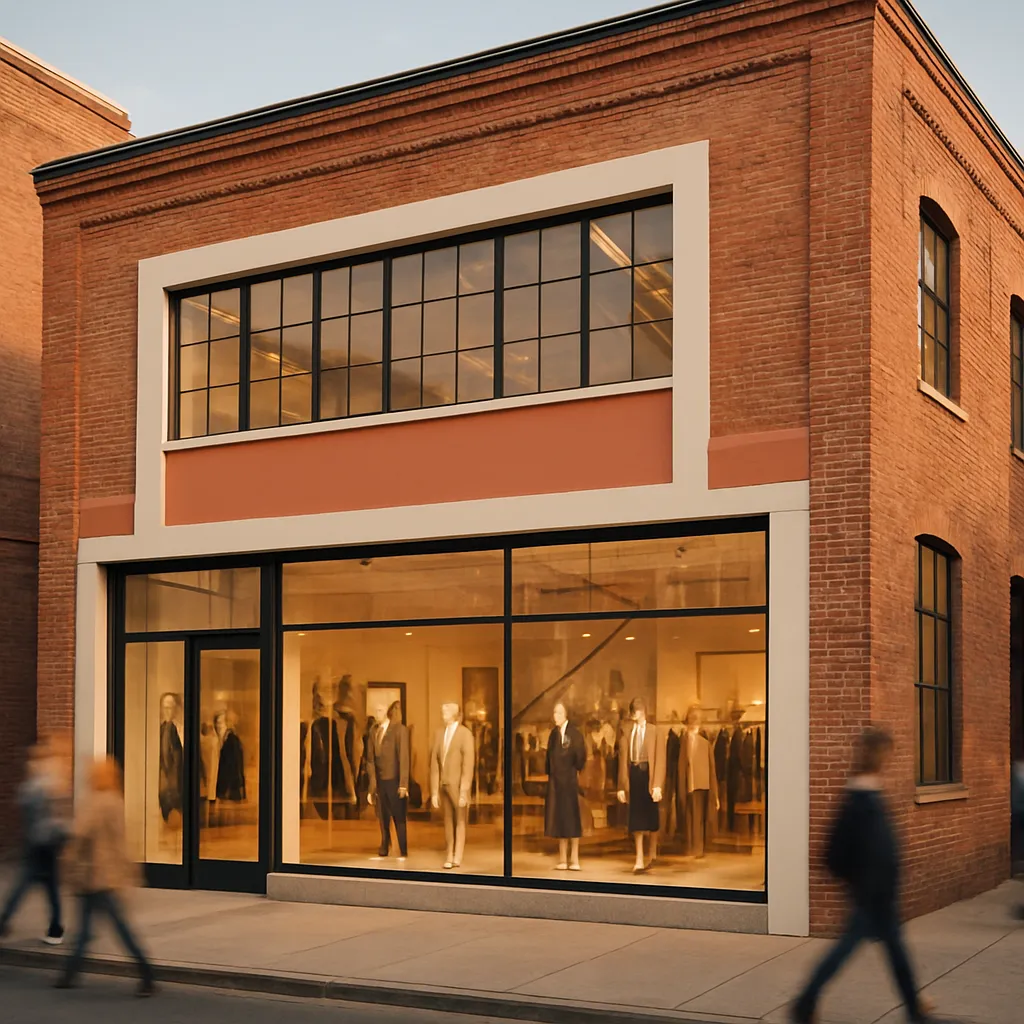
Just days after showing its autumn/winter 2026 collection in Shanghai for a second time, Lacoste has turned its attention to another key Asian market. In November 2026 the French sportswear label confirmed the opening of a flagship store in Seoul, South Korea, occupying more than 800 square metres in the creative heart of the capital.
The address sits in Seongsu, an area that has become synonymous with the city’s design and independent retail scene. Rather than a straightforward shop, the space brings together retail, art and hospitality under one roof, with a focus on the kind of experiential store concepts that consumers in the region respond to.
The result is an eclectic mix: specially commissioned installations, a personalisation service and, notably, the first Café Lacoste in Korea. The store presents the crocodile brand in a format explicitly designed for a local audience that values a strong retail experience.
Why flagships matter to Lacoste
The Seoul opening fits into a wider international strategy. Thierry Guibert, chief executive officer of Lacoste, says the development of flagship stores around the world reflects the company’s ambition to strengthen its international presence and desirability, according to a statement from the brand.
These large-format locations, he suggests, play a decisive role in how the business reaches people. They give tangible form to the company’s identity and its capacity for innovation in a way that a standard shop cannot. Guibert frames the Seoul space as a place shaped by two things at once: the spirit of the brand and the spirit of the city around it.
Brick, clay and tennis white
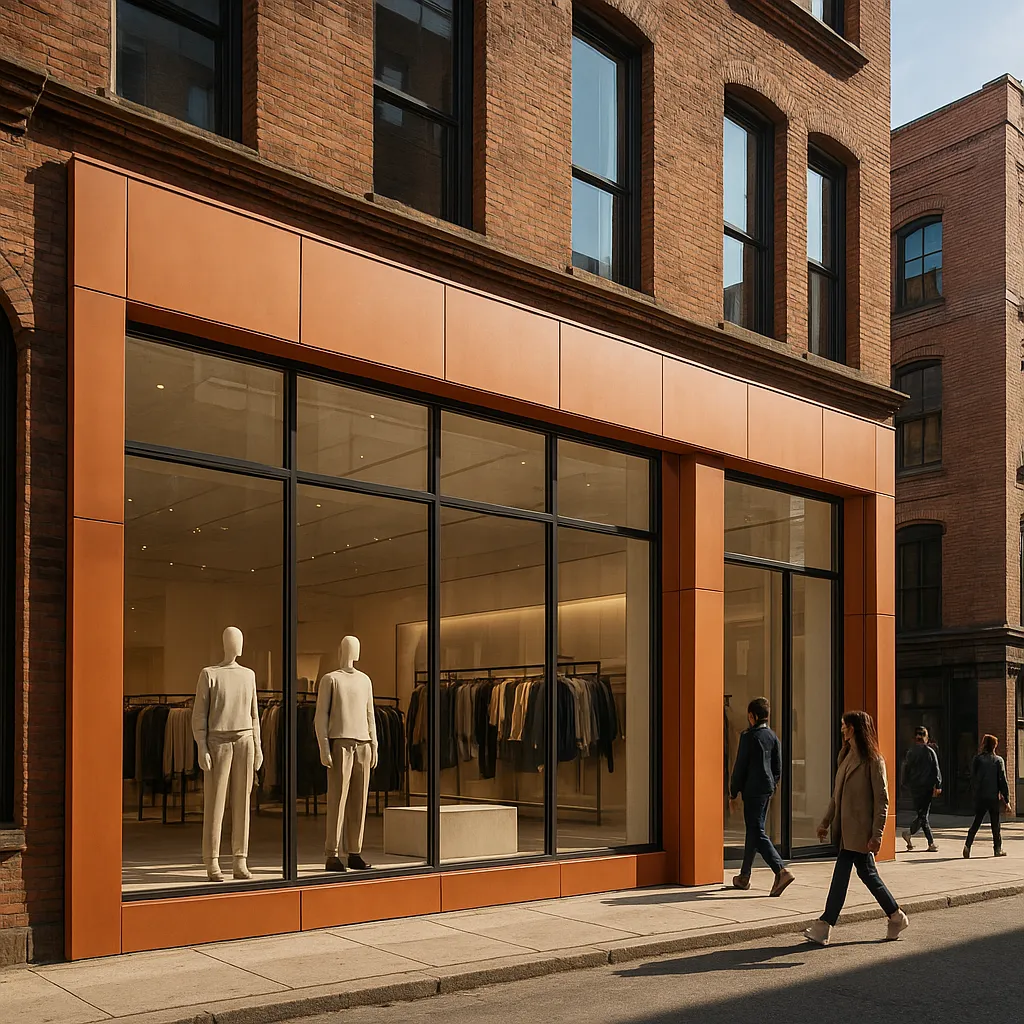
The store’s architectural concept draws directly from the neighbourhood’s industrial past. Seongsu is known for its brick buildings, and the design team chose to link that heritage back to Lacoste’s own origins on the tennis court.
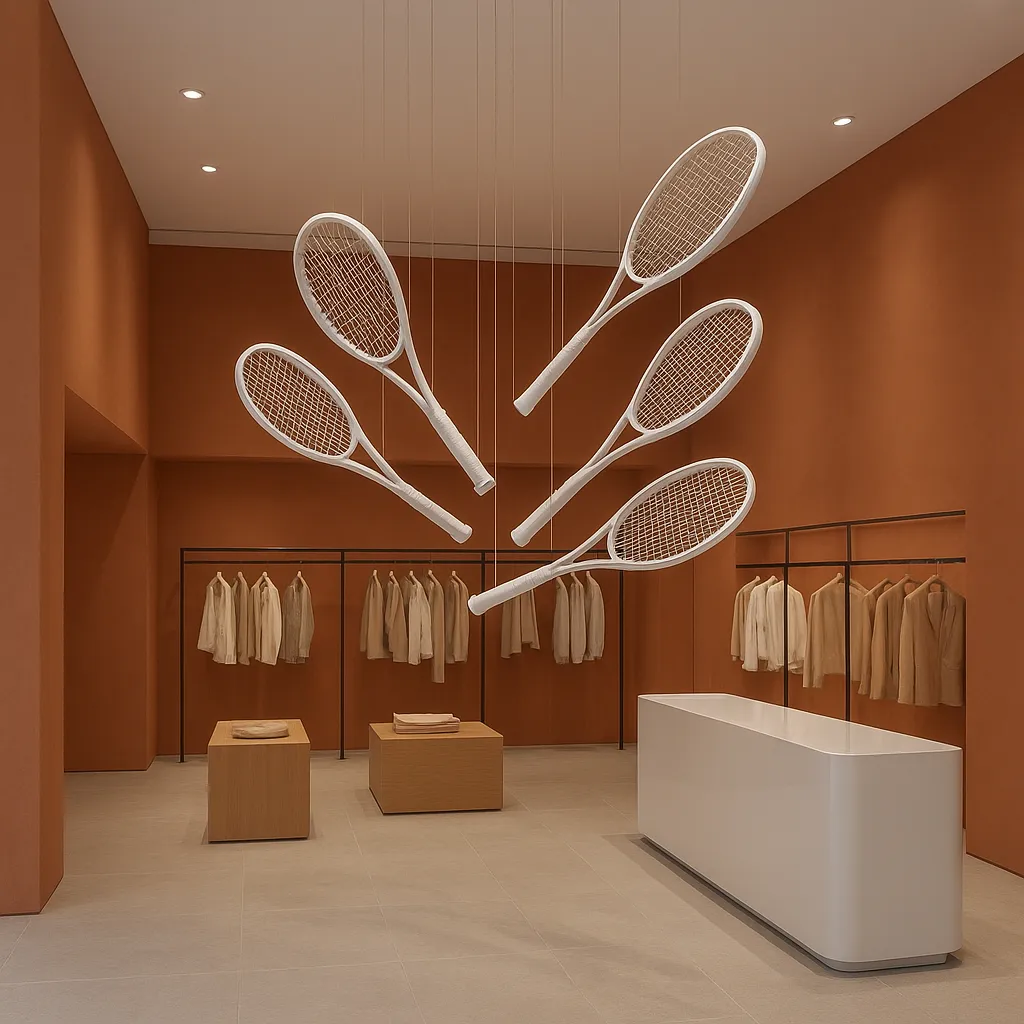
Two colours carry the interior. Terracotta refers simultaneously to the red-brick facades of Seongsu and to the clay courts of Roland-Garros. White echoes the dress codes traditionally associated with tennis. The pairing runs throughout the entire scheme, giving continuity between the shop floor, the art displays and the café area.
Art at the entrance
The experience begins at the threshold. Visitors are met by a monumental installation by the artist Mauricio Alejo, which sets tennis rackets frozen in motion within the space. The piece explores the relationship between material, structure and movement, echoing the pause and power of a stroke on court.
Further into the store, the brand has also invited Korean artists to reinterpret its distinctive emblems in exclusive works. It is a way of rooting a French heritage label in the local creative scene rather than simply importing a template.
Café Lacoste and a place to meet
The in-store café, a first for Korea, serves drinks, desserts and exclusive products. Among them is a Polo Cake, a dessert whose shape echoes the silhouette of the brand’s signature garment. Beyond retail and food, the flagship will run a programme of events dedicated to fashion, art and culture, positioning it as a meeting point open to the local creative community.
A broader Asian push
The timing is telling. The store’s arrival shortly after Lacoste’s second presentation of its autumn/winter 2026 collection in Shanghai points to a market the brand treats as a long-term priority. By pairing runway visibility with a high-profile physical space in Seoul, Lacoste is putting weight behind both its image and its bricks-and-mortar footprint in Asia.
If the strategy holds, expect more of this format: stores designed less as points of transaction and more as cultural addresses built around art, food and local creative talent.