Jack Wolfskin
Jack Wolfskin Reinvents Itself with a Focus on Thru-Hiking
Jack Wolfskin is relocating to Eschborn and refocusing under new owner Anta, putting thru-hiking, functional gear and brand excitement at the heart of its strategy.

A new home, a new chapter
Jack Wolfskin is moving. After almost three decades based in Idstein near Wiesbaden, the outdoor brand is shifting its headquarters to Eschborn, on the edge of Frankfurt am Main. The relocation is the most visible symbol of a much deeper transformation that has been quietly reshaping this German heritage label.
Founded in 1981, Jack Wolfskin has passed through several owners. Its most recent change came in 2025, when Chinese sportswear group Anta took over from US golf specialist Callaway, which had held the brand since early 2019. Anta is a seasoned brand builder: it is a major shareholder in Amer Sports, whose portfolio includes Arc’teryx, Salomon and Wilson, and it has also acquired a 29 percent stake in Puma.
The pawprint logo has, over the years, sat on a broad and sometimes inconsistent range of products – cycling and ski apparel, premium lifestyle pieces and technical outdoor equipment. Against that backdrop, the question facing the brand is a simple one: how clearly will it be positioned from here, and what fresh momentum can the new owner bring?
Jason Isenberg, Jack Wolfskin’s chief marketing officer, is clear about the answer. The brand intends to sharpen its profile, rekindle consumer enthusiasm and chase new growth. At the centre of that plan sits a genuinely specific specialism: thru-hiking, the discipline of walking a long-distance trail from one end to the other.
Product first, marketing second
Anta’s approach, as Isenberg describes it, follows a consistent order across the brands it owns. The product is refined first. Retail follows. Only when those foundations are in place is marketing significantly expanded.
That sequencing appeals to him. Without a compelling product, he argues, marketing amounts to an empty promise. It is also vital that the brand meets, in store, the expectations it creates elsewhere – and only then should it speak more loudly about itself.
So far, little has changed in day-to-day retail operations. Locations and sales per store are assessed much as before, though with a stronger eye on long-term development. What has changed is the level of capital behind the brand, which brings greater flexibility.
Rebuilding excitement around a well-known name
Awareness is not Jack Wolfskin’s problem. In Germany, Isenberg estimates that more than 95 percent of people know the brand. The task is not to make the name familiar but to make it exciting again – a quality that has flagged in recent years amid strategy shifts and changes in product focus.
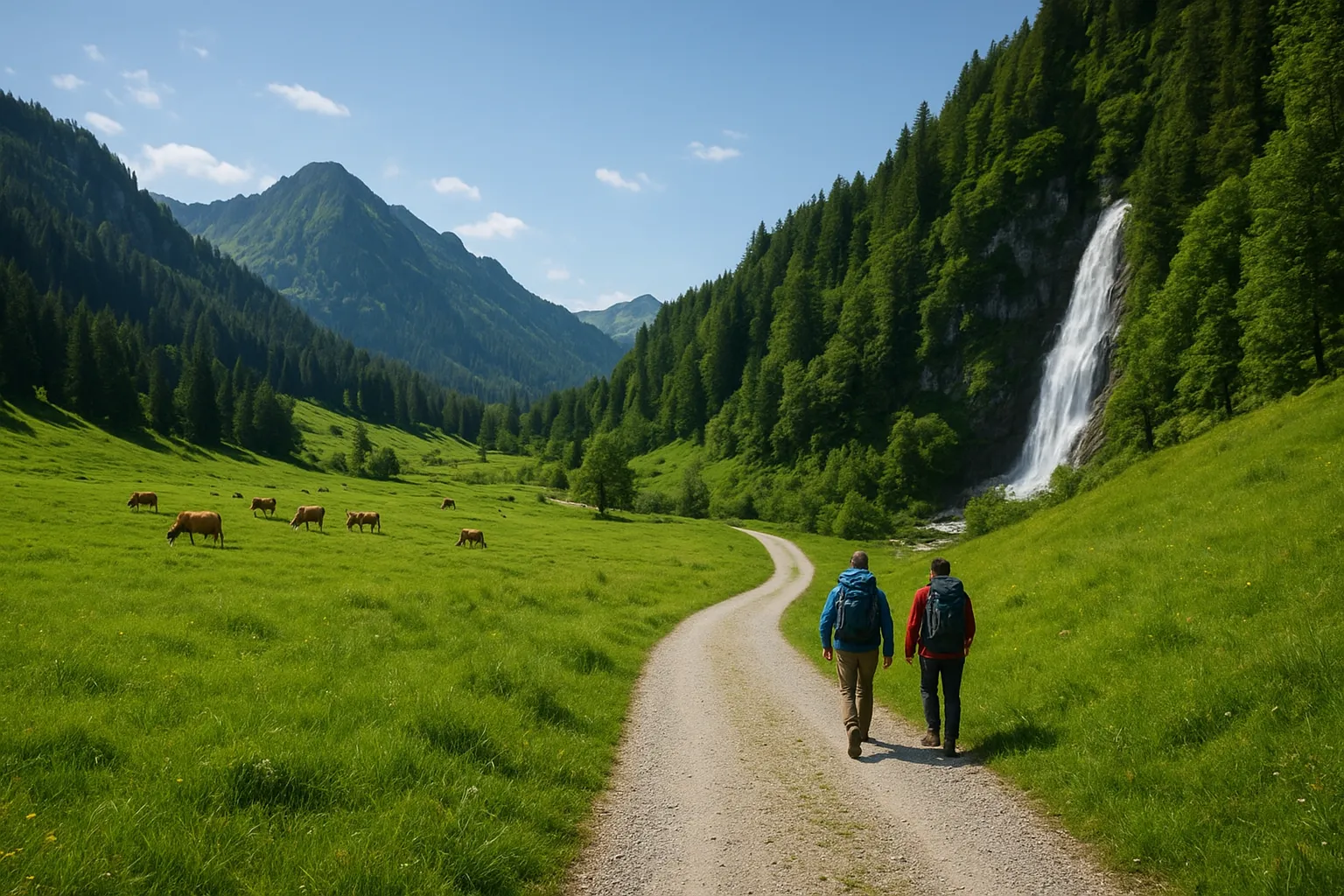
The chosen method is direct contact. The brand’s Wolf Trail, a long-distance hike organised with its athletes, invited participants on three- to four-day guided walks at no cost. Guides accompanied each group, evenings were spent around a campfire, and tents were transported to the next stage of the route. Five such events took place, and within a short time perceptions began to shift. Many participants said afterwards that they saw Jack Wolfskin in a completely different light.
Traditional media spend remains an option, but Isenberg is convinced that perceptions change when the brand spends time with customers and gives them access to its resources, expertise and athletes.
Reaching younger generations
One unexpected outcome: participants skewed considerably younger than anticipated. Alongside long-standing customers, plenty of people in their twenties and thirties turned up. Younger audiences, Isenberg notes, are often more willing to try something new – including setting off on a multi-day hike with strangers.
On Strava, the activity-tracking platform, hiking clubs are among the fastest-growing club categories. Interest in hiking is rising among Gen Z and increasingly Gen Alpha, something Isenberg also sees in his own children. Part of the appeal, he suggests, is a deliberate counter-movement against screen time.
Learning from the lifestyle detour
Many outdoor brands drifted towards lifestyle positioning in recent years, Jack Wolfskin among them. Isenberg, who came to the company from Puma, recognises the challenge from the sports sector. A sports or outdoor brand, he argues, builds credibility through functional benefits. Without that, it becomes a fashion brand chasing trends – a risky place to be, because fashion swings sharply.
The plan is therefore to concentrate on products with genuine functional value. Lovely as it is when a Jack Wolfskin jacket turns up in a café, the starting point and core focus remain functional outdoor kit.
Stores built for hikers
Own retail still matters. Investment is planned in Munich and Garmisch-Partenkirchen, the latter an important hub for outdoor activity. Zurich and Innsbruck are also on the radar for future locations. In Germany and Austria, the logic goes, the brand needs to be present where outdoor pursuits actually happen.
Across Europe there are currently around 200 Jack Wolfskin stores – a figure that has declined slightly of late, in line with many other brands.
The new store concept is designed to feel like a familiar place for hikers, somewhere they feel at home. A central element is the equipment area – what Isenberg calls the gear cave – where details such as weight, pack size and technical specifications matter, and where customers can ask questions, compare products and talk to staff who know what they are talking about.
That means recruiting the right people: staff who have been out on the trails themselves and used the products, so they can explain the benefits credibly. The aim is an environment that encourages conversation and makes the outdoor experience tangible inside the shop.
A portfolio of friendly rivals
Overlap with other Anta brands, such as Kolon Sport, is treated with relative calm. A degree of friendly competition within the portfolio is actively encouraged, with brands benefiting from one another while also pushing each other. Kolon is not currently present in Europe; should that change, it would become another competitor to reckon with.
Trail running and the wider product map
Trail running is booming, and many outdoor brands are leaning into it. Jack Wolfskin is interested. There are no dedicated product lines yet, but Isenberg is confident the category will be entered in future.
The overlap between thru-hikers and trail runners is considerable: athletes often do both, and the concept of fastest known time (FKT) – the quickest recorded time on a given route – connects the two communities. Many of those athletes use trail running gear, which makes the category a natural extension.
The current range covers backpacks, travel bags and similar products. Tents are not offered at present, though Isenberg expects that could change before long.
Taking the message international
In China, Jack Wolfskin is already established. The pawprint is widely recognised, and the Western brand name carries an advantage, since Western brands are held in high regard there and can convey a certain status. The Made for Further message travels well too, because the fundamental motivations for spending time outdoors are similar worldwide.
Communication is adapted to local culture. In China, community plays a larger role – hiking with friends, and doing something for mental wellbeing, are important themes. In Western markets, the appeal leans more towards the individual.
In Europe, outdoor gear tends to be associated with mountain sports, whereas in China outdoor clothing is often worn in daily life, including on the commute. Isenberg has visited China for around twelve years and has watched that change accelerate over the past five. Four thru-hikers are now under contract in China, deployed much as athletes are in Europe, and audiences respond in a comparable way. The gaps between markets are smaller today than they were only a few years ago.
Growth priorities and a greener footing
The economic climate is difficult, both in Europe and globally. The whole outdoor industry is under pressure, and Jack Wolfskin has not invested enough in its brand in recent years: awareness is high, excitement less so. Even so, Isenberg sees potential, since the brand occupies a specific niche through its products, athletes and activities that it intends to strengthen. Competition is fierce and many brands are positioned similarly, so clearer differentiation is essential – with long-distance hiking, and thru-hiking in particular, at the centre. Other brands will surely enter the segment, but for the first time in years Jack Wolfskin is taking a pioneering role. Holding that focus will be decisive.
Germany remains the home market and the top priority. In the near term, though, the growth engine is China: earnings there are meant to fund heavier reinvestment in the brand in Europe, and especially Germany, over roughly the next three years. After that comes a smart re-entry into North America, with further opportunities in Europe – South Tyrol already has a store and is earmarked for more investment – and possible interest in Japan and Australia. The order is plain: China first, then Germany, then North America, then Europe as a whole.
On sustainability, the effort has not weakened; if anything, Isenberg believes the brand is doing more than three years ago. Stricter European standards are seen as positive, and expertise within the Anta group can help. Consumer conversations, however, show that sustainability rarely ranks among the top five purchase criteria – partly because so many brands make similar claims that differentiation is difficult. Price and functionality remain decisive. The activities continue, but the emphasis in communication has shifted, with sustainability tending to rank third or fourth.
As for trade shows, Jack Wolfskin will skip this year’s Ispo debut in Amsterdam. The decision was weighed carefully; having not exhibited for the past two years while still holding numerous talks with key wholesale partners at their premises and in showrooms across Europe, the brand felt a trade show offered insufficient added value. It will look at the new venue and hopes to return next year, and it does expect to be present at OutDoor in Riva del Garda.