Futurmoda
Futurmoda 2027: Leather & Footwear Trends in Elche
Futurmoda's 56th edition in Elche drew nearly 3,800 visitors and 171 exhibitors, showcasing leather, components and AI for autumn/winter 2027/2028.
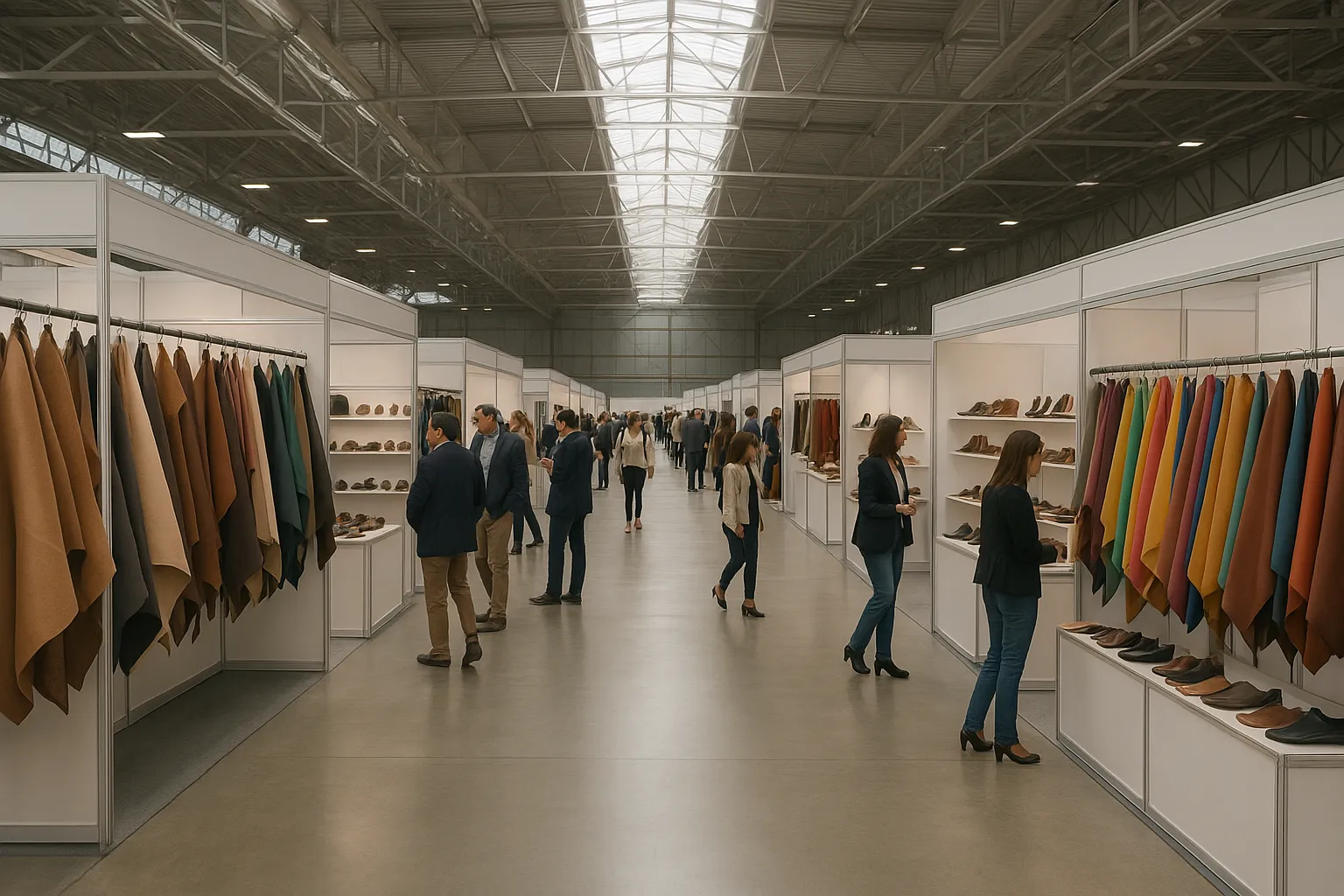
Futurmoda wraps up in Elche with strong turnout and a focus on innovation
The 56th edition of Futurmoda, Spain’s key trade fair for suppliers to the footwear and leather goods industry, drew nearly 3,800 visitors over two days in Elche this October. The event, which ran on 14 and 15 October at the IFA-Fira Alacant venue, brought together 171 exhibiting companies, ten of them first-time participants, and underlined the sector’s international reach and appetite for new ideas.
Organised by the Spanish Association of Footwear Component Companies (AEC), Futurmoda serves as a meeting point for manufacturers of leather, fabrics, components and machinery. This year’s offerings spanned the full supply chain, giving buyers and designers a comprehensive view of the materials and technologies shaping autumn/winter 2027/2028.
Visitor numbers close to target
Attendance, which includes both trade professionals and the general public, came close to the organiser’s goal without quite reaching it. “We had set expectations of over 4,000 visitors and we have practically reached that number,” said Álvaro Sánchez Concellón, director general of AEC. He nonetheless described the outcome as “very satisfactory”.
The director also highlighted the international profile of those attending. Alongside European buyers, the fair welcomed visitors from North Africa, the United States and Asia who were keen to discover what Spanish firms have to offer. “We are satisfied with the results the companies have achieved,” he added.
Conversations that matter
Beyond the stands, the fair’s programme centred on three pressing issues for the industry: protecting design and intellectual property, strengthening competitiveness, and integrating artificial intelligence into business management. These themes were explored in the Expert Forum, where exhibitors and experts exchanged practical approaches to the challenges facing suppliers.
Meanwhile, the Trend Forum, which includes the Futurmoda Green Planet space, curated exhibitors’ new products by trend, giving visitors a clear visual guide to the season’s directions. On the Wednesday afternoon, eight finalists competed in the final of the Footwear Design Jam 2026, a footwear design competition promoted by 3DSoul and the FICIA Foundation, adding a dynamic, forward-looking note to the event.
Looking ahead to March 2027
AEC is already preparing for the next edition, scheduled for March 2027. According to Sánchez Concellón, conversations with prospective exhibitors began on-site during this fair. The forthcoming event will feature machinery manufacturers and other relevant companies that have expressed interest in taking part. “We hope to maintain the same level of participation and even exceed it,” he noted.
Before that, on 20 October, the association will unveil the spring/summer 2028 trends in collaboration with consultancy Trendstop. The presentation, which is free and open to the public, will take place at 7:00 pm at the Elche Congress Centre — a date for the diary for anyone following the direction of travel in Spanish footwear and leather goods.
With a solid turnout, a genuinely international audience and a programme that tackled both creative and operational concerns, Futurmoda once again demonstrated why it remains a fixture for suppliers and buyers alike. The combination of a broad exhibitor base, focused debates and a keen eye on future seasons positions the fair as a useful barometer for the industry as it navigates design protection, competitiveness and the adoption of AI.
For companies across the supply chain, the message from Elche is clear: the market is changing, and events like Futurmoda offer a valuable opportunity to keep pace with those changes while forging the relationships that underpin the sector’s resilience.