Textile Industry
France's Textile Revival: Inside the 2032 Reshoring Plan
A bold new strategy aims to boost French-made clothing from 3% to 10% by 2032, with investment in flax, hemp, recycling and 55,000 jobs.
A bold target for French-made clothing
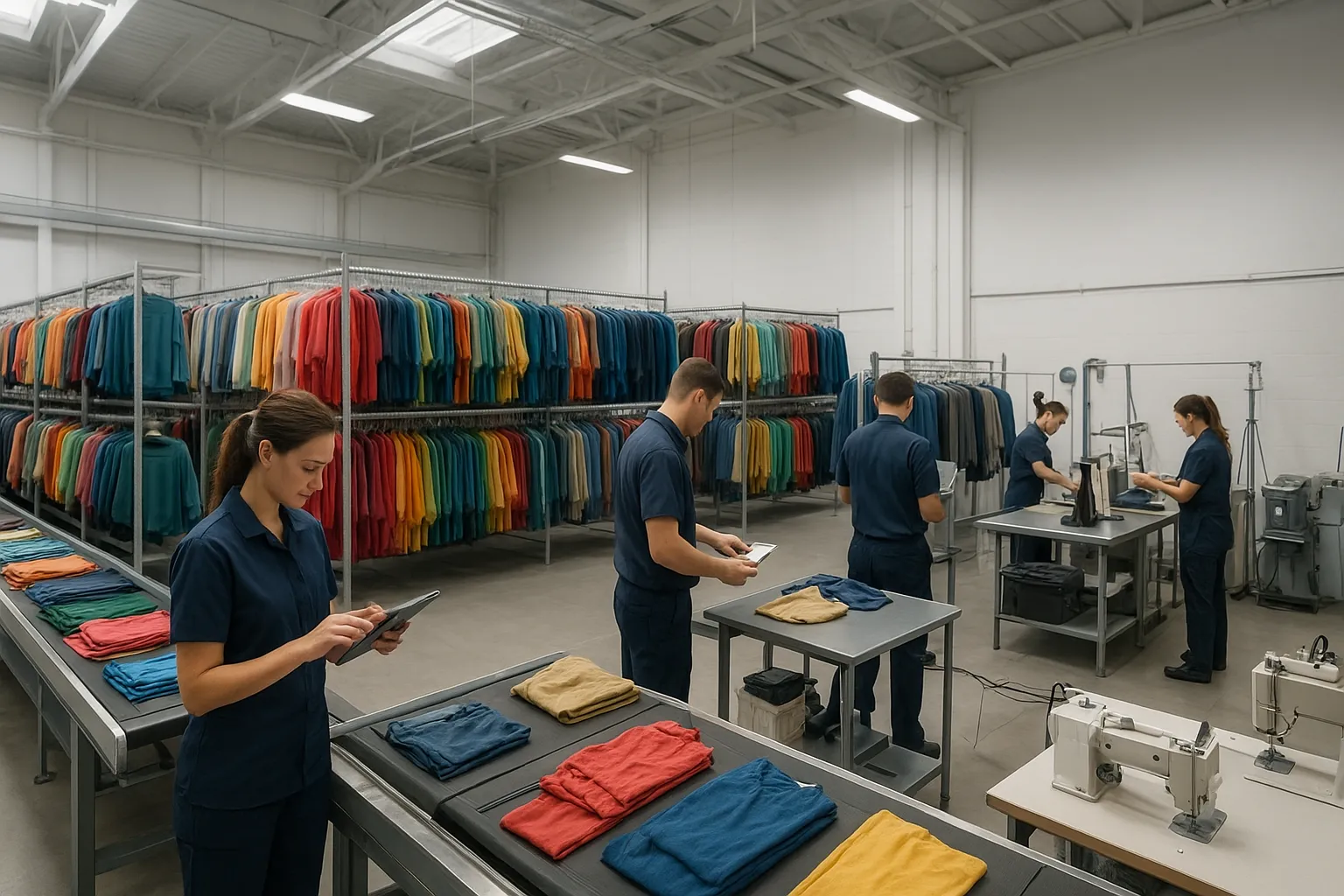
Only about 3% of the garments bought in France today are actually made in the country. A new industrial strategy aims to change that dramatically: by 2032, the goal is for 10% of new clothing sold in France to be manufactured domestically. The plan, described as a “productive investment plan” for the textile sector, was presented by Jean-Luc Mélenchon, the La France Insoumise (LFI) presidential candidate, during a visit to the Made in France trade show.
The ambition is not simply to increase output but to rebuild an entire ecosystem — “from crop cultivation to garment manufacturing, including processing.” That means creating a genuine mass-market apparel industry capable of competing on price as well as on ethics.
The numbers involved are significant. Reaching the 10% target would require an additional 80,000 tonnes of French-made garments per year, mobilising €3.45 billion over the five-year presidential term. The investment plan, which has been seen by Agence France-Presse, sets out how that money would be spent.
Rooted in the soil: flax and hemp
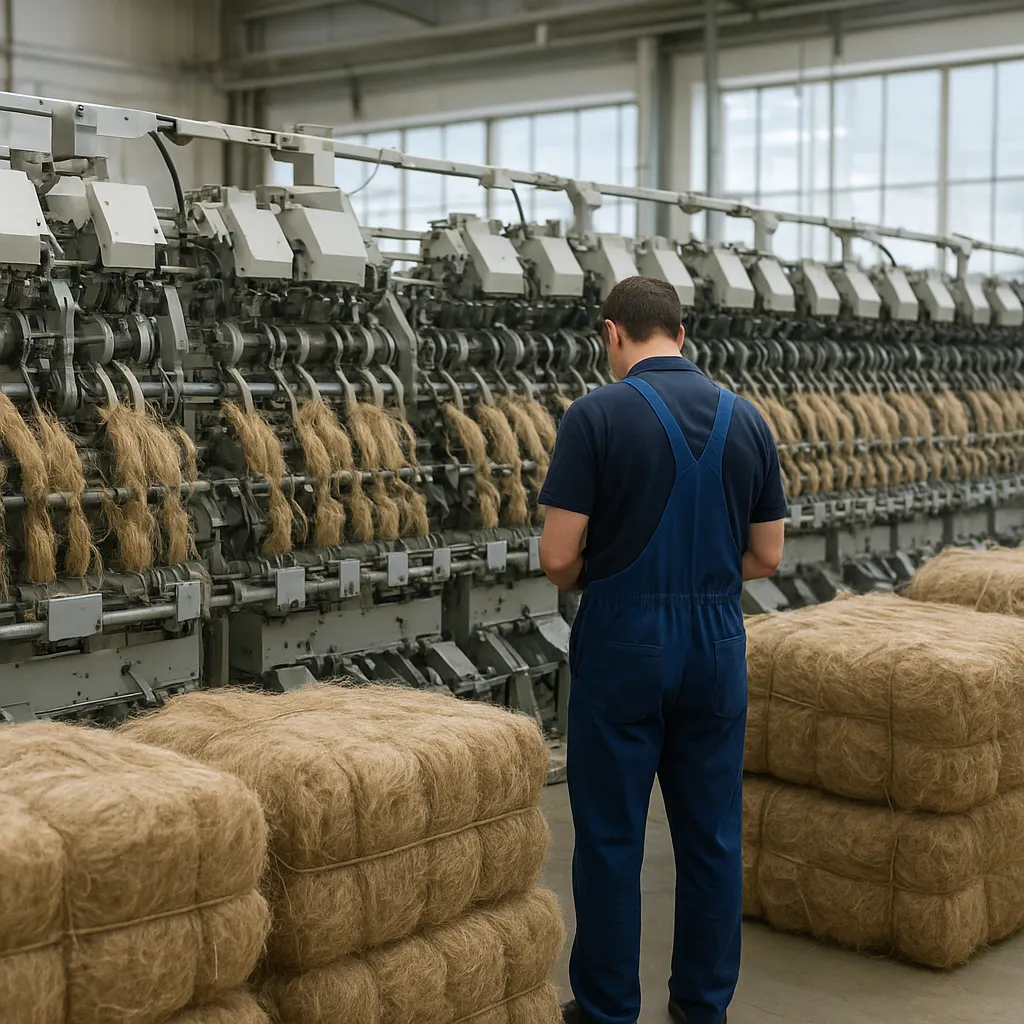
A cornerstone of the strategy is the widespread development of sustainable local crops. Flax and hemp are central to this, with cultivation areas set to expand by 40,000 hectares each. That would bring flax to 240,000 hectares and hemp to 65,000 hectares.
These fibres are already grown in France, but the plan calls for scaling up production to feed a revived domestic supply chain. The strategy also outlines the reshoring of industrial processing, spinning and weaving — the intermediate stages that have largely moved abroad over recent decades. Without those links in the chain, French-grown fibre cannot easily become French-made fabric.
Making French clothing affordable
One of the biggest challenges for any reshoring effort is cost. To keep prices down for the general public, the plan relies primarily on a “volume-based approach” and automation. The idea is to support the emergence of a sustainable mass-production sector through a dedicated public fund, allowing French factories to achieve economies of scale.
Public procurement is another lever. With an estimated €722 million per year spent on public clothing purchases, the state could guarantee market outlets for the entire supply chain — from farmers to finishers. This would provide a stable demand base for businesses investing in French production.
Protecting domestic production
To shield this emerging industry from dumping and unfair competition, LFI proposes several protective measures. These include mandatory quotas for private corporate apparel procurement, ensuring that companies buying uniforms or workwear source a share from domestic producers.
A “bonus-malus system” would tax the most polluting imported garments, creating a financial incentive to choose lower-impact options. The plan also calls for a ban on hazardous chemicals in clothing and the creation of a national platform for French apparel to promote domestically made goods.
A circular economy for textiles
The strategy also places heavy emphasis on reuse and recycling. The objective is for 25% of garments placed on the market in France to come from reuse or the circular economy, with public management of this sector. By 2032, the plan targets 70,000 tonnes of reused textiles in France and 200,000 tonnes of recycled textiles, compared with 60,000 tonnes today.
This would require significant investment in collection, sorting and recycling infrastructure. It also implies a cultural shift — encouraging repair, resale and responsible consumption alongside the production of new garments.
Jobs and training
A major national training plan, developed with France Travail, aims to create at least 55,000 direct jobs in the sector. The plan also provides an additional €10 million per year in support for technical textiles — a high-value segment used in medical, automotive and industrial applications.
What stands in the way?
Rebuilding a textile industry is a long-term project. The plan depends on sustained investment, access to raw materials, the availability of skilled workers, and the ability to compete with low-cost imports. It also requires coordination across agriculture, industry, retail and public authorities.
The 10% target by 2032 is a measured ambition, not a return to the heyday of French textile manufacturing. But it sets a direction of travel: fewer garments made on the other side of the world, more made at home, and a supply chain designed with sustainability and circularity in mind.