Digital Fashion
FashionTEX Riga 2026: Digital Fashion's Student Showcase
FashionTEX Digital Fashion Show 2026 in Riga unites 11 European fashion schools using LED virtual production to merge physical garments with 3D design and animation.

The Future of Fashion Takes the Stage in Riga
On 1 October 2026, the historic city of Riga will host a groundbreaking event that bridges the gap between traditional craftsmanship and cutting-edge technology. Students from 11 European fashion institutions will converge at the LED Unit Virtual Production Studio for the FashionTEX Digital Fashion Show. Part of the second annual FashionTEX Festival, this showcase highlights how emerging designers are integrating physical garments with 3D design, animation, and immersive virtual environments.
Where Physical Meets Virtual
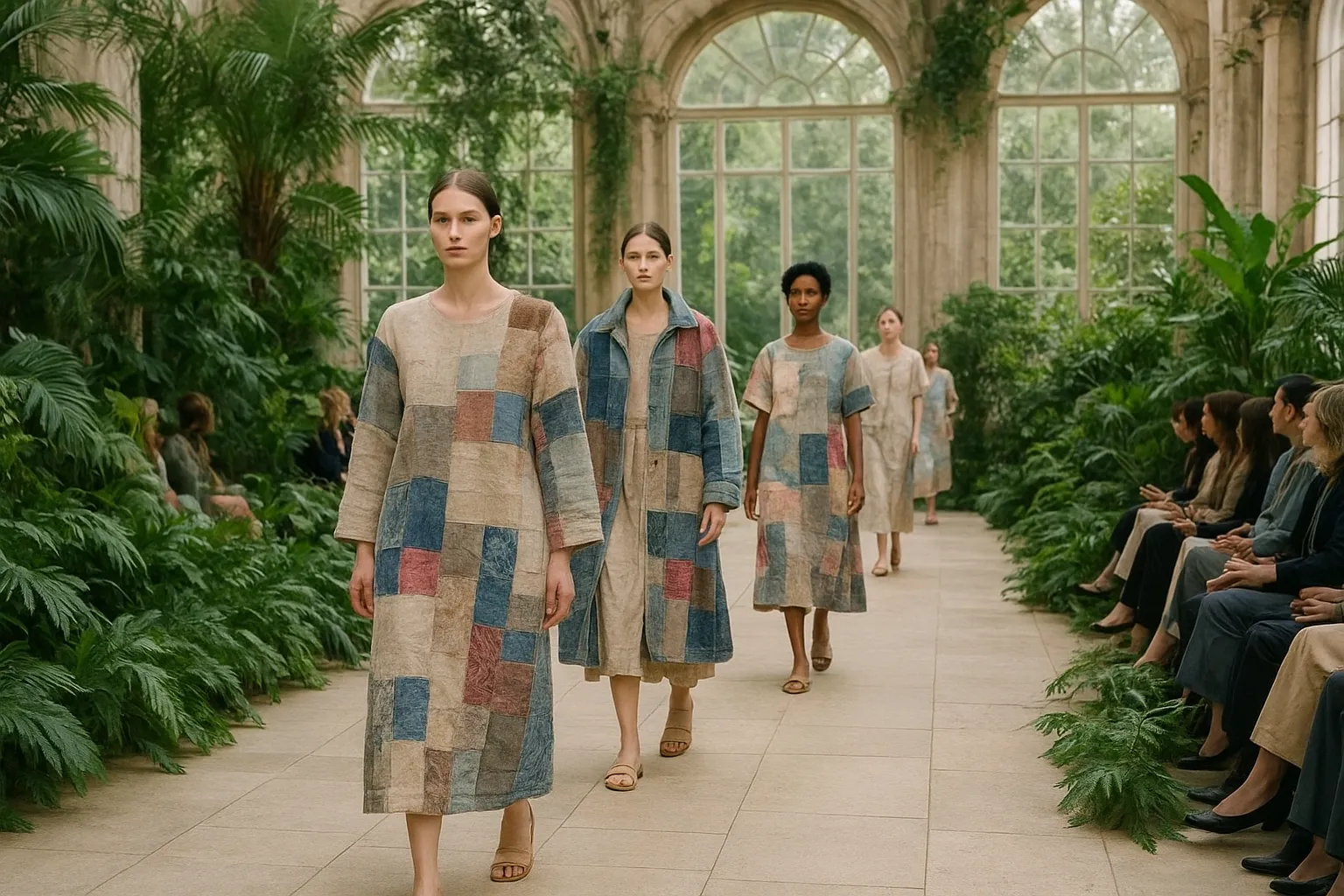
The FashionTEX Digital Fashion Show is not a typical runway presentation. It leverages real-time virtual production technology, employing LED volume walls and tracking systems more commonly associated with film and television production. By placing tangible, handmade garments within digitally rendered backdrops, the event explores a hybrid model of fashion presentation that reduces the logistical demands of traditional runway shows and the need for extensive physical sample production.
This approach allows student designers to demonstrate a wide range of technical abilities. From digital textile simulation and 3D prototyping to visual storytelling, participants are proving that the next generation of fashion professionals is as fluent in software as they are with a sewing machine.
A Curriculum for the Digital Age
The initiative reflects a broader shift within European fashion academia. Institutions are increasingly embedding technological skills into their core curricula, teaching 3D design alongside traditional garment construction. This evolution is a direct response to industry demand for digital prototyping, supply chain efficiency, and reduced material waste.
FashionTEX offers a tangible model for how universities and colleges can align student training with the evolving technical demands of the fashion industry. By fostering competencies in virtual environments, academic programmes are preparing graduates for roles that span design, production, and digital marketing.

What to Expect from the Showcase
Attendees at the LED Unit Virtual Production Studio can expect a dynamic blend of live and pre-recorded elements. Student projects will be presented as part of the FashionTEX Festival, offering a glimpse into the future of fashion communication. The use of virtual production not only minimises the carbon footprint associated with travelling samples and staging physical sets but also opens up creative possibilities for narrative-driven presentations.
Participating students will demonstrate capabilities in:
- Digital textile simulation and fabric rendering
- 3D garment prototyping and iteration
- Real-time animation and virtual environment design
- Integration of physical construction with digital presentation
Why It Matters
The FashionTEX Digital Fashion Show is more than a student exhibition; it is a signal of where the industry is heading. As fashion brands seek to streamline development processes and reduce waste, the ability to prototype and present collections digitally becomes a competitive advantage. By providing a platform for students to work with industry-standard virtual production tools, the festival helps bridge the skills gap between education and employment.
For visitors to Riga, the event also positions the city as a hub for creative technology in the Baltic region. The second annual FashionTEX Festival underscores a commitment to innovation, making it a key date for anyone interested in the intersection of fashion, technology, and education.
A Model for Academic Collaboration
With 11 European institutions involved, the showcase demonstrates the power of cross-border collaboration. Students benefit from shared resources, diverse perspectives, and a common goal: to push the boundaries of what fashion can be. As digital tools become more accessible, initiatives like FashionTEX ensure that emerging designers are not just consumers of technology but active innovators shaping its application in the fashion world.
The FashionTEX Digital Fashion Show in Riga is set to be a defining moment for digital fashion education in Europe, illustrating how tradition and technology can coexist to create something entirely new.