Fashion Education
Fashion Degree That Bridges Design, Retail and Textile Science
How one US university's merchandising, textiles and design degree blends retail analytics, textile science and garment construction to open corporate fashion careers.
A Degree Built for the Whole Apparel Business
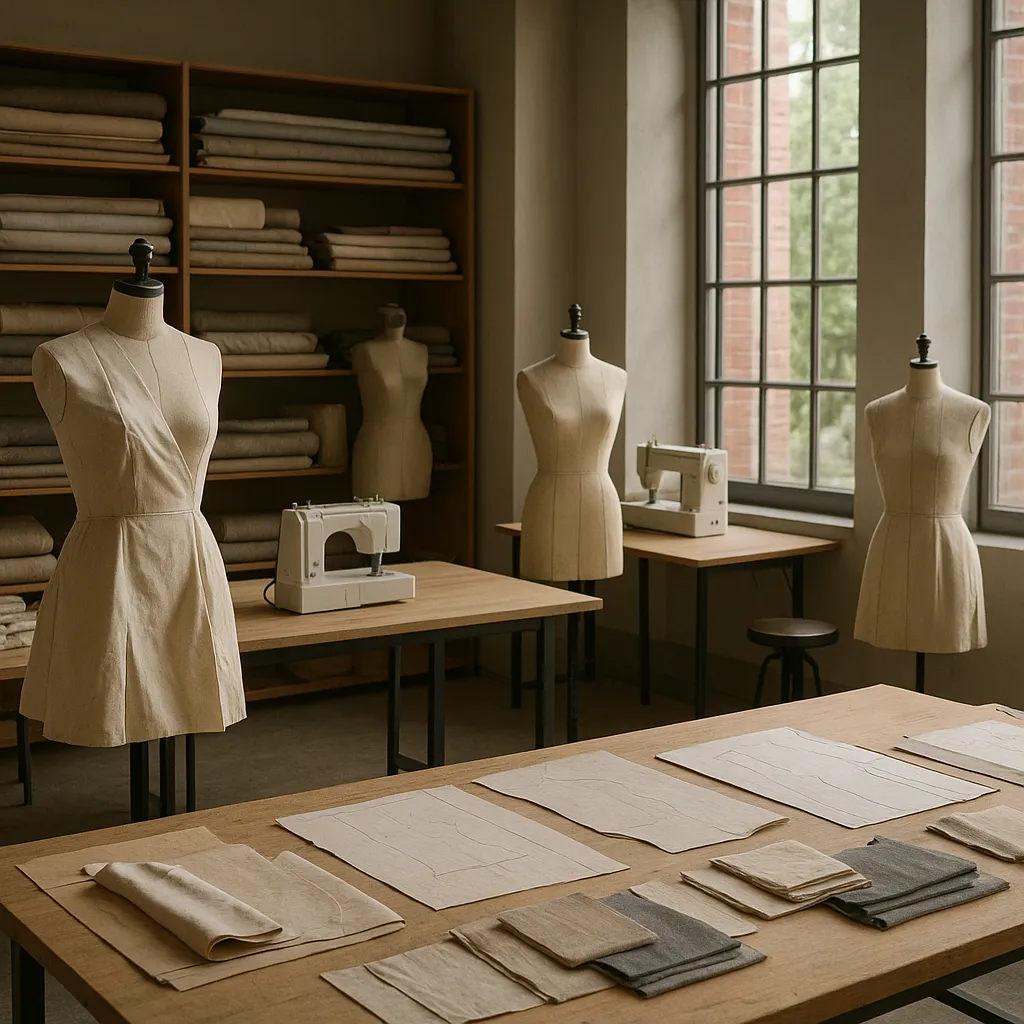
Most fashion courses ask students to choose a side. They can learn to drape and construct, or they can learn to buy, forecast and sell — but rarely both in one accredited programme. One public university in the southern United States has taken a different route, reshaping its fashion offering so that commercial retail analytics, textile science and garment construction sit inside a single course of study.
The Merchandising, Textiles and Design programme sits within the Department of Human Sciences and positions itself as a cross-disciplinary springboard into corporate retail and creative leadership. Its three-part structure is deliberate: rather than treating technical design and merchandising as rival silos, it mirrors how modern apparel organisations actually work, where creative decisions are increasingly tied to supply chain realities and data-driven merchandising strategies.
Closing the Gap Between Studio and Store Floor
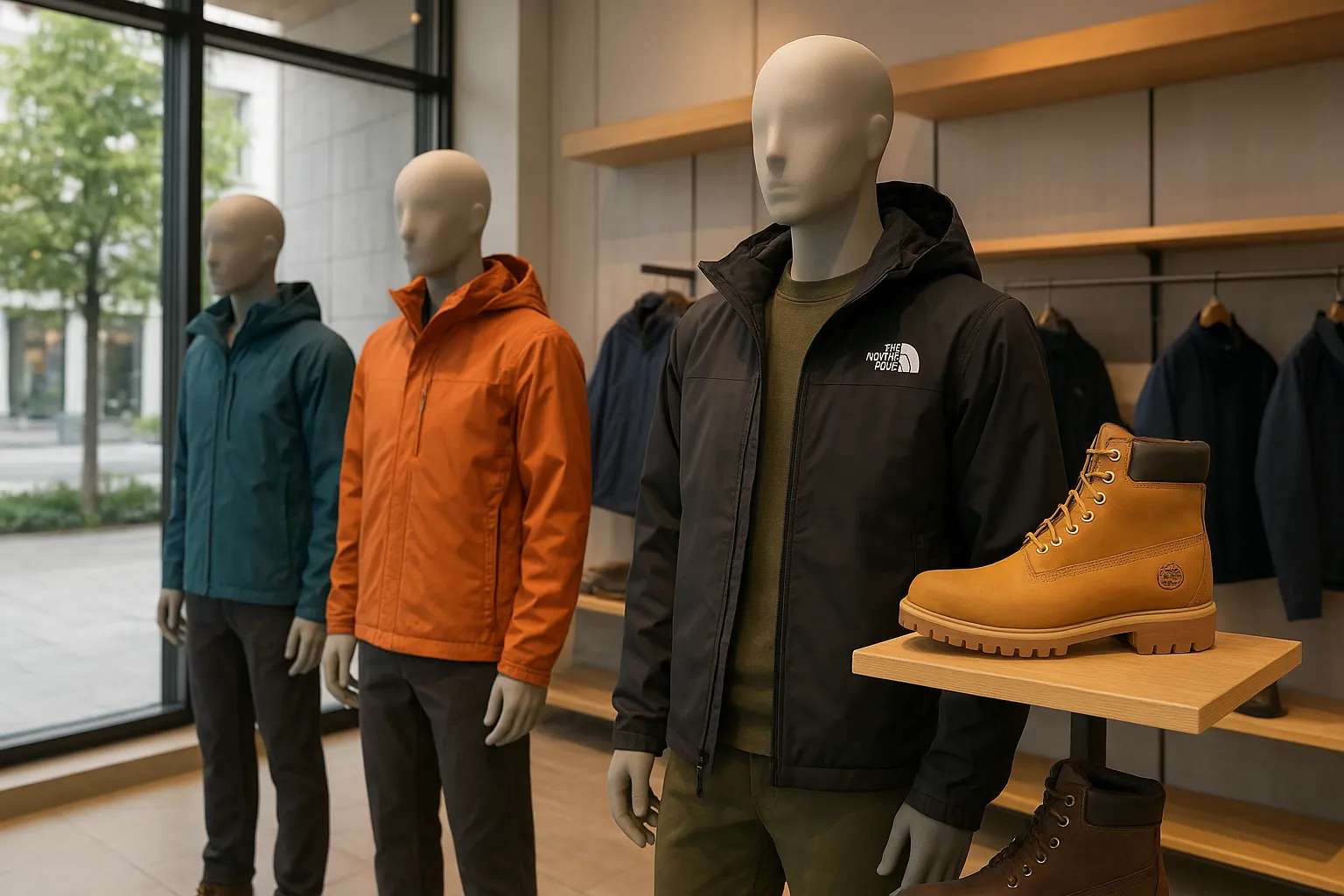
The disconnect it addresses is a familiar one in fashion education. Traditional curricula tend to produce graduates who can make beautiful things but struggle to read a buying sheet, or commercially sharp graduates who cannot tell a warp knit from a woven. The programme’s operational focus is hands-on technical competency paired with broader market literacy — the practical ability to make, combined with the analytical ability to understand what the market will buy.
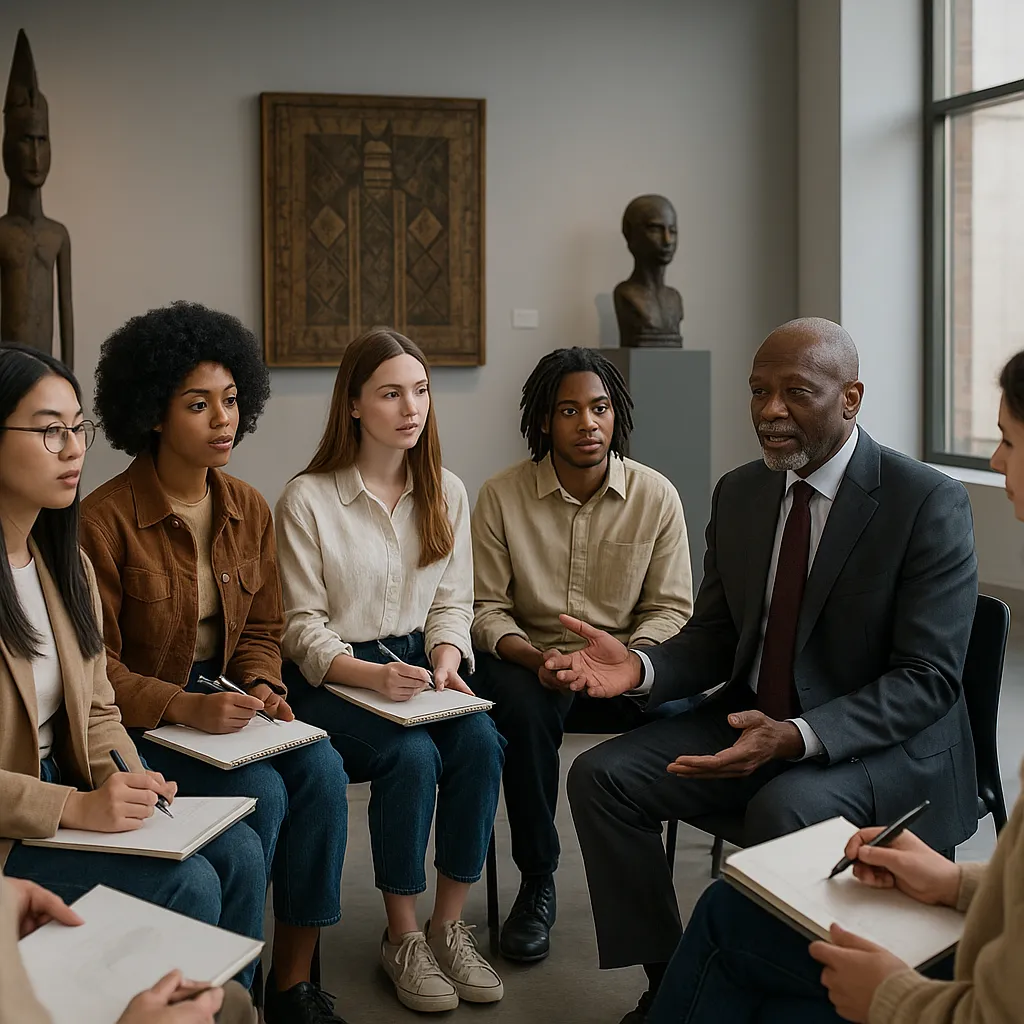
Instructor Dr. Yunru Shen describes training that runs across retail buying, consumer behaviour analysis and portfolio development, so that students leave with both a body of work and a grasp of the numbers behind it. Because these are taught together rather than sequentially, material knowledge informs commercial judgement and vice versa.
Learning Beyond the Lecture Room
Classroom teaching is only part of the model. External experiential touchpoints are built into the student experience, including industry study tours to New York City and participation in regional showcases. These are not sightseeing excursions: they expose students to the pace, vocabulary and expectations of buyers, showroom teams and design departments in one of the world’s largest fashion markets, and give them something concrete to talk about when they sit in front of a recruiter.
Feeding Corporate Recruitment Pipelines
The programme’s faculty do not leave career outcomes to chance. Staff actively channel students into competitive corporate recruitment channels, including early preparation for structured retail internships with department store chains such as Nordstrom. Structured internships of this kind matter because they function as auditions: a strong placement can convert into a graduate role long before a student has finished their final year.
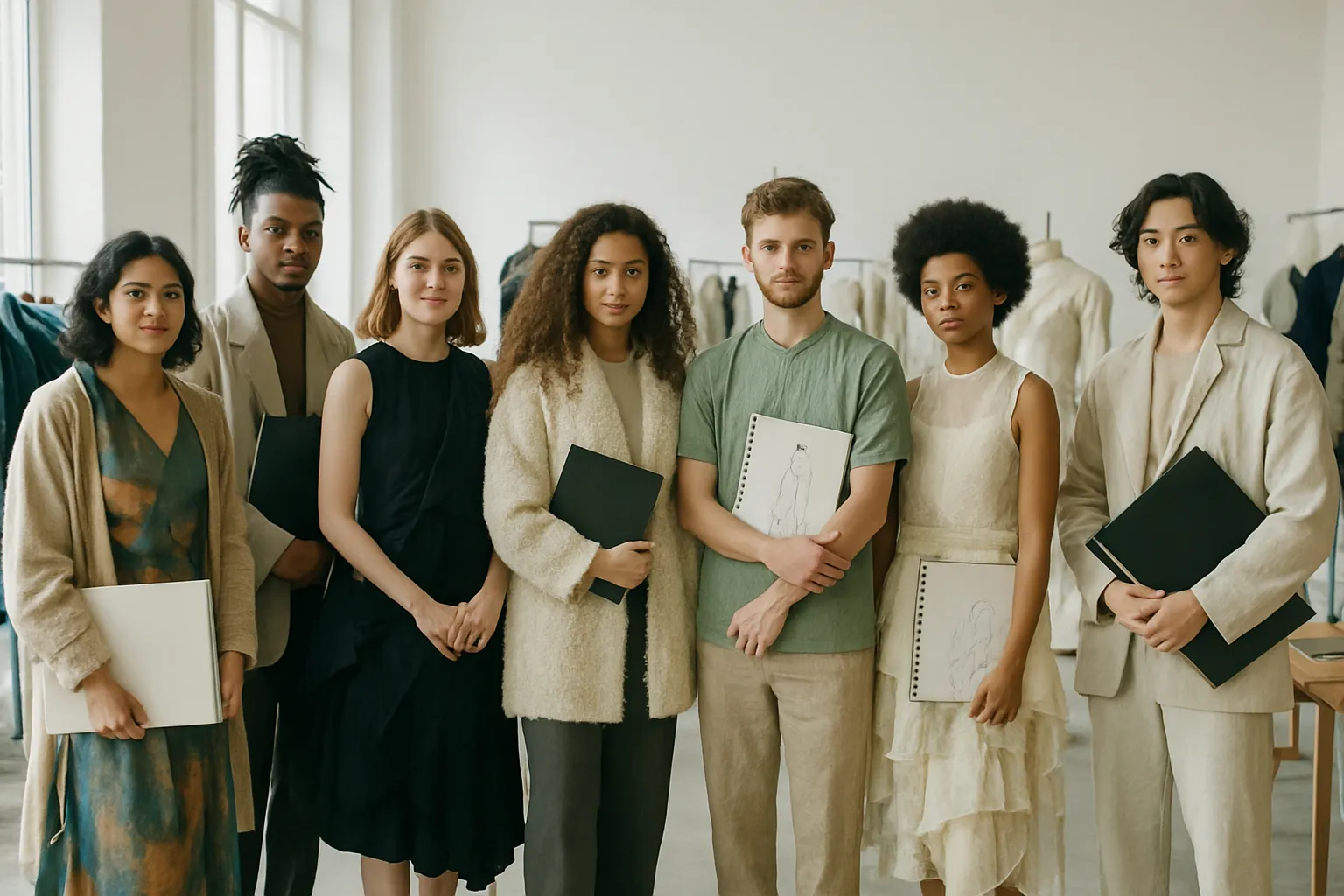
That early professionalisation is part of a wider aim of connecting regional talent with major commercial networks. Students who might otherwise never have considered a corporate fashion career are given a route into it, with the preparation and portfolio needed to compete.

Where the Curriculum Is Heading Next
Looking forward, the department is seeking external funding to enhance its design laboratory facilities and to embed emerging digital tools — specifically artificial intelligence — into design ideation. The framing is important: these tools are intended to sit alongside foundational craftsmanship, not replace it. Students still need to understand fabric, fit and construction; AI is treated as an additional instrument for generating and testing ideas, not a shortcut around making things.
That balance is likely to become a defining question for fashion education over the next decade. Institutions that teach tools without craft produce graduates who cannot evaluate output; institutions that refuse new tools risk sending students into studios that already use them daily.
Why This Model Matters
For historically Black colleges and universities, the viability of fashion and textile programmes increasingly hinges on whether they deliver tangible career mobility — across global fashion capitals and in regional economies alike. A curriculum built around technical adaptability lets graduates bypass narrow entry-level creative tracks and aim instead at retail management, product development, technical design and secondary fashion teaching.
Those roles are also more resilient. Creative roles can be scarce, concentrated in a handful of cities and vulnerable to economic cycles; merchandising, product development and technical design exist wherever garments are sourced, bought and sold.
What the programme demonstrates is a wider point: smaller public institutions can build relevant, sustainable academic models that feed directly into the corporate apparel ecosystem. By cultivating graduates who possess both analytical fluency and material understanding, it produces the kind of diverse candidate that apparel employers say they want — people who can hold a creative conversation and a commercial one in the same meeting.
For prospective students, the lesson is to look past the brochure imagery when choosing a fashion course. Ask where the alumni work, whether buying and textile science are genuinely taught alongside construction, and what access the department has to structured internships. A degree that keeps one foot in the studio and one in the buying office is better preparation for the industry as it actually operates.