Drykorn
Drykorn at 30: How an Independent German Label Endures
Drykorn marks 30 years with the Dryconic capsule collection. Founder Marco Götz reflects on independence, womenswear growth and expanding across Europe.
A brand built on a gap in the market
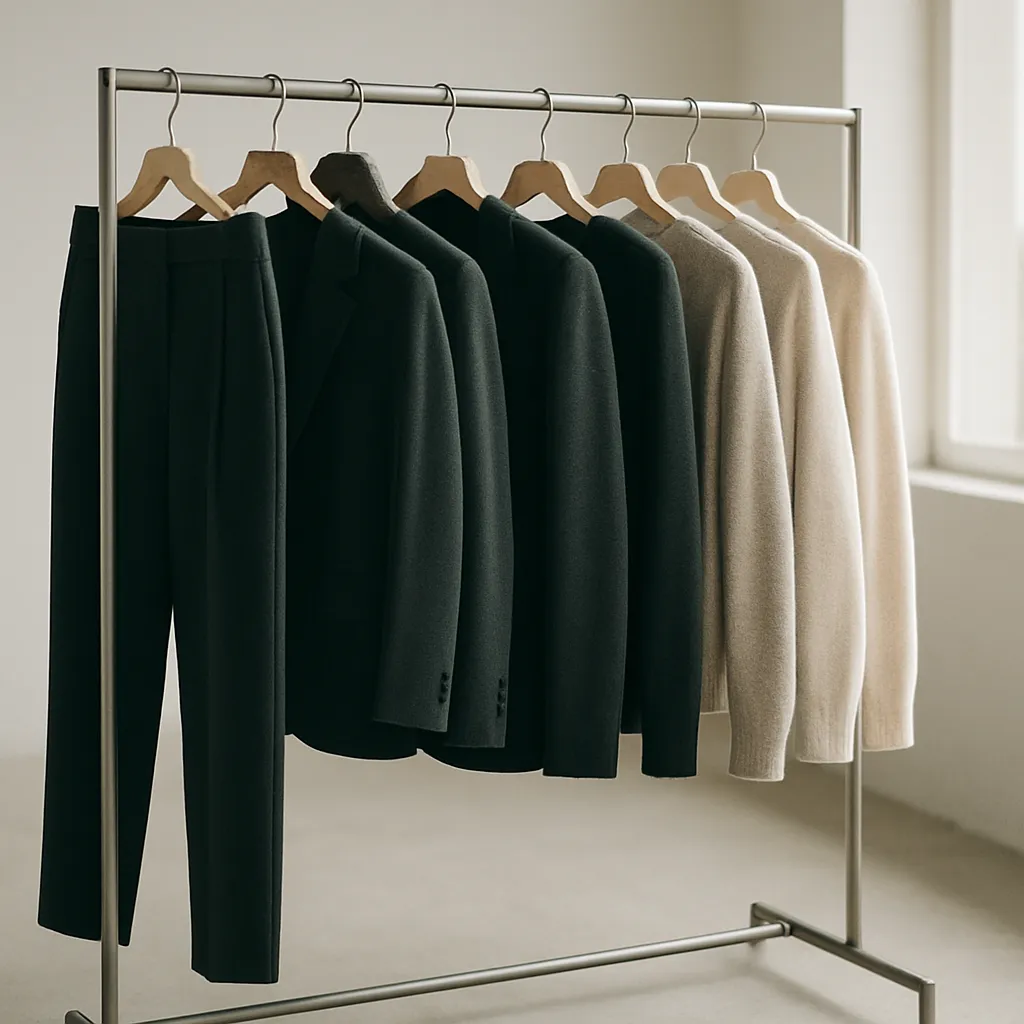
Some labels begin with a business plan, a backer and a spreadsheet. Drykorn began with a hundred pairs of black wool trousers. Marco Götz founded the company in Würzburg in 1996 without any of the usual scaffolding, working from an instinct that something was missing between the tidy world of classic menswear and the energy of club and street dressing.
Three decades on, the label is stocked in more than 1,000 multi-brand stores worldwide and has developed into a full contemporary offering for both men and women. It remains independent and owner-run, which, as Götz tells it, is less a detail of the company history than the thing that shaped everything else.
From the road to repeat orders
In the early years, growth came the unglamorous way. Götz sold his first trousers by driving to retailers himself, and he worked events such as the Loveparade in Berlin to put the product in front of people who would actually wear it. That circuit of shops, fairs and street crowds gave the young brand its first proof of concept.
The turning point was not a big account or a lucky break so much as the moment credible stores began believing in the label and coming back for more. Repeat orders, he suggests, told him something a single large sale never could: that the clothes were selling through, and that people wanted them again.
Womenswear as a pillar, not an add-on
The women’s line grew out of a single garment, a women’s trouser developed from a men’s style. It would have been easy to treat that as a side project. Instead it has become one of the principal engines of the business.
Götz is firm on the point: womenswear is not viewed internally as an extension of menswear but as a strong division in its own right, with room to develop further. Anyone who has watched contemporary labels try to bolt on a women’s offer and quietly abandon it a few seasons later will recognise that this framing matters. It shapes buying, design resources and how much space the category gets in store.
What thirty years of independence buys you
Asked what he would single out from three decades, Götz points to a decision rather than a product. Staying independent, and building the company on its own terms, has given Drykorn the freedom to act on what it believes is right for the brand.
That freedom has a practical edge. Without outside shareholders, there is no obligation to hit someone else’s quarterly numbers, no strategy imposed from a boardroom that has never seen the collection. Investment, pace of growth and the balance between wholesale and owned channels can be decided in-house.
No company of this age stands still, though. In June, Marino Edelmann joined as co-CEO, and by July responsibilities had been reshuffled so that Götz’s remit extended into technology, corporate development and marketing alongside own stores, e-commerce and concession models. His reasoning is plain: the business cannot be run the way it was 20 or 30 years ago, and splitting responsibilities allows the next phase to be approached with more focus.
Choosing markets rather than chasing all of them
Central Europe remains the core of Drykorn’s international business. Spain and Greece, both added two years ago, have performed particularly well, and Switzerland, Austria and the Netherlands look promising.
The approach is deliberately selective. Being in the right places matters more than being everywhere, and the right places do not always want the same assortment. In resort destinations such as Mallorca and Ibiza, where customers buy on impulse, the mix has to reflect the way people actually shop. That means adapting to the local customer without diluting the identity, something Götz describes as the central balancing act of expansion.
He seems untroubled by the idea that the label ought to bend towards national tastes. Drykorn, in his view, does not need to become more Scandinavian or more French. It needs to remain recognisably itself.
A capsule that looks backwards without repeating it
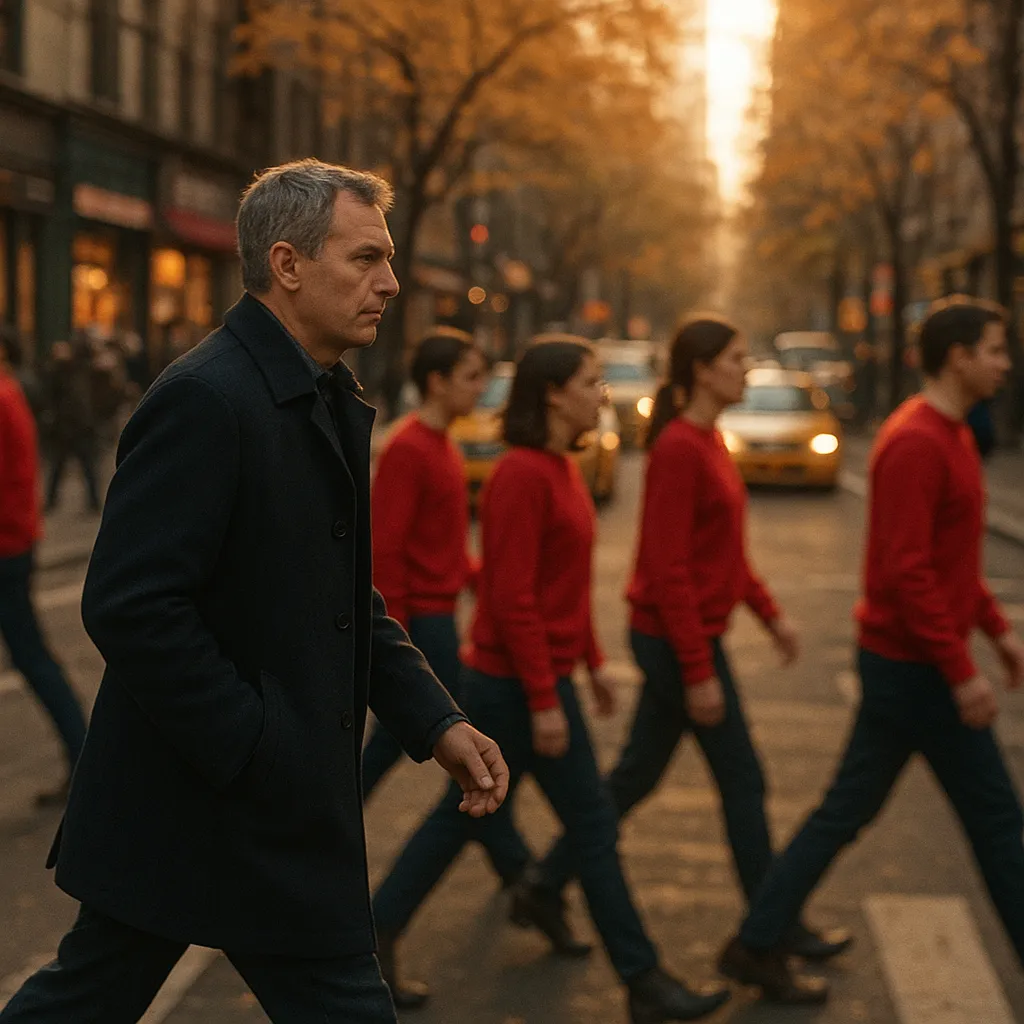
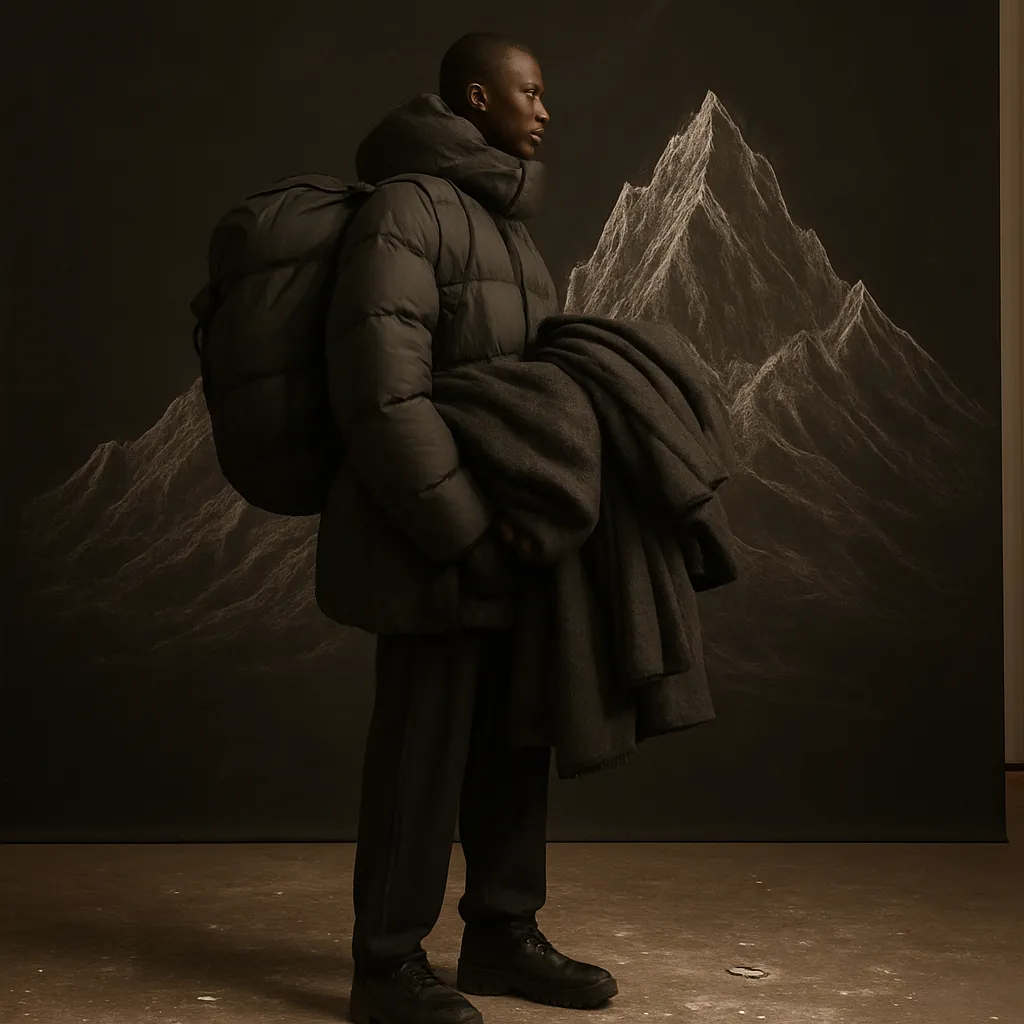
To mark the anniversary, the company launched Dryconic in October. The capsule revisits six signature pieces from the 30-year archive, three for women and three for men, and is supported by a campaign fronted by Nadja Auermann, Lorena Rae, DJ Hell and Lennon Gallagher.
The intent, Götz has said, is not to recreate the past but to show that good design can stay relevant as the years pass. It is a sensible framing for an anniversary in an industry that often mistakes nostalgia for strategy: a piece that worked three decades ago earns its place in a new collection only if it still holds up on its own terms.
What comes next
Looking further ahead, Götz’s ambition is growth without erosion of character. If someone can look at Drykorn and see something distinctive — something that did not simply trail every trend — he would consider that a legacy worth having built.
For an independent label entering its fourth decade, in a market where consolidation is the default and shareholders usually set the tempo, that is both a modest goal and a demanding one. The next few years, with a co-CEO in place and new markets maturing, will show whether the freedom Götz has guarded so carefully can carry the brand through its next stage.