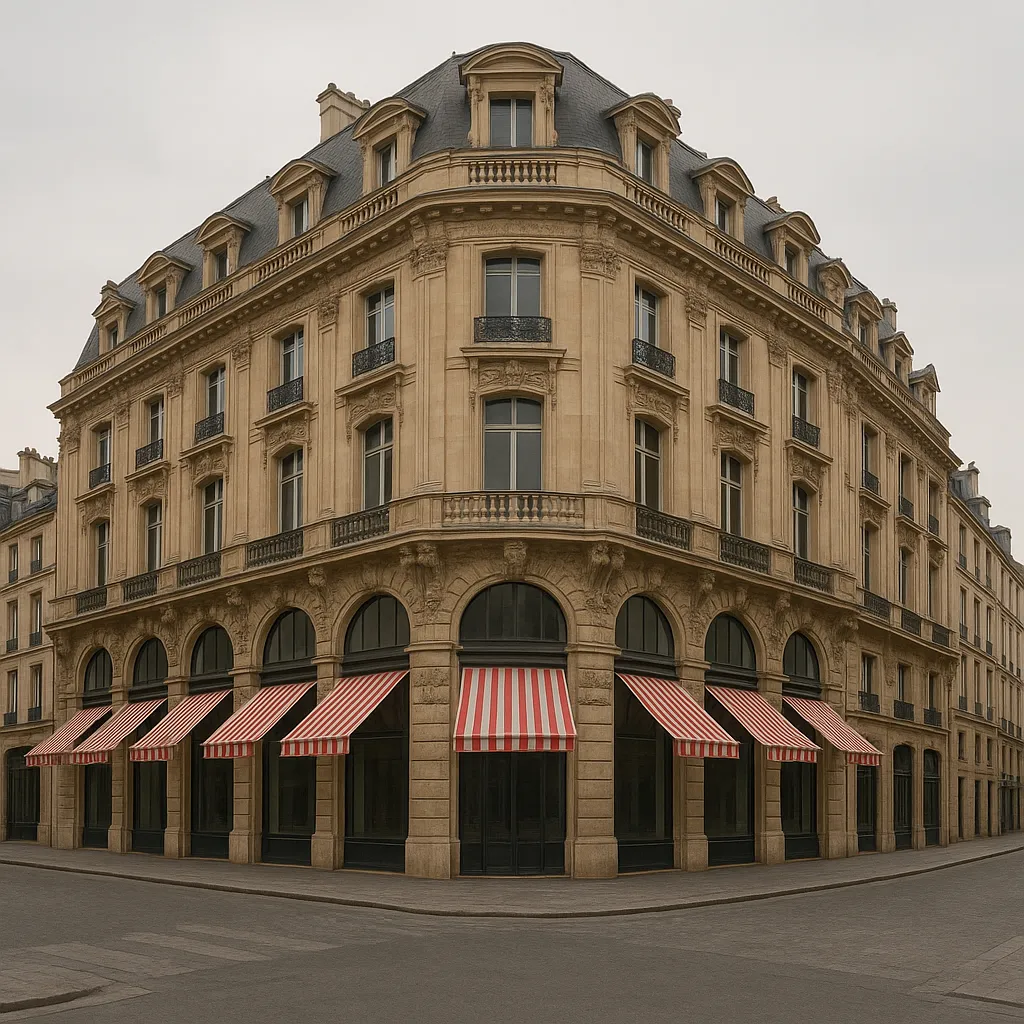
Coperni
Coperni Ceases Trading: Inside the Sci-Fi Brand's Collapse
Coperni, the Parisian label famous for spray-on dresses and Disneyland shows, is closing. Co-founders Arnaud Vaillant and Sébastien Meyer blame unpaid debts.

A Closing Announcement That Ends a Twelve-Year Run
The Parisian label Coperni has confirmed that it is ceasing operations, a few months after entering administration. The news was shared by its co-founders, Arnaud Vaillant and Sébastien Meyer, in a statement posted on Instagram, bringing an end to a twelve-year project that had become one of the most talked-about names on the French fashion schedule.
In their message, the designers said they had spent recent months exploring every possible route to keep the business alive. They acknowledged that no viable solution had emerged, and explained that the company, Coperni SAS, would now stop trading. The tone was sombre but gracious: the pair thanked their teams, the partner factories that produced their collections, and the people who wore their designs. They also expressed pride in what the label achieved and gratitude for having been able to share its story with an audience.
What Went Wrong
The financial difficulties behind the closure did not, according to Coperni, stem from weak demand. The brand pointed instead to sums it was owed by Tomorrow Ltd., its majority shareholder and exclusive distributor, which were not paid. That distinction matters: this is not the story of a label whose clothes stopped selling, but of a business whose cash flow was cut off upstream.
Once a company enters administration, the options narrow quickly. Time, credit and goodwill all run short, and the window for finding an investor, a buyer or a restructuring partner shrinks with each passing week. The founders’ message suggests that this window was examined thoroughly and ultimately closed.
A Brand Built on Spectacle
Coperni was founded in 2013 and specialised in ready-to-wear and accessories, but it was the runway that made its reputation. Rather than relying on conventional presentations, Vaillant and Meyer turned each show into a cultural moment, borrowing from technology, entertainment and popular culture to create formats that travelled far beyond the fashion press.
The clearest example came in 2022, when a dress was sprayed live onto Bella Hadid’s body during a show. The image spread around the world within hours and became one of the defining fashion moments of the decade, turning a relatively young Parisian label into a household name.

That instinct for the unexpected continued. In October 2024, Coperni staged a show at Disneyland Paris, an unusual setting for a ready-to-wear collection that drew attention well outside the industry. A few months later, the brand gathered around 200 video gamers inside the Adidas Arena, turning its runway into something closer to an esports event than a traditional catwalk.
These productions were effective at generating visibility, but they also carried significant costs. Spectacle of that scale demands investment in staging, logistics and talent, and it depends on a steady stream of revenue to sustain it. When the flow of money falters, the ambitious formats that built the brand’s reputation become the hardest thing to maintain.
What the Closure Means for the Sector
Coperni’s fate highlights a structural tension in contemporary fashion. Independent labels are under pressure to produce memorable, shareable moments in order to compete for attention, yet those moments require capital that few young companies hold in reserve. Even a brand with genuine cultural momentum and strong recognition can be brought down by a distribution or shareholder problem rather than by a lack of interest from customers.
The reliance on a single majority shareholder and exclusive distributor also concentrates risk. When one partner controls both investment and sales channels, trouble at that partner can travel directly into the brand’s own bank account, regardless of how well its collections perform at retail.
The Legacy
Coperni leaves behind a compact but distinctive body of work and a series of images that will remain part of the visual record of 2020s fashion. The spray-on dress in particular demonstrated that a runway can still stop the world, and that technology can be folded into clothing in ways that feel playful rather than gimmicky.
For the founders, the statement on Instagram is a farewell rather than a plan. For the teams, suppliers and stockists who worked with the label, the coming months will involve the practical work of winding down. For the wider industry, the closure is a reminder that creative acclaim and commercial durability are not the same thing, and that even the most visible young labels are only as secure as the finances behind them.