Colombia Retail
Colombian Clothing Prices Rise But Sales Slump in August 2026
Clothing and footwear inflation in Colombia slipped to 3.26% in August 2026 while real retail sales of apparel and leather goods fell sharply, DANE data shows.
A widening gap between prices and purchases
Colombian shoppers paid noticeably less for clothes than for most other goods in August 2026. According to the national statistics office, DANE, clothing and footwear prices rose 3.26 per cent year-on-year, easing from 3.38 per cent in July. That made the division the least inflationary of all twelve expenditure categories tracked in the consumer price index.
Headline inflation, by contrast, accelerated to 6.24 per cent from 6.03 per cent, leaving apparel running 2.98 percentage points below the general rate. On a monthly basis the split was just as striking: clothing and footwear prices slipped 0.14 per cent while the overall index climbed 0.39 per cent.
In other words, fashion was one of the few corners of the basket where prices were moving against the broader tide — and yet demand did not respond with a surge.
Sales fall faster than in July
Preliminary DANE retail data paint a tougher picture for the sector. Real sales of clothing and textiles dropped 5.89 per cent year-on-year in August, a steeper decline than the revised 3.06 per cent fall recorded in July. In nominal terms, clothing and textile sales were down 2.96 per cent, which suggests that discounting and lower price growth are doing much of the work in the headline figures.
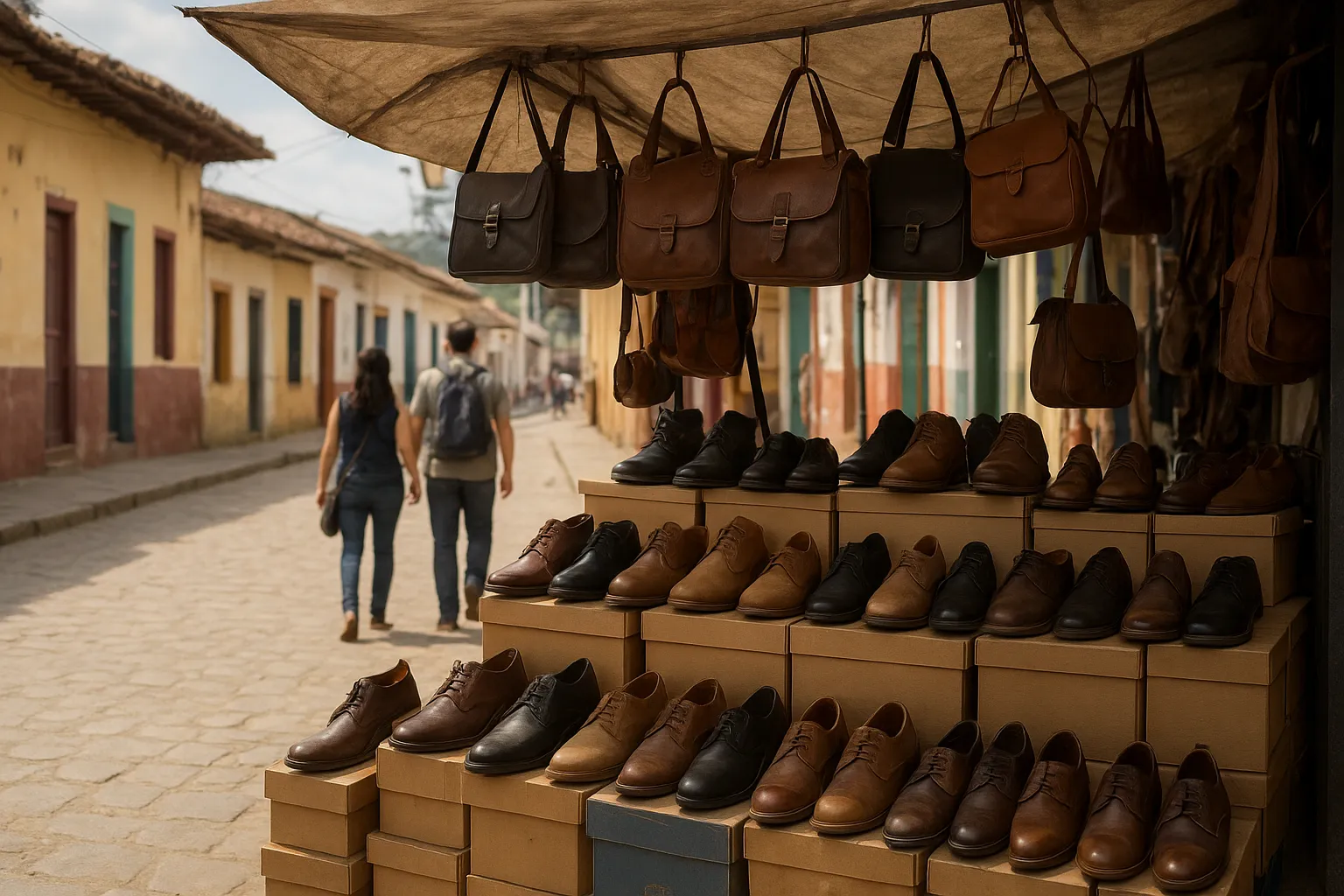
Footwear and leather goods fared worse still, with real sales down 9.00 per cent compared with a year earlier.
The contrast with the wider retail market is sharp. Total real retail sales, including vehicles, rose 7.34 per cent year-on-year in August. Strip out motor vehicles and motorcycles and the gain narrows to 1.90 per cent, but it remains firmly in positive territory. Colombians, it seems, are still spending — just not on wardrobes and shoes.
Households turn more cautious
The drop in apparel purchases lines up with a cooling in household mood. Fedesarrollo’s consumer confidence index fell to a balance of 15.5 per cent in August from 20.7 per cent in July, a decline of 5.2 percentage points.
The index stayed in positive territory, meaning optimistic respondents still outnumbered pessimistic ones, but the slide suggests that households are becoming more guarded about their finances. When confidence softens, discretionary categories such as clothing and footwear are often the first to feel it — particularly when the cost of borrowing remains high.
Borrowing costs hold steady
There was no relief on interest rates in August. Banco de la República left its policy rate unchanged at 12.00 per cent during the month, when the board held an ordinary meeting without taking a rate decision.
A 12 per cent benchmark rate keeps the cost of consumer credit, store cards and revolving balances expensive for Colombian households, which helps explain why spending is tilting towards essentials and vehicles rather than apparel. For retailers operating on thin margins, higher financing costs also raise the burden of holding stock through a slow season.
A stronger peso changes the arithmetic
The currency offered a more encouraging signal. The dollar averaged 3,126.78 pesos in August, down from 3,272.01 pesos in July, according to the representative market rate published by the Financial Superintendence — a 4.6 per cent gain in the value of the peso over the month.
The year-on-year move is far larger. Against August 2025, when the dollar averaged 4,049.93 pesos, the peso was 29.5 per cent stronger. A more valuable currency makes imported garments, fabrics and footwear cheaper to bring into the country, which may add to price competition in stores and reinforce the low inflation reading for the sector. At the same time, it makes Colombian-made fashion less competitive abroad and reduces the peso value of export earnings.
What to watch next
Taken together, the August figures describe a market in which apparel prices are rising more slowly than almost anything else, sales volumes are shrinking, but the overall retail and macroeconomic picture is not collapsing. That combination is unusual and worth monitoring for several reasons:
- Price competition may deepen. Imported ranges becoming cheaper in peso terms could push domestic brands to hold or cut prices, keeping apparel inflation subdued.
- Volume weakness is the real story. A nominal decline of 2.96 per cent alongside a real fall of 5.89 per cent points to consumers trading down, buying less or postponing purchases rather than simply paying less.
- Footwear remains the weakest link. A 9 per cent real decline in shoes and leather goods is a warning for specialist retailers and mall operators.
- Rate decisions matter more than ever. Any move by the central bank on the 12 per cent policy rate would reshape household borrowing costs and could revive discretionary spending.
- Confidence needs to stabilise. A further slide in the Fedesarrollo index would suggest the August dip was not a one-off.
For brands, distributors and store groups operating in Colombia, the lesson is that low inflation in fashion is not automatically good news. It reflects a cautious consumer, expensive credit and a sector absorbing a strong currency — a mix that rewards disciplined inventory planning over ambitious expansion. Buyers should keep a close eye on September’s figures to see whether the sales decline deepens or whether the slower price growth finally tempts shoppers back into stores.