China Inflation
China's Clothing Prices Outpace Headline Inflation
China's clothing prices rose 1.3% in August 2026, faster than overall inflation, while retail sales of clothes fell 0.5%. Explore the latest data.
August 2026: Clothing Prices Rise Faster Than Overall Inflation
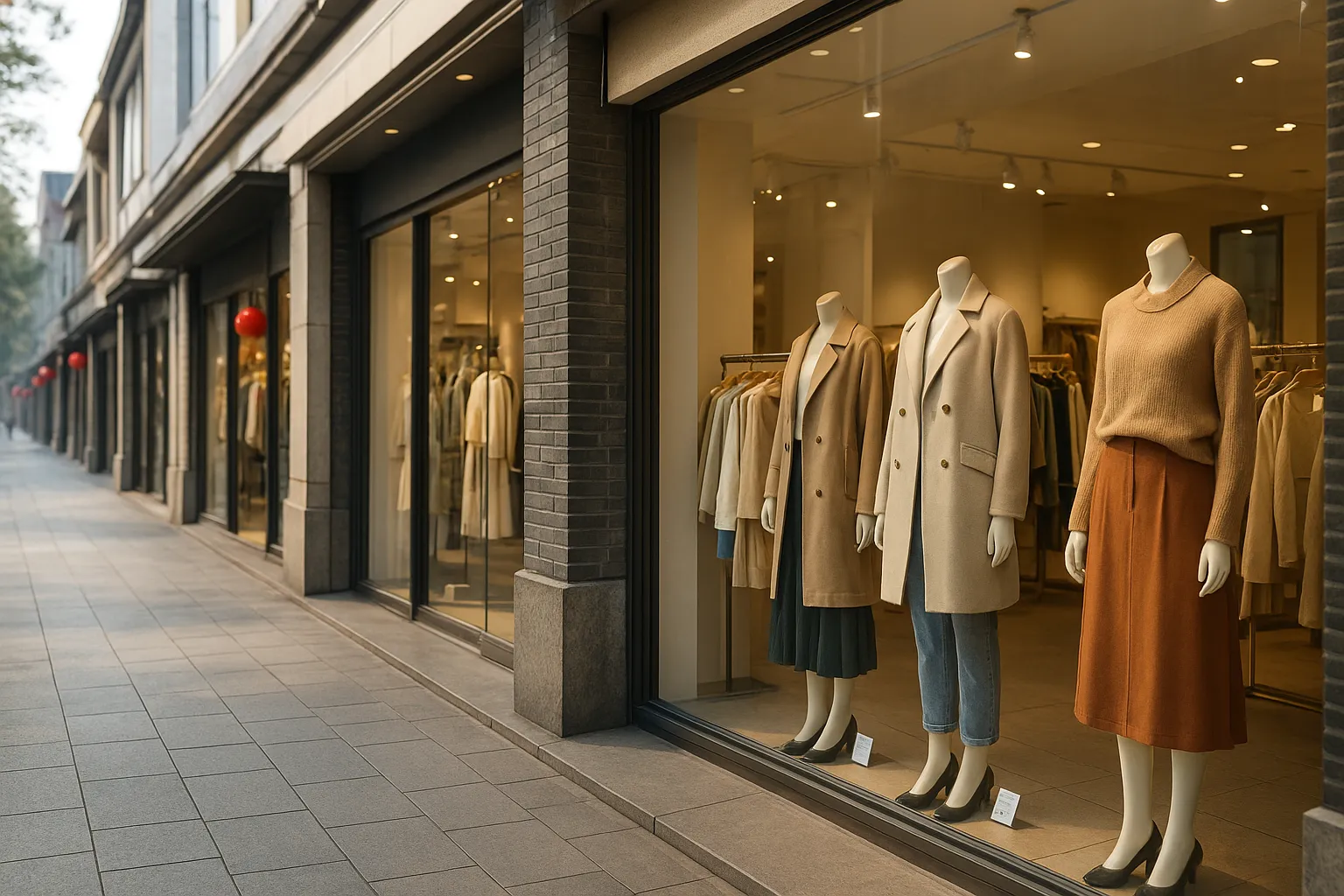
In August 2026, China’s consumer price index (CPI) increased by 0.8% year-on-year, up from 0.5% in July, according to the National Bureau of Statistics (NBS). This acceleration in inflation was partly driven by clothing prices, which rose 1.3% year-on-year, following a 1.4% increase in July. Clothing has consistently outpaced headline inflation, signalling sustained cost pressures in the apparel sector.
Core inflation, which excludes volatile food and energy prices, stood at 1.0%. Within the clothing category, garment prices climbed 1.5% year-on-year, while footwear prices rose 0.7%. On a month-on-month basis, clothing prices edged down 0.1%, but the cumulative increase from January to August averaged 1.6% above the same period a year earlier.
Retail Sales of Clothing Decline in Nominal and Real Terms
Total retail sales of consumer goods rose 0.4% year-on-year in nominal terms to 3,982.4 billion yuan in August, a slowdown from the 0.6% growth seen in July. However, the clothing sector painted a different picture. Retail sales of clothes, shoes, hats, and textiles by enterprises above designated size fell 0.5% year-on-year in nominal terms to 101.3 billion yuan. This marks the second consecutive monthly decline, following a 1.0% drop in July. Despite the recent weakness, cumulative sales for January to August were still 5.1% higher than the same period last year.
When adjusted for inflation using the clothing CPI, the real decline is even more pronounced: sales in this category fell by approximately 1.8% in real terms in August.
Online Sales Growth Slows
Online retail sales of clothing grew 4.9% year-on-year in the first eight months of 2026, down from 5.8% in the first seven months. This deceleration suggests that while e-commerce remains a vital channel, its momentum is easing. Meanwhile, sales at physical stores continued to struggle: brand-exclusive stores above designated size saw sales drop 10.0% year-on-year from January to August, and department stores recorded a 3.0% decline.
Among enterprises above designated size, nominal sales of gold, silver, and jewellery plunged 17.5% year-on-year in August, while cosmetics sales rose 4.9%. These divergent trends indicate shifting consumer preferences and spending priorities.
Macroeconomic Context: Unemployment and Business Activity
China’s urban surveyed unemployment rate rose to 5.3% in August from 5.2% in July, according to NBS. The non-manufacturing business activity index held steady at 49.0, just below the 50 mark that separates expansion from contraction. Notably, the business activity index for retail services was also below 50, indicating a contraction in that sector. On a positive note, real value added in the textile industry among enterprises above designated size rose 3.0% year-on-year, suggesting that production remains resilient even as retail demand softens.
Monetary Policy and Currency Movements
The People’s Bank of China (PBoC) left the one-year loan prime rate (LPR) unchanged at 3.0% in August, maintaining a stable monetary policy stance. In the foreign exchange market, the dollar’s central parity rate averaged 6.7866 yuan in August, compared to 6.7970 yuan in July, according to the China Foreign Exchange Trade System (CFETS). This represents a 0.2% appreciation of the yuan against the dollar. Compared with August 2025, when the rate averaged 7.1309 yuan, the yuan was 5.1% stronger, making Chinese goods more expensive for foreign buyers.
The Bottom Line
In August 2026, Chinese clothing prices rose 1.3% year-on-year, outpacing headline inflation of 0.8%. Retail sales of clothes, shoes, hats, and textiles by larger enterprises fell 0.5% in nominal terms, or about 1.8% in real terms, while total retail sales managed a modest 0.4% increase. The growth rate of online clothing sales slowed to 4.9% for the first eight months of the year. These figures suggest a challenging environment for apparel retailers, with rising prices and weak consumer demand. As the yuan strengthens and unemployment edges up, the sector may face continued headwinds in the months ahead.