Canada
Canadian Fashion Retail Sales Rise Ahead of Inflation
Canadian clothing sales surge in July while prices stay below overall inflation, but jewellery costs soar. Explore the latest retail and economic data.
Canadian Fashion Retail Sales Rise Ahead of Inflation
Canadian consumer prices rose 3.0% year on year in August 2026, unchanged from July, according to Statistics Canada (StatCan). Within the basket, clothing and footwear prices increased 1.2% annually, a slower pace than the 2.4% recorded in July. This means fashion costs are rising at less than half the overall inflation rate.
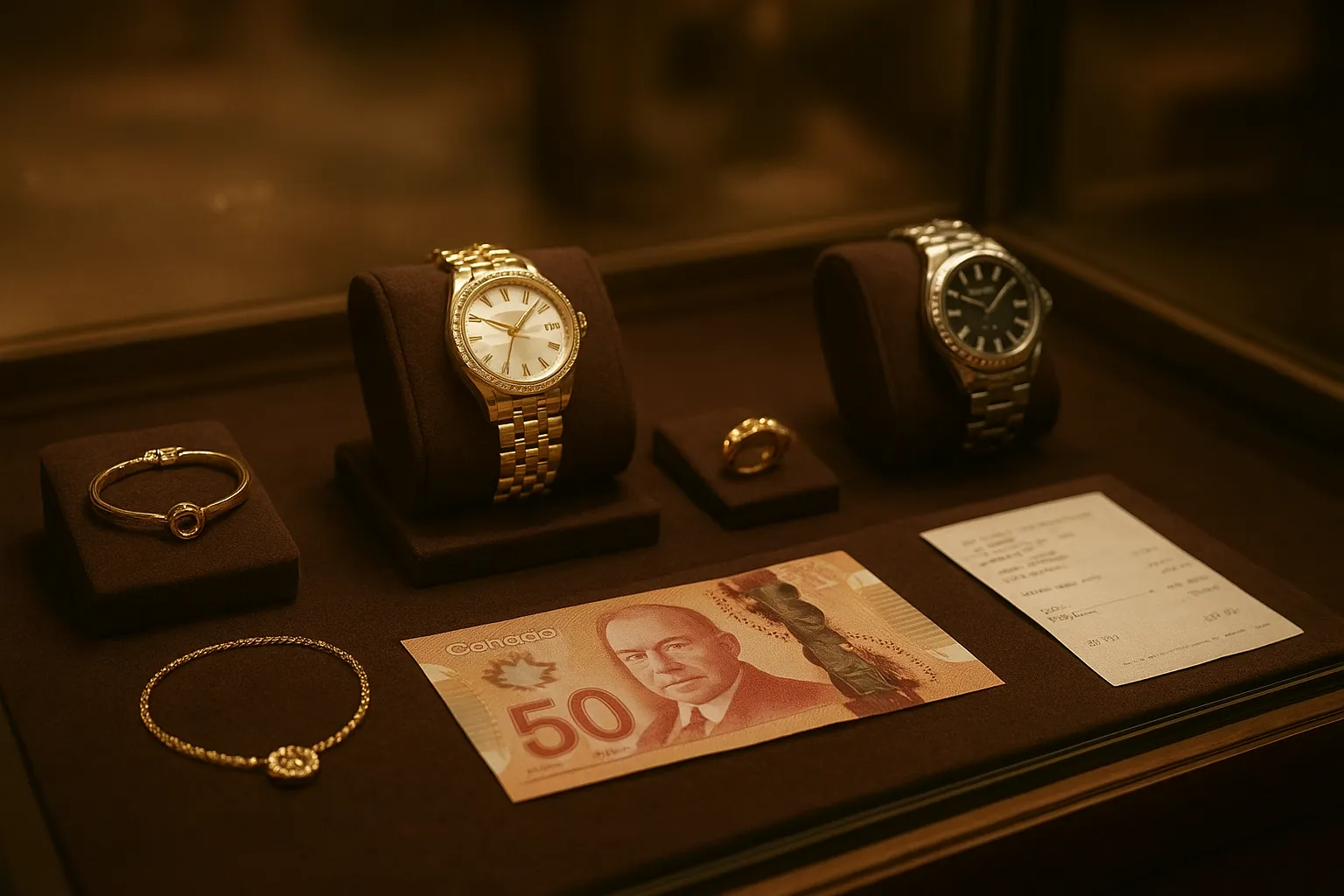
Clothing prices alone actually fell 1.1% year on year in August, after a 0.9% rise in July. The decline was driven by men’s clothing, down 2.3%, and children’s clothing, down 1.9%. Women’s clothing prices were flat compared with a year earlier, following a 0.7% drop in July. Footwear prices dipped 0.8% year on year. However, not all accessories followed the downward trend: prices for clothing accessories, watches and jewellery jumped 12.1% annually.
July retail sales: clothing outpaces broader market
StatCan’s most recent retail sales data, covering July, show that sales at clothing and clothing accessories retailers climbed 5.5% year on year in nominal terms. After adjusting for the clothing consumer price index, that equates to a real increase of about 4.6%.
The picture is mixed when looking at a wider group that includes shoe, jewellery, luggage and leather goods retailers. Month on month, seasonally adjusted sales for this broader category slipped 1.2% from June, but they remained 6.0% higher than a year earlier. Shoe retailers saw a 1.2% annual decline in nominal sales, or roughly 0.4% in real terms.
Overall, total retail sales fell 0.7% month on month to CAD 73.7 billion in July, seasonally adjusted, with volumes down 1.1%. This suggests that while fashion retailers are attracting steady spending, the wider retail sector is facing softer demand.
Economic backdrop: jobs, confidence and the loonie
Canada’s unemployment rate held steady at 6.4% in August, but employment fell by 42,000 positions, according to StatCan. Consumer confidence weakened during the month, yet it remained 5.2 points above its level a year earlier, based on data from Signal49 Research (formerly the Conference Board of Canada). In a preliminary estimate, StatCan projected that total retail sales rose 1.3% month on month in August, though this figure is based on partial survey responses and may be revised.
The Bank of Canada kept its target for the overnight rate unchanged at 2.25% in August. On the currency front, the US dollar averaged CAD 1.3898 in August, down from CAD 1.4107 in July, representing a 1.5% appreciation of the Canadian dollar. Compared with August 2025, when the greenback averaged CAD 1.3802, the loonie was 0.7% weaker.
What this means for fashion retail
Canadian shoppers are finding that clothing and footwear prices are rising more slowly than the overall cost of living, and in some segments, like men’s and children’s wear, prices have actually fallen. Yet the jewellery and accessories category stands out with double-digit inflation, which could encourage consumers to shift spending toward lower-priced items.
Retailers in the clothing and accessories space can take heart from the 5.5% year-on-year sales growth in July, which translates into a solid real gain once inflation is stripped out. The broader retail environment, however, remains challenging, with total sales slipping on a monthly basis and employment contracting. The Bank of Canada’s steady rate stance and a slightly stronger loonie may provide some relief on import costs, but the mixed signals suggest that fashion businesses should plan for cautious consumer spending in the months ahead.
Note: this article combines the most recent official data available at the time of writing. Reporting lags differ by indicator, so not all figures refer to the same month. Each data point is labelled with its reference period.