BHV Marais
BHV Marais Enters Receivership: What It Means for the Store
BHV Marais has been placed into redressement judiciaire by the Paris economic activities court, giving the iconic homeware department store room to secure its recovery.
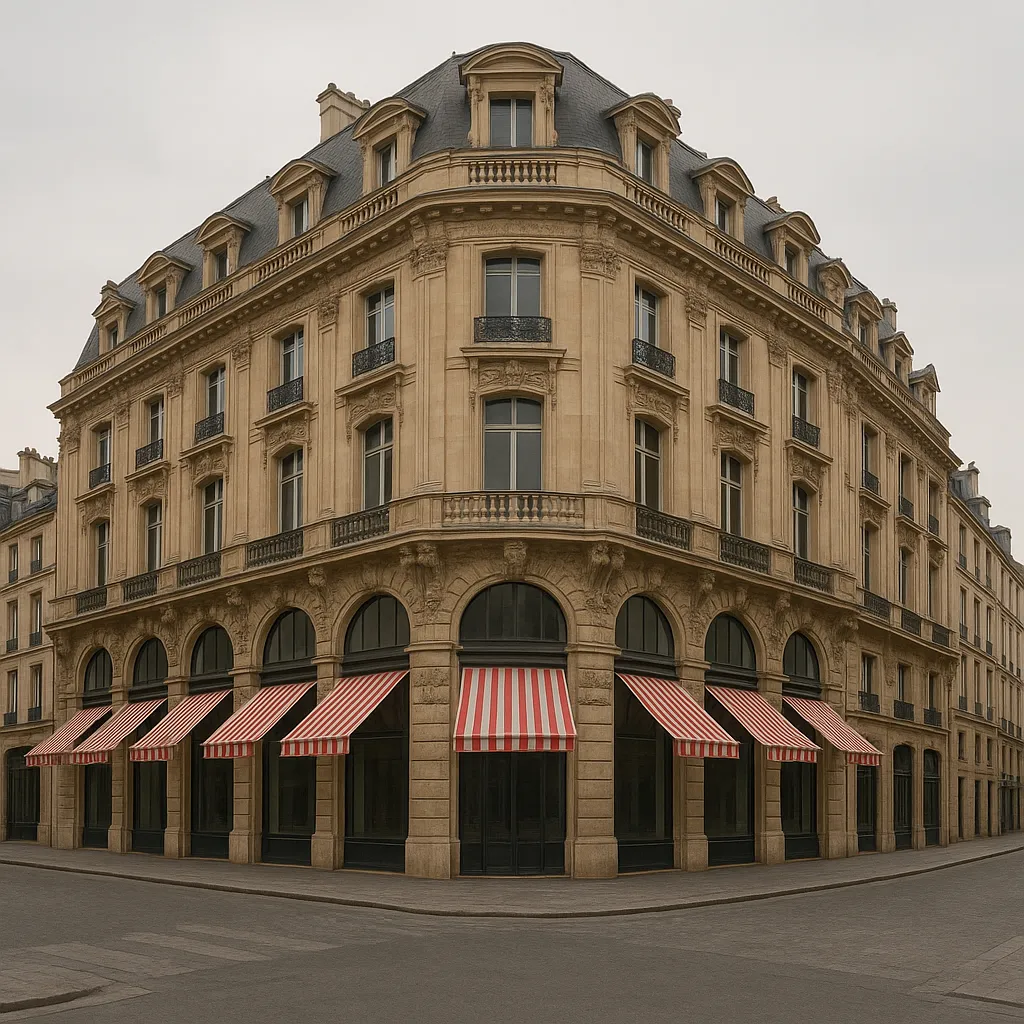
Court protection gives BHV Marais breathing space
The Paris economic activities court has granted a request from the management of BHV Marais to place the department store into receivership. The procedure, known in France as redressement judiciaire, is a court-supervised reorganisation that lets a business in financial difficulty keep trading while it works towards recovery, instead of tipping straight into liquidation.
Management and staff had lodged the request only days earlier. Their aim was to lock in the store’s recovery plan after arrangements with its landlord failed to be honoured.
Why the store asked for protection
With the court’s shield in place, talks with Brookfield, the property owner, are expected to reach a conclusion very quickly. Those negotiations have been dragging on for several months, and the protection granted by the commercial court is seen as the trigger that should finally close them out.
BHV Marais attributes its difficulties to a cash flow problem. In the store’s own words, these pressures struck during the strongest trading months of the year, leaving a critical period ahead. Brookfield, for its part, disputes whether the compensation being claimed can be enforced, which helps explain why the discussions have stalled.
A dispute that has spilled into the open
The standoff has drawn in figures from across the fashion and homeware trades. One prominent voice is Yan Rivoallan, president of the Fédération Française du Prêt à Porter Féminin, who made a direct public demand of BHV’s former operator: that the money be paid back. He highlighted the debts owed to brands, the knock-on effect on those businesses, and the consequences for the people who work at BHV. He also pressed for a buyer capable of relaunching the store.
What receivership actually involves
For readers less familiar with French insolvency law, redressement judiciaire sits between a business simply carrying on and being wound up. Once the court opens the procedure, an administrator is appointed to oversee the company’s affairs, creditor claims are frozen and put on hold, and the business continues to operate under supervision. The objective is a viable reorganisation plan rather than an outright sale of assets. It is a mechanism designed for companies judged capable of survival, and it gives management a protected window in which to renegotiate leases, settle with creditors and rebuild a footing.
For a department store, that continuity matters. A retail site that closes its doors loses customers fast, and suppliers who have not been paid become reluctant to restock. Court protection addresses both risks at once: the doors stay open and the ordering continues while the financial questions are worked through.
The store stays open
For now, BHV Marais is trading as normal. The ambition on the shop floor has not changed: a department store built around the home and everyday life, positioned in the heart of the capital.
Bringing that relaunch off will take more than a legal procedure. The teams behind the store are clear that it requires collective backing — from shoppers, from the brands that value BHV and have stayed with it through months of uncertainty, from the City of Paris, and from everyone who wants French homeware know-how to retain its own department store in central Paris.
What happens next
Three things will shape the store’s path from here. The first is the conclusion of the long-running discussions with Brookfield, which the court’s protection is expected to accelerate. The second is how the claims of the brands owed money are resolved, since supplier confidence is inseparable from the store’s ability to fill its shelves. The third is the reorganisation plan itself, which must satisfy the court that BHV Marais can return to a sustainable footing.
For a landmark retail name, receivership is not the end of the story. It is a structured pause, granted by a court, in which a store gets the time and the legal cover to settle old disputes — and, its supporters hope, to build a credible future around French homeware and everyday living in the centre of Paris.