Armedangels
Armedangels: Sustainable Denim, Stores and Material Firsts
Armedangels in focus: DetoxDenim, SaXcell and lyocell innovation, new stores in Cologne and Düsseldorf, a US launch and pricing, plus 2025 turnover of €89.5m.
Armedangels has never been a quiet brand. Founded in Cologne in 2007, the label began life selling T-shirts to fund social projects and has grown into one of Europe’s most closely watched names in responsible fashion. Today it publishes figures, names its fibre suppliers and opens stores with a cultural brief rather than a sales script. The result is a company whose commercial decisions and sustainability claims are unusually easy to examine side by side.
From T-shirt project to €89.5 million business
The founders, Anton Jurina and Martin Höfeler, started with a simple proposition: make clothing, direct the profits towards social causes. Höfeler still leads the company as chief executive, while Christiane Bördner shapes the collections as creative director.
In 2025 the business turned over €89.5 million with a team of 185 people. That is a substantial operation built on a narrow story — good materials, traceable supply chains, four collections a year — rather than constant novelty. The signature pieces, the DetoxDenim jeans and the Å logo tops, carry much of that identity.
There have been less comfortable moments too. In May 2026, responding to a media enquiry about working culture, Höfeler acknowledged a gap between the values the company promotes and the experiences of some employees, and accepted personal responsibility for it. The statement was made public on 28 May this year. For a brand whose marketing rests on transparency, saying so openly was perhaps the most consistent move available.
Why the denim matters
Denim is the backbone of the range, and the DetoxDenim programme is the clearest expression of how the brand approaches production. Rather than treating finishing as a fixed cost, it uses ozone treatment and laser techniques to cut back on chemicals and energy in the wash and finish stages, reducing the load of harmful substances associated with conventional jeans manufacturing.
The autumn/winter 2026 DetoxDenim campaign, launched on 17 September, is fronted by Cara Delevingne — a booking that puts the line in front of a far larger audience than the sustainability aisle normally reaches.
Fibres as the real product story
Where Armedangels has moved furthest is in what its clothes are made from.
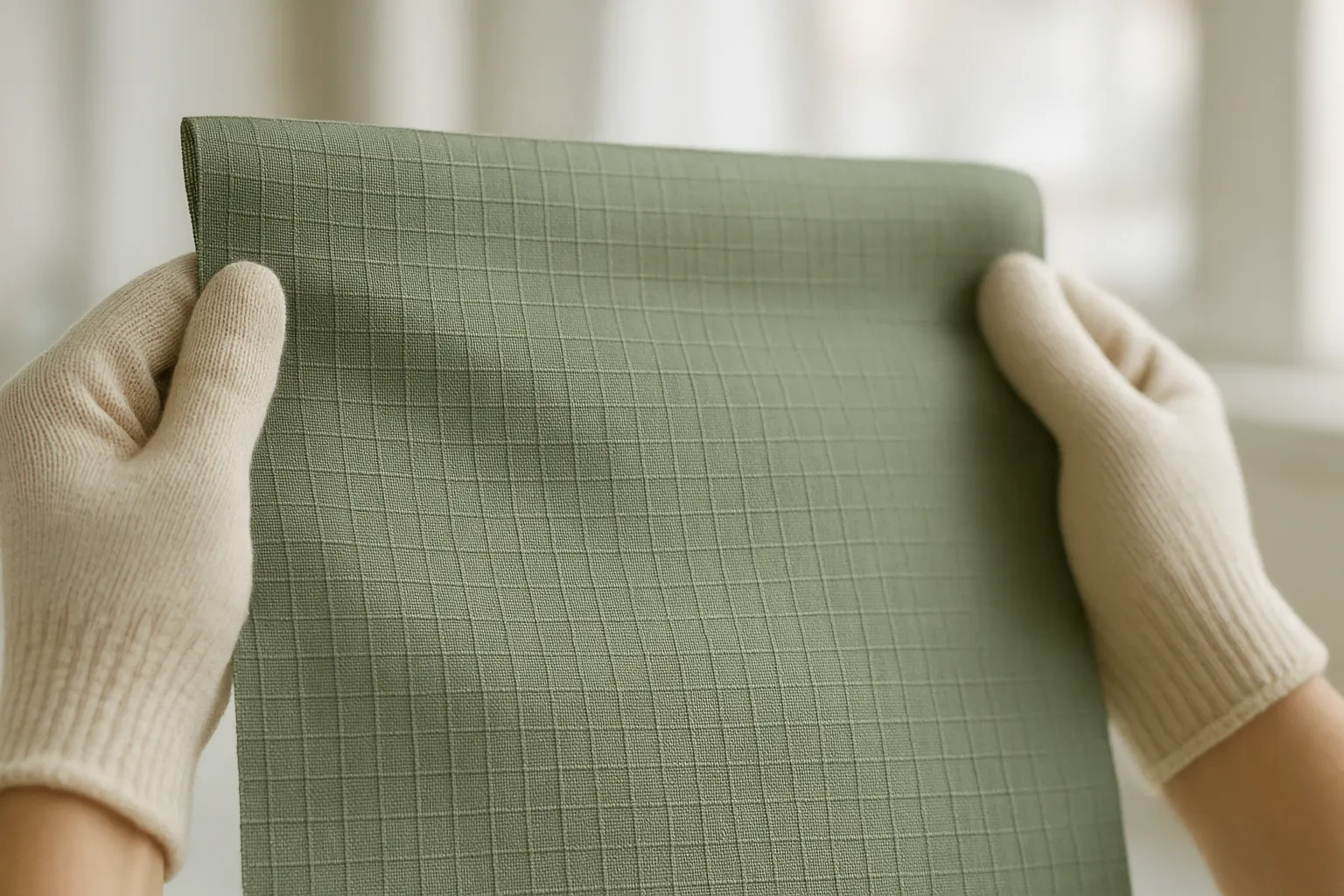
- SaXcell. In spring 2025 the brand became the first in the world to launch a commercial collection using this next-generation fibre, which blends 30 per cent recycled cotton textile waste with 70 per cent FSC-certified wood pulp. It has since brought the material into denim.
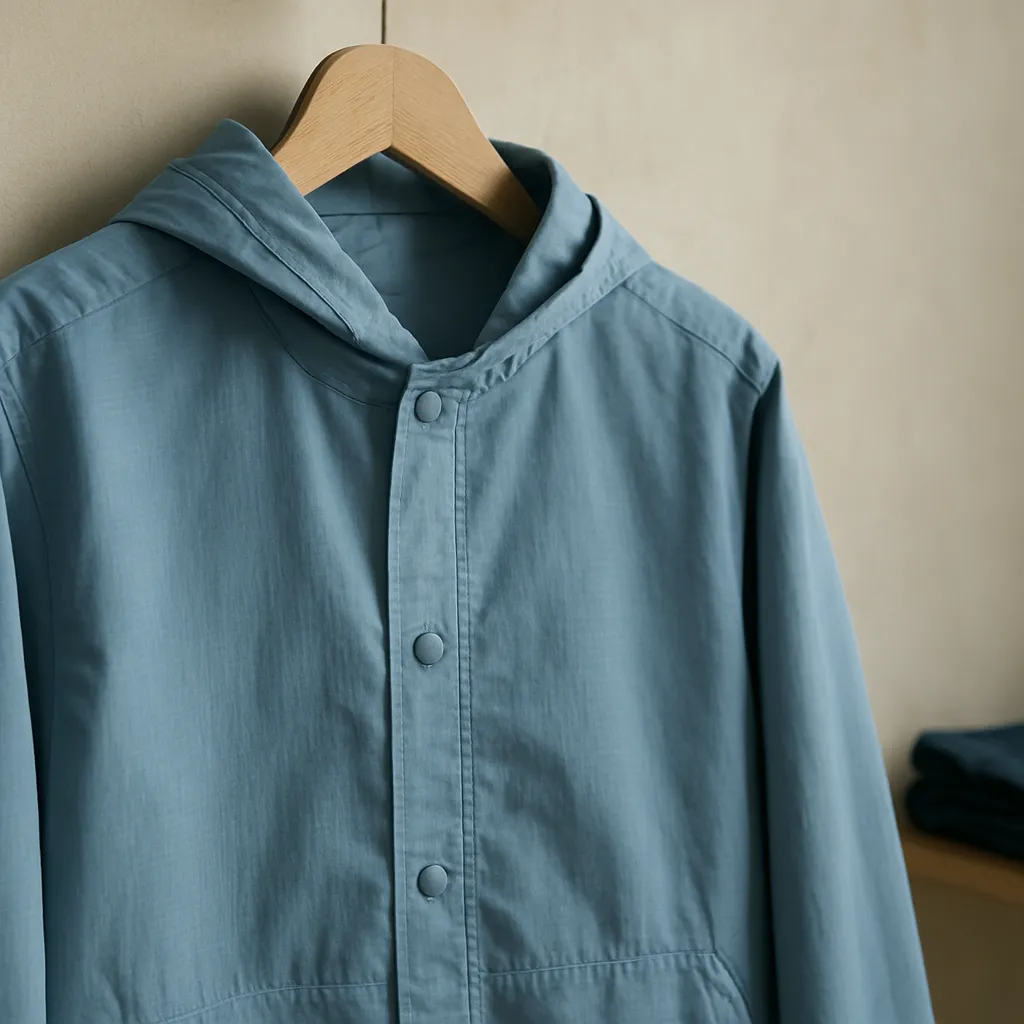
- Lyocell outerwear. The spring/summer 2026 windbreaker, developed with the Lenzing Group, Montebelo and Hermin Textile, is made entirely from Tencel Lyocell ripstop — a direct alternative to the synthetic shells that dominate lightweight jackets.
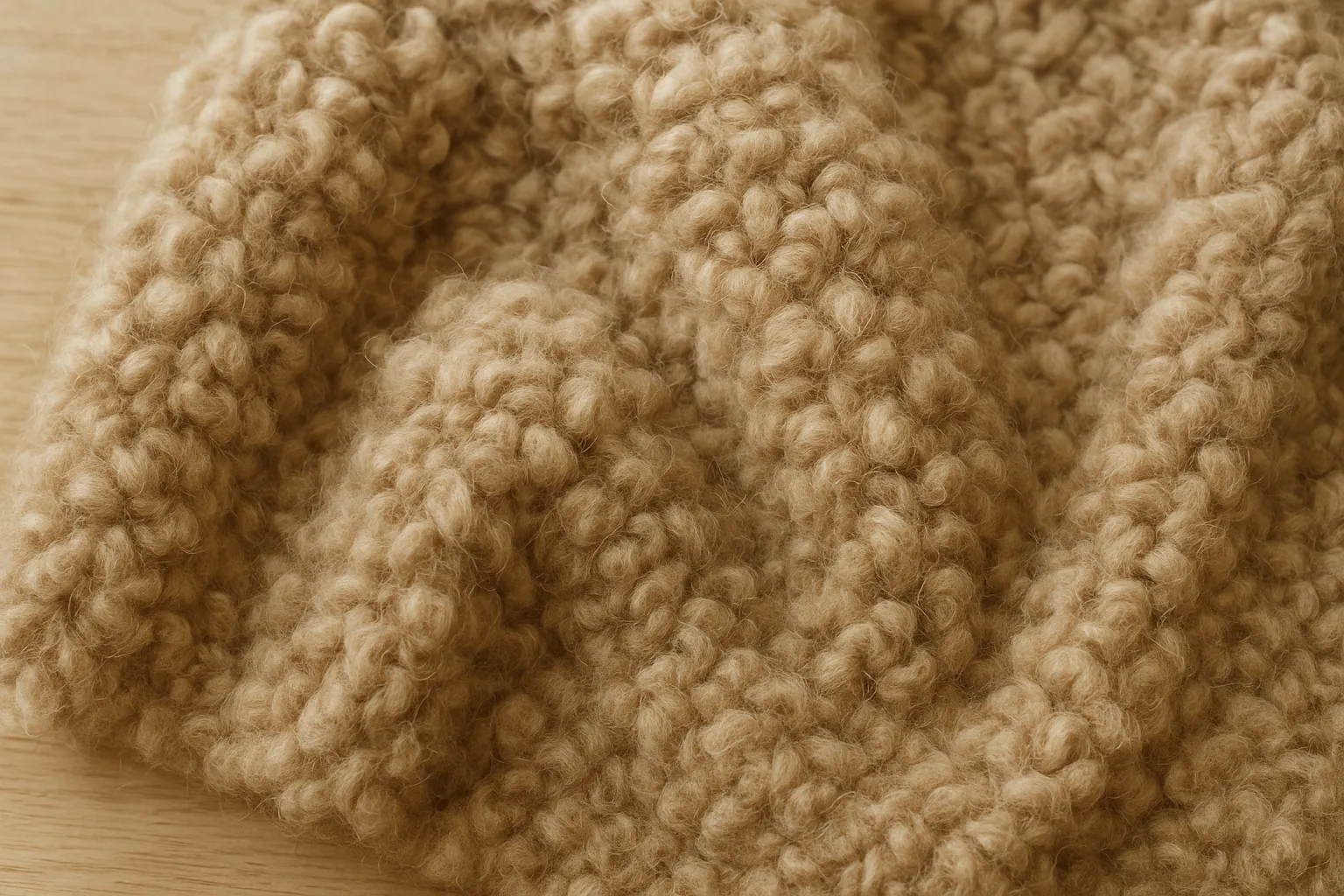
- Plastic-free knits. A bouclé knit combining Tencel Lyocell with RWS-certified wool removes synthetic content from a category where it is usually taken for granted.
The supporting numbers are strong. Just over 99 per cent of the materials used are classed as preferred materials, and the company holds Fair Wear Foundation Leader status. In October it gained wider recognition when the lyocell windbreaker was named among Time’s Best Inventions 2026.
The collection and what it costs
The range covers womenswear and menswear across denim, trousers, knitwear, sweats and tops, with a women’s activewear line added in 2026.
| Product | Price |
|---|---|
| Mairaa high-waist mom jeans (most washes) | from €119.90 |
| Athenaas high-waist wide jeans | €149.90 |
| Iconic Å Maarkos GMT Dye T-shirt | €59.90 |
| Iconic Å Melange Hoodie | €119.90 |
Core denim therefore sits between roughly €120 and €150 depending on cut and wash — premium territory, but not out of line with mid-market labels that make similar claims.
Where the business is growing
Germany, Austria, Switzerland, the Netherlands and France remain the key markets. In 2025, 44.5 per cent of sales came through the brand’s own webshop, 39.5 per cent from wholesale, 15 per cent via marketplaces and 1 per cent from its own shops — a split that explains why physical retail has so far played a supporting role.
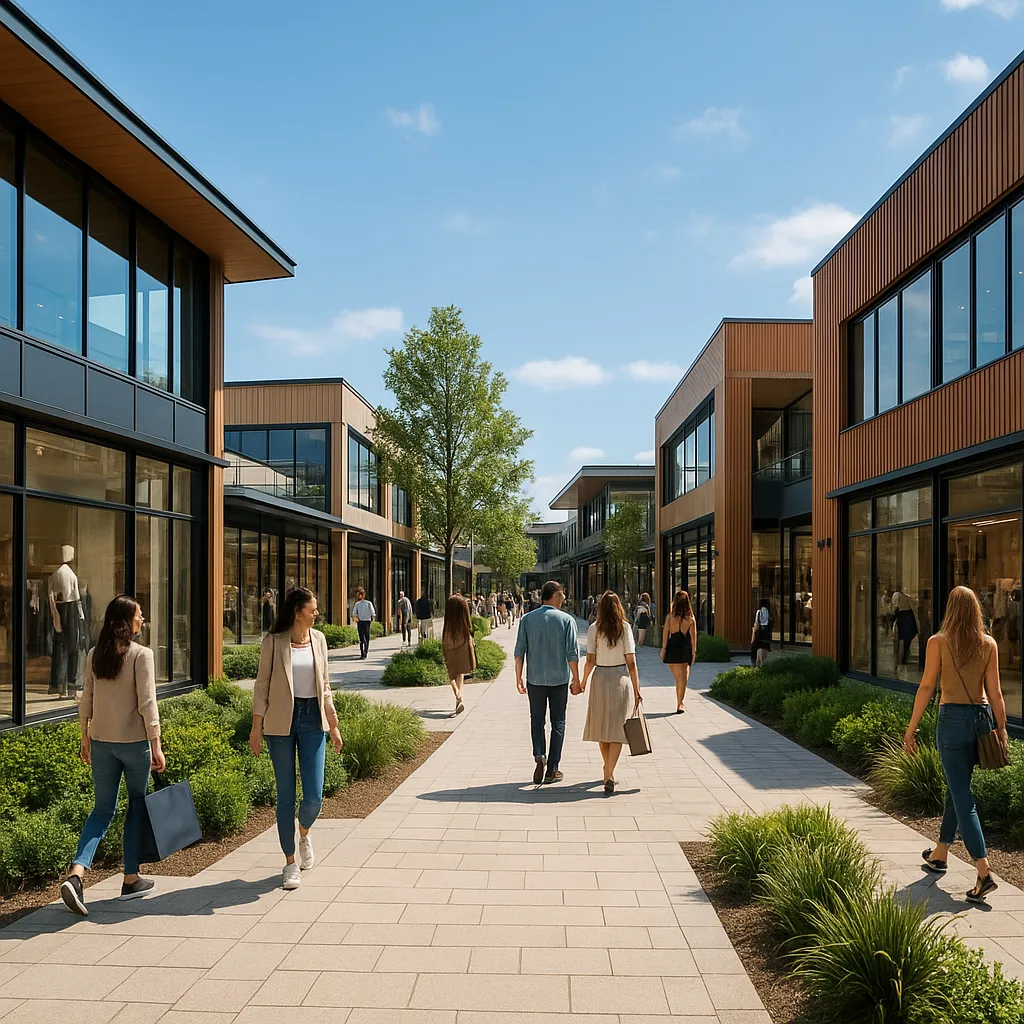
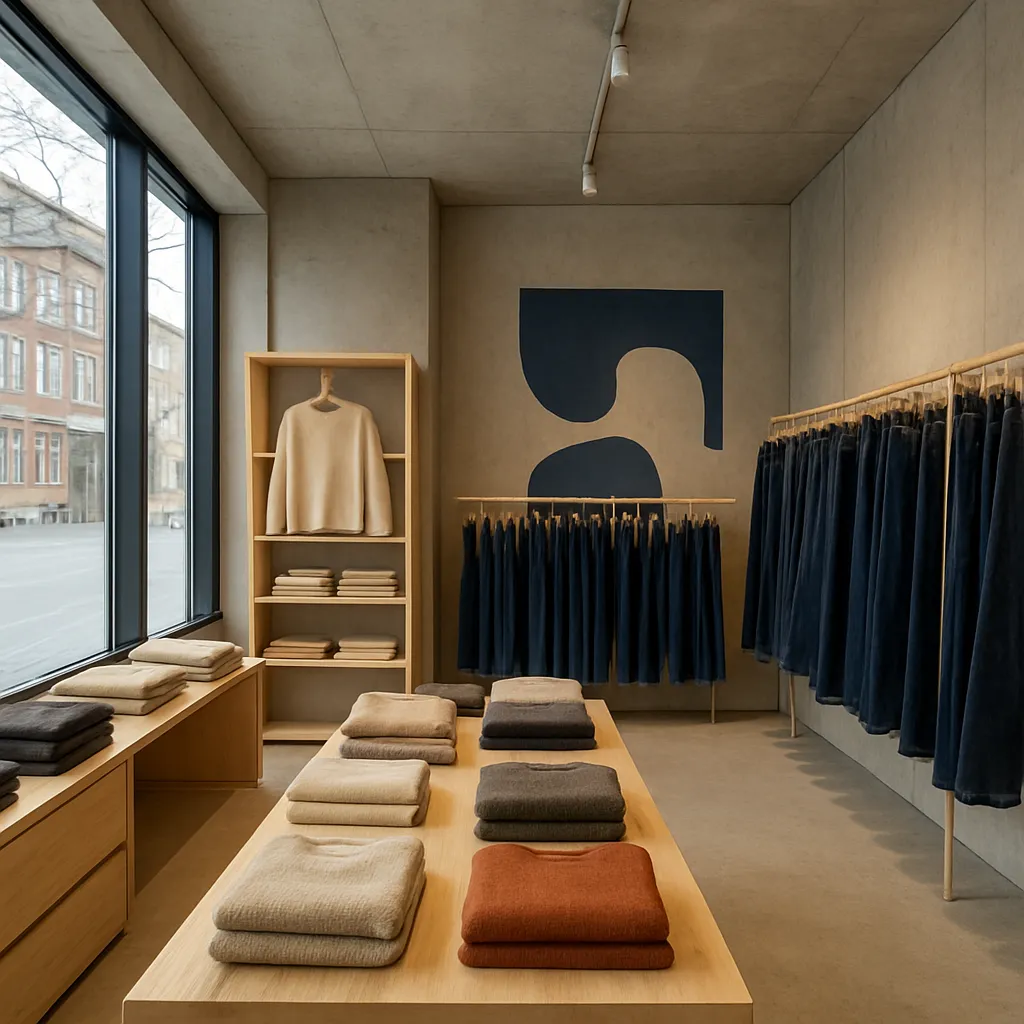
That is beginning to change. A first company-owned store opened in Cologne in May 2025, and on 22 October 2026 a second followed in Düsseldorf. The newer space builds on the Cologne concept, mixing fashion with art, culture and community programming, and grounding its identity in the city rather than rolling out a single template.
Production spans Germany, Morocco, Portugal, Türkiye, Tunisia and Romania. The brand showed its spring 2027 collection at Düsseldorf Fashion Days in July 2026.
What comes next
April 2026 brought the brand’s direct-to-consumer launch in the United States, six months before the Düsseldorf opening. Further US sales channels are planned, though no specifics have been confirmed.
On the product side, the windbreaker is being treated as a template rather than a one-off. Expect more outerwear built without synthetic fibres, as part of a wider effort to reduce dependence on virgin and fossil-based materials. If the past two years are any guide, the announcements will come with fibre names, percentages and dates attached — and that habit of disclosure remains the brand’s most distinctive asset.