Activewear
Alo Opens Flagships in Berlin and Hong Kong
Alo has opened flagship stores in Berlin and Hong Kong, extending its global retail footprint with wellness-led spaces and a dramatic Victoria Harbour celebration.
Two Cities, One Strategy
Alo has pushed its international rollout forward with the near-simultaneous opening of flagship stores in Berlin and Hong Kong. The two launches, staged a day apart, mark a clear step up in the brand’s ambition to build physical retail hubs in major global cities rather than relying on wholesale or online channels alone. For a label that began in Los Angeles and grew through a wellness-conscious following, the move signals a maturing approach to international growth that treats the store itself as a brand experience.
The Berlin flagship, Alo’s first in Germany, welcomed customers on 15 October 2026. The following day, 16 October 2026, the Hong Kong flagship officially opened at the K11 MUSEA shopping complex, following a soft launch on 25 September 2026. Together the two openings reach into continental Europe and North Asia at the same time, a dual push that underlines how seriously the company is treating both regions.
Berlin: A First Foothold in Germany
The German capital has become the brand’s entry point into one of Europe’s most competitive retail markets. Berlin’s reputation for design, fitness culture and an international customer base makes it a logical first stop, and the choice of a flagship format rather than a smaller concession reflects a preference for high-visibility, high-footfall locations.
A German flagship also gives Alo a staging post for the wider European market. Once a brand has a proven store format in a major EU city, further openings in other countries become easier to plan and to finance. The Berlin launch therefore reads less like a single event and more like the first line of a longer European strategy.
Hong Kong: A ‘Sanctuary’ at K11 MUSEA
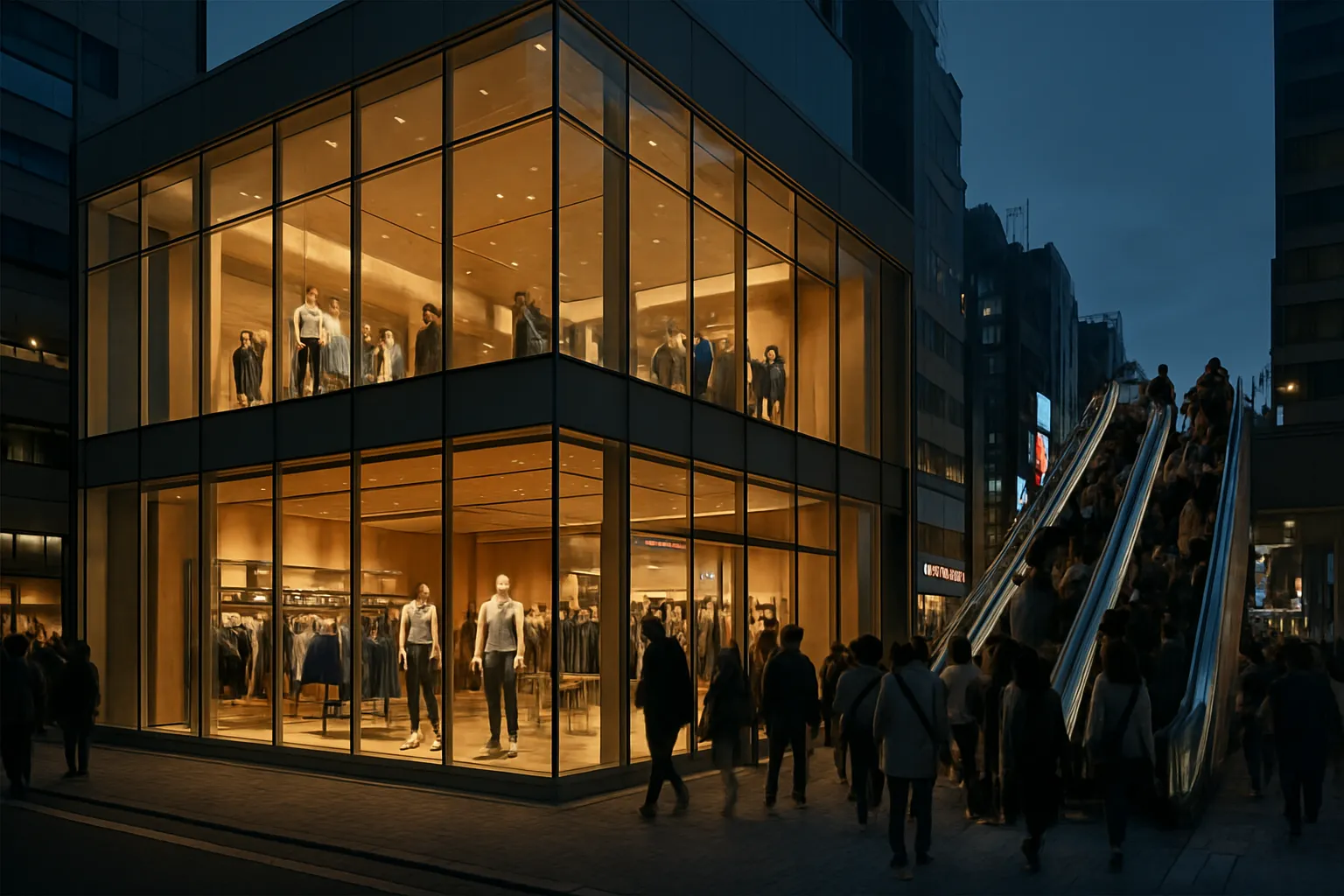
In Asia, the Hong Kong flagship is a considerably larger proposition. Housed within the K11 MUSEA complex, the multi-level space covers more than 650 square metres and carries womenswear, menswear, footwear and accessories under one roof. The company describes the concept as a ‘Sanctuary’, a term that positions the store as somewhere to slow down as much as to shop.
That framing fits the wider direction of premium activewear retail, where brands increasingly compete on atmosphere, service and community rather than product alone. A store of this size allows for dedicated zones for each category, room for fitting and consultation areas, and the kind of layout that encourages customers to stay longer and return more often.
The opening celebrations leaned heavily into that wellness identity. Guests were treated to sound healing workshops and traditional Chinese medicine consultations, while the evening included a 3,000-drone light show over Victoria Harbour. Global brand ambassador Jisoo attended, joined by international models Ming Xi and Stella Maxwell, giving the launch a strong media moment to match the scale of the space.
Why Physical Stores Still Matter
The twin openings illustrate a broader shift among online-first brands. After years of building audiences digitally, many are now investing in flagship environments that generate content, host events and deepen loyalty in ways a website cannot replicate. A flagship is part marketing channel, part community venue and part showroom, and it earns its keep by raising awareness across an entire city and region.
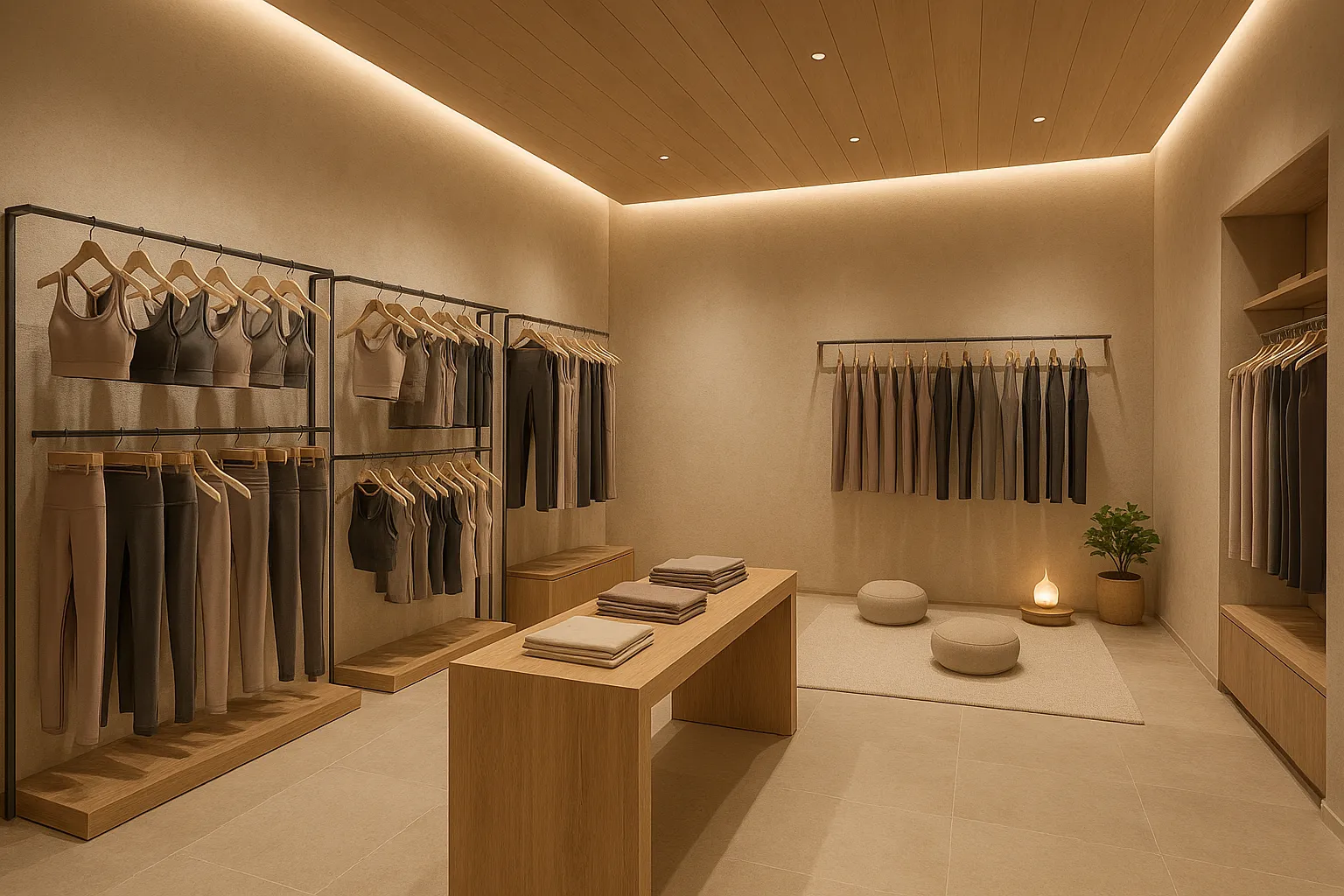
Alo’s approach appears to lean into that logic. By weaving wellness experiences into the retail offer, the brand creates reasons to visit beyond a new season’s drop: a workshop, a consultation, an event. The Hong Kong launch programme is an explicit example, but the design language of the stores points the same way, treating shopping as part of a wider routine of self-care.
What Comes Next
With hubs now established in both Europe and North Asia, the groundwork is in place for further openings in neighbouring markets. Flagships in Berlin and Hong Kong serve as reference points for local teams, partners and landlords, demonstrating what the brand looks like at full scale.
The timing is notable as well. Opening in two regions within 24 hours creates a single global news moment rather than a series of scattered announcements, amplifying reach across entirely different audiences. For a growing activewear brand, that kind of coordinated statement is a useful way to signal momentum to customers and investors alike.
Whether the strategy translates into durable footfall in both cities will depend on the usual retail fundamentals: location, assortment, staffing and how well the wellness programming is sustained once opening week is over. What is already clear is that the brand intends to be present in the world’s major cities in physical form, and that it sees the store as a stage for its lifestyle positioning rather than simply a point of sale.