Africa Made It
Africa Made It: Cotton, Jobs and the Fibre-to-Fashion Future
Africa Made It is turning raw cotton into local garments, aiming to add $34bn to GDP and create two million jobs. Discover the fibre-to-fashion revolution.
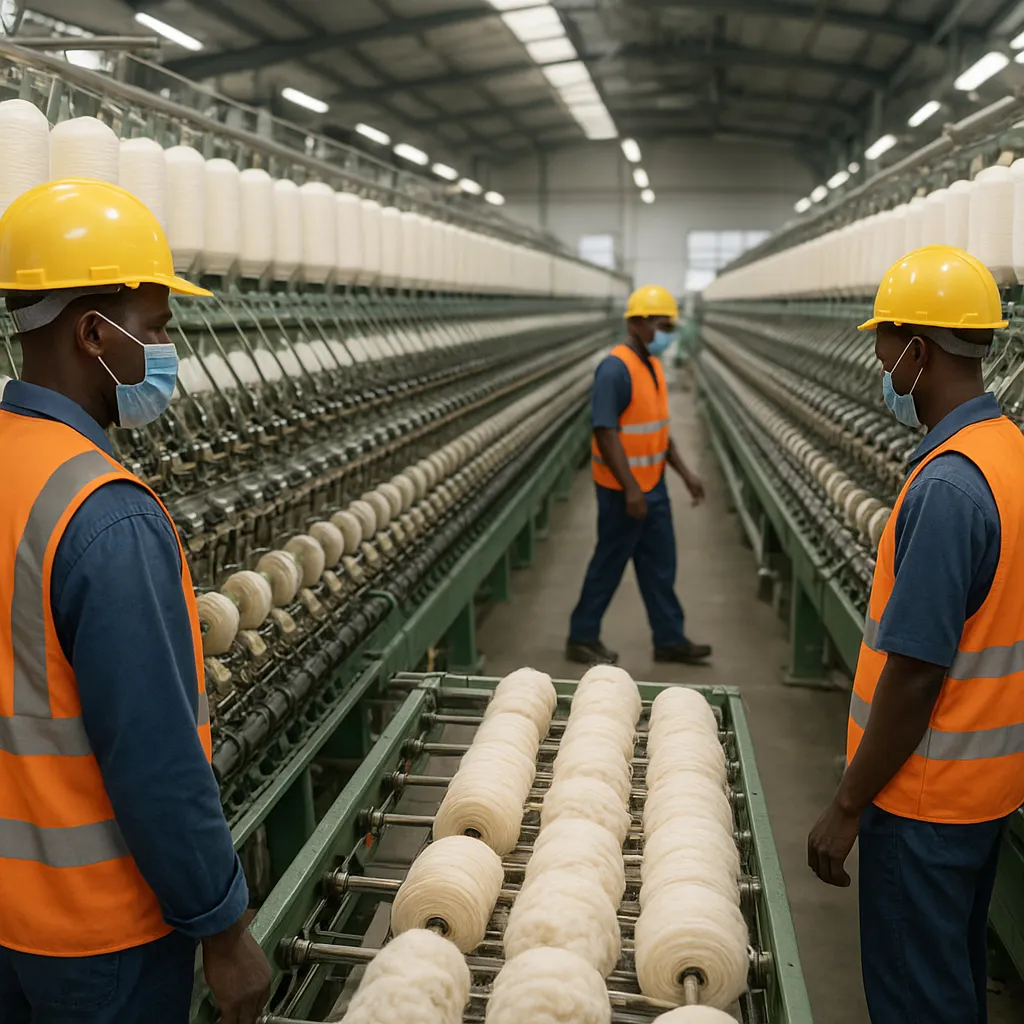
Africa stands at a crossroads. For decades, the continent has been a primary exporter of raw materials, sending its natural wealth abroad only to import finished goods at a premium. A new initiative, Africa Made It, is determined to change that narrative by championing a structural shift from raw commodity exports to local processing, manufacturing and monetisation. While its scope spans multiple sectors, its flagship campaign focuses on the fibre-to-fashion value chain, with cotton as the starting point.
The Cotton Paradox
An astonishing 37 of Africa’s 54 countries produce cotton. Yet the continent exports up to 98 percent of its raw cotton overseas, capturing less than 2 percent of the global cotton economy’s value. This imbalance results in an annual textile trade deficit of 35 billion US dollars. In essence, Africa grows the fibre but loses the fortune.
A Vision for Industrial Transformation
Africa Made It aims to unlock 34 billion US dollars in annual GDP contribution by transitioning from unprocessed raw cotton exports to end-to-end local garment processing. The roadmap is built on three pillars under the campaign banner “Power, Protect and Purchase”:
- Power: Securing competitive energy for local industrial mills.
- Protect: Enacting policy measures to shield emerging domestic manufacturers from unfair imports.
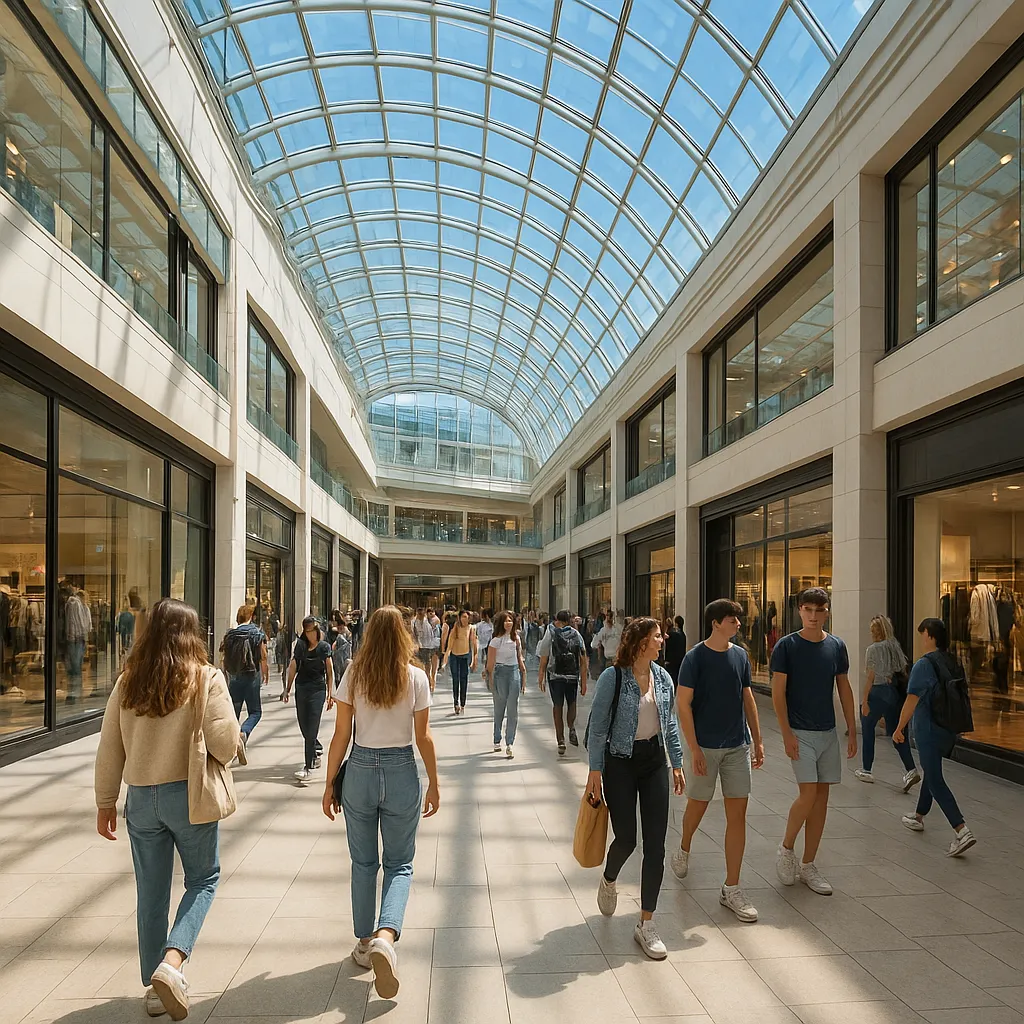
- Purchase: Rallying African consumers to buy locally manufactured apparel.
This strategy seeks to turn Africa’s vast natural wealth into sovereign, self-sustaining economic power, ensuring that the value created from African resources remains on the continent.
Jobs, Incomes and Human Impact
Building domestic processing capacity in spinning, weaving and sewing is not just about economics. According to estimates, this will sustain nearly two million permanent industrial jobs and inject approximately 33 billion US dollars directly into domestic household incomes every year. These figures highlight a massive macroeconomic upside, but the core value lies in human impact. Local cotton buying and industrial wages circulate capital within rural communities, driving local economic vitality and poverty reduction. Moreover, formal job creation will disproportionately benefit women, who make up 70 to 90 percent of the continent’s garment manufacturing workforce.
Culture, Creativity and Economic Return
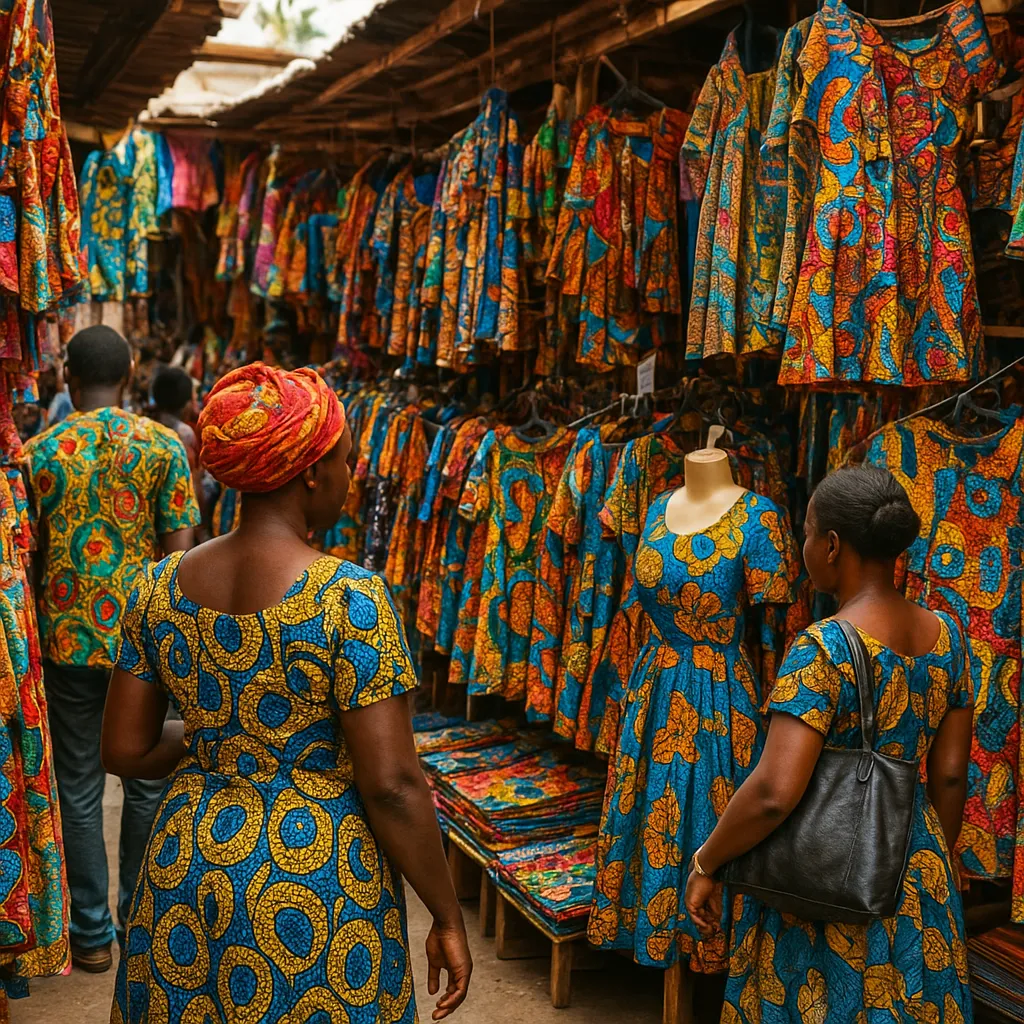
Marie Wilke, editor-in-chief of the Africa Made It magazine, captures the spirit of the movement: “African culture, design, and storytelling influence global fashion, music and media like never before. Yet, without domestic manufacturing infrastructure, Africa’s creative authority yields very little economic return. Linking raw cotton harvest directly to local processing ensures that the intellectual property, commercial margins and industrial jobs remain on the continent. It is time to wear our power.”
A Growing Coalition
The movement is backed by leading pan-African organisations, advocacy groups and media, including Afreximbank, Africa Practice, AllAfrica Media, Africa24, Africa No Filter, Bird Story Agency, IC Publications, AKAS Consulting and Research Alpha. Africa Made It was officially launched during the CANEX (Creative Africa Nexus) weekend in Lagos, Nigeria, held from 5th to 8th November 2026.
The Road Ahead
The transition from raw cotton exporter to garment manufacturer is ambitious but achievable. It requires investment in infrastructure, supportive policies and a shift in consumer behaviour. By wearing locally made clothes, Africans can drive demand and create a virtuous cycle of growth. The potential is enormous: a thriving textile industry that creates jobs, boosts incomes and keeps Africa’s creative and economic power where it belongs.
Africa Made It is more than a campaign; it is a call to action. It is about wearing our power and ensuring that the fibre of Africa’s future is woven at home.